
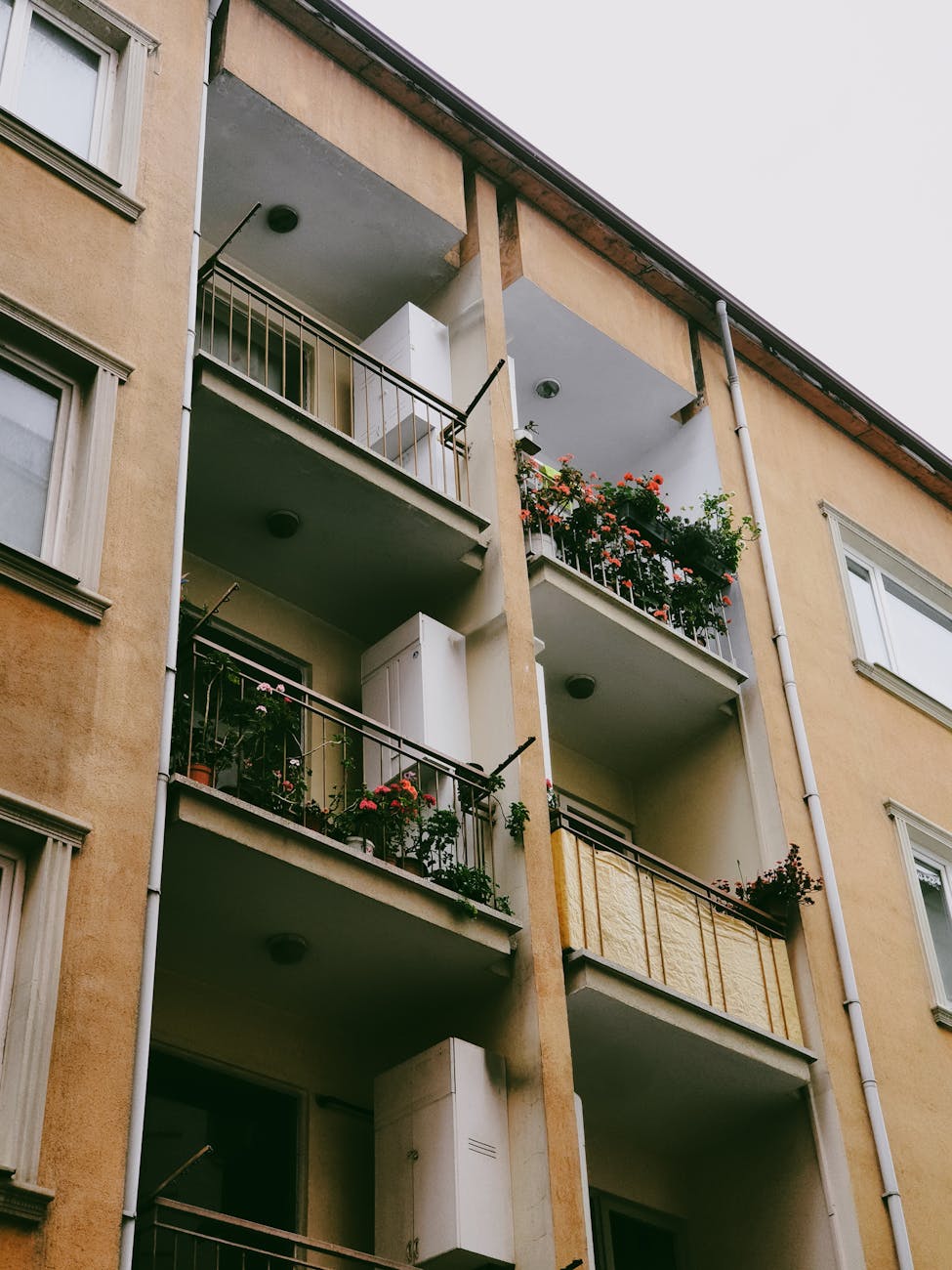
Maximizing Vertical Space: The Geometry of Balcony Gardening
The challenge of urban gardening isn’t about having unlimited space; it’s about re-evaluating the dimensions you possess. When confined to a balcony, the strategy shifts immediately from horizontal spreading to vertical ascension. This shift fundamentally alters how we approach plant placement and system design. We are no longer simply filling a flat area; we are engineering a three-dimensional ecosystem. Successful vertical gardening balcony setups depend on understanding weight distribution, water runoff, and structural integrity. It requires moving beyond simple container stacking toward integrated architectural solutions.
Deconstructing Balcony Constraints and Opportunities
A balcony presents a unique set of constraints. Walls offer potential for support but limit the footprint available for heavy structures. Railings, often seen as mere barriers, become critical infrastructure when leveraged correctly. The interplay between these physical boundaries and the desire for lush greenery dictates the appropriate methods. We must analyze the load-bearing capacity of the balcony itself before introducing significant weight—especially saturated soil and water-heavy containers.
Consider the railing system. While aesthetically pleasing, many railings offer minimal functional utility for gardening. This is where creative adaptation steps in. Instead of viewing the railing as an obstruction, see it as a potential trellis, a support beam, or a substrate for climbing plants. This analytical perspective unlocks solutions that look intentionally designed rather than merely placed.
Pallet Systems: Rustic Meets Robust Gardening
The repurposed wooden pallet emerges as a highly effective starting point for many balcony projects. These materials offer readily available, untreated wood, which appeals to the rustic aesthetic favored in urban settings. The mechanism here relies on transforming discarded material into functional shelving and planting platforms.
When utilizing pallets for vertical gardening balcony systems, attention must be paid to the wood treatment. Exposure to the elements means that rot is a significant threat over time. Treating the wood properly—using non-toxic sealants or appropriate treatments—is not optional; it is a necessary maintenance protocol. Furthermore, ensuring the pallets are structurally sound and can bear the weight of saturated potting mix requires careful assessment of the slat spacing and joist integrity.
A common pitfall involves simply stacking wooden planks. A more sophisticated approach involves building interlocking or cantilevered systems where the wood itself forms the support structure for the plants, rather than just being a passive container. This transforms the pallet from mere lumber into an active gardening framework. Think about how water drains down these constructed layers. Poor drainage leads directly to root rot, which is an inevitable consequence if the system fails at the foundational level.
Harnessing Railings: From Barrier to Botanical Support
The balcony railing presents another major opportunity for vertical expansion. The geometry of the railing—its height, material, and mounting method—must inform the choice of planting medium. For railings, the focus shifts to creating systems that adhere securely while maximizing surface area for cultivation.
Trellises fashioned from wooden slats or wire mesh are excellent intermediate steps. They provide a semi-permeable barrier against wind while offering ample vertical real estate. The key is anchoring these supports securely into the balcony structure. Ignoring proper fastening protocols invites serious safety hazards, which must always supersede aesthetic goals.
Another approach involves utilizing the space between the railing and the main wall. This narrow band of space can be exploited using hanging planters or modular shelving units that utilize the railing as an external guide rail. These systems allow for a dense planting strategy where each container contributes to the overall green effect. The design must account for wind loading; lightweight, well-secured planters perform better than heavy, cantilevered structures near the edge.
Layering Techniques: Building Depth in Shallow Spaces
Because balcony depth is inherently limited, layering techniques become paramount to maximizing yield per square foot. This involves stacking different types of plants at varying levels to create a multi-tiered environment. The goal is to utilize vertical planes rather than just floor space.
Consider the bottom tier for moisture-loving herbs like mint or lettuce. Mid-levels can accommodate medium-sized trailing vegetables or cascading vines. Higher tiers, often supported by custom-built shelving integrated into the wall structure, are ideal for sun-loving succulents or climbing beans that require more vertical reach. This stratification manages water retention and light exposure effectively across the entire system.
When selecting your growing substrate, the quality of the medium directly impacts the plant’s ability to thrive in these constrained spaces. Using poor-quality soil will cause root systems to struggle against density and limited aeration. Understanding the composition is vital for long-term success. For instance, ensuring adequate drainage capacity prevents the suffocating conditions that lead to fungal diseases. Reviewing guidance on substrates like Potting Mix Guide: Choosing the Best Soil for Urban Gardens can inform your initial material selection immensely.
System Integration: Water Management and Aeration Protocols
The mechanics of a successful vertical gardening balcony depend entirely on managing water flow and ensuring sufficient air circulation throughout the dense arrangement. Water management dictates plant health, especially when containers are closely packed.
Implementing drip irrigation or self-watering reservoirs for vertical systems is highly recommended. Relying solely on top-watering risks uneven saturation; water tends to pool in lower tiers, leading to anaerobic conditions at the base of the pots. A well-designed system incorporates gravity where possible—allowing excess water to drain down through a central channel or tier before reaching the lowest level.
Aeration is equally critical. Dense planting restricts airflow, creating microclimates ripe for mold and mildew proliferation. Therefore, plant spacing must account for the root zones, ensuring that no leaf is suffocated by neighboring foliage. This requires careful measurement of pot diameters relative to the available space between supports. Observing how moisture moves through the structure—the process of hydrostatic pressure—is essential in designing these systems correctly.
Choosing the Right Materials for Longevity
The materials chosen must withstand constant exposure to sun, rain, and temperature fluctuations. Cheap, non-rated materials often fail prematurely, leading to costly replacements and environmental waste. Investing time in selecting durable supports and appropriate containers ensures the longevity of your gardening investment.
For metal supports or shelving, consider powder-coated options resistant to rust. For wooden elements, as discussed previously, proper sealing is paramount. Selecting high-quality, lightweight containers allows for greater flexibility in arrangement without overburdening the structure. The process of selecting materials should be viewed as an engineering assessment: what stresses will this structure endure? What environmental factors must it resist?
Ultimately, transforming a small balcony into a productive green space is an exercise in applied geometry and material science. By treating the railing and pallets not as limitations but as building blocks, and by rigorously managing the mechanics of water and air flow, any gardener can engineer a thriving, abundant vertical gardening balcony. Start planning your vertical vision now.
Tags: vertical gardening, balcony gardening, urban gardening, pallet gardening, balcony hacks, small space gardening, container gardening
Featured Image by Ece Ebrar TOYCU on Pexels.