
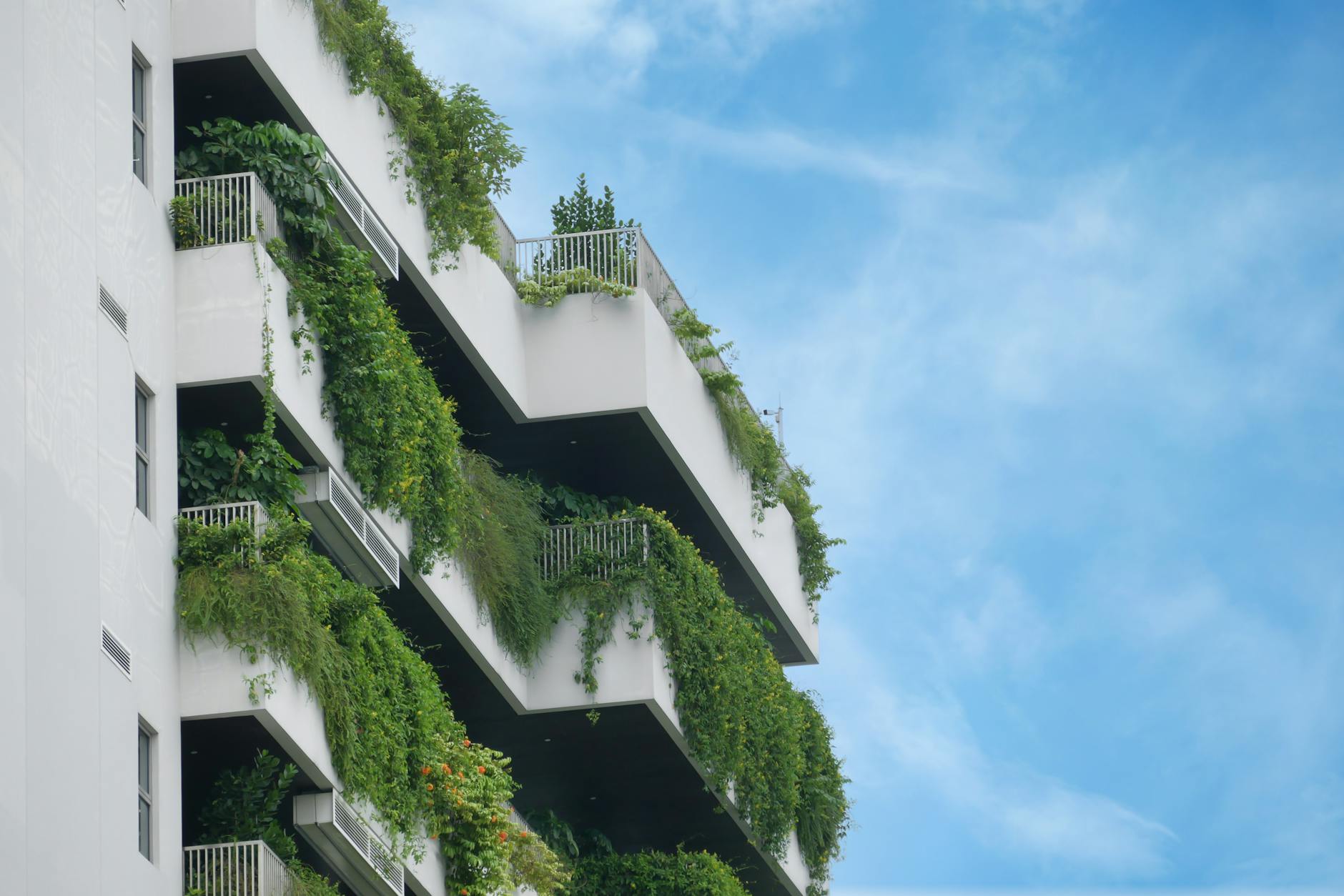
Transforming Limited Space with Vertical Gardening Systems
When space becomes a premium commodity in an urban setting, the solution lies not in expanding your footprint, but in reallocating it vertically. Vertical gardening urban systems are the engineering response to this constraint. They move cultivation away from the limited horizontal plane of a balcony or a small wall into the three-dimensional realm, effectively multiplying your growing potential without demanding extra square footage. This approach is fundamentally about maximizing surface area exposure for plant life, which directly impacts yield and biodiversity within tight city environments.
The appeal is immediate: you are no longer constrained by the floor plan. Think of an overlooked exterior wall or a narrow balcony railing. These previously inert surfaces suddenly become active growing media. We are taking passive space and making it productive. This isn’t just aesthetics; it’s applied horticulture, utilizing gravity and structural support to create tiered ecosystems right outside your door.
Understanding the Mechanics of Vertical Systems
A successful vertical setup relies on understanding how water, roots, and light interact in a stacked system. It is an exercise in managing hydrology across multiple levels simultaneously. The core mechanism involves creating pockets where substrate can hold moisture, ensuring that each plant receives adequate hydration, regardless of its position relative to the water source.
Different systems employ different structural approaches. Some rely on modular shelving, while others integrate directly into the architecture. The key consideration for any system is weight distribution and drainage. A poorly engineered vertical setup risks saturation or failure over time. You must assess the load-bearing capacity of your wall or balcony before affixing heavy planters or soil-filled modules.
Consider the material choice. Lightweight, durable materials allow you to layer more plants without overburdening the structure. Metal grids, reclaimed wood slats, and sturdy recycled plastic containers offer viable starting points for these installations. The system must support the weight of the saturated soil and the water retention capabilities of the growing medium itself. This necessitates careful attention to the foundational stability.
Selecting the Right Structure for Your Walls and Balconies
The choice of vertical structure dictates what you can grow and how easily you can maintain it. A simple, sturdy framework is essential. For balconies, where weight limits might be stricter, consider tiered hanging systems or pocket planters attached securely to railings. These solutions prioritize accessibility while minimizing the physical intrusion into the space below.
For exterior walls, the options expand dramatically. Trellises, pallet gardens turned vertically, or custom-built wooden frames allow for deep, vertical planting beds. The structure itself becomes part of the aesthetic design. Think about the visual impact; a well-designed wall garden enhances the urban landscape far more than a haphazard collection of pots.
When designing your framework, always factor in access. You need to be able to reach the plants for watering, pruning, and harvesting without excessive climbing or risk. This often leads gardeners toward systems where plants are spaced appropriately on vertical planes, rather than relying solely on reaching over them. The interplay between plant health and physical access is a critical balancing act in vertical gardening urban design.
Optimizing Growing Media: The Foundation of Vertical Success
The medium you choose for vertical gardening cannot be the same as what you use for in-ground beds. Because water management is intensified in stacked systems, the substrate needs to be exceptionally light and aerated. Heavy, dense soil compacts easily when stacked, leading to root suffocation and poor drainage—a recipe for failure in container setups.
This is where understanding your growing medium becomes paramount. You need a mix that balances water retention with superior aeration. When selecting your base material, look closely at the components. A good substrate allows roots to breathe while still holding necessary moisture. Referencing guides on soil selection is essential; understanding the composition ensures that nutrient delivery remains efficient across all levels of your vertical structure. For instance, ensuring proper drainage prevents the lower tiers from becoming waterlogged, which can cause root rot in the upper tiers.
When planning the substrate mix, prioritize materials that promote airflow between the growing roots. This often involves incorporating materials like perlite or coarse sand alongside organic matter to ensure porosity. Poor soil choice negates the physical advantage of vertical space. Remember, the health of your plants is directly dependent on the quality of the medium they inhabit.
Plant Selection for Vertical Density
The constraint of vertical gardening means selecting plants that thrive in shallower, often more exposed conditions. You must choose species appropriate for the light exposure and root volume limitations inherent in container or wall systems. Avoid deep-rooted, sprawling plants if your structure is shallow. Focus instead on vines, trailing edibles, herbs, and shallow-rooted greens.
For example, leafy greens like lettuce or spinach perform exceptionally well when trained vertically because their growth habit naturally follows the vertical plane. Herbs such as basil, mint, and thyme thrive in this setup, offering immediate culinary rewards. Succulents and certain trailing flowering plants also adapt well to the semi-exposed environment provided by a wall system.
The density of planting must be calculated against the available light exposure at each level. A sun-loving plant needs a different placement than a shade-tolerant one. Observe how the sun moves across your balcony or wall throughout the day. This observation dictates which plants will flourish and which will become leggy or sparse. Successful vertical gardening urban is about strategic placement, ensuring that every tier receives the specific environmental conditions required by its inhabitants.
Water Management: The Unsung Hero of Vertical Systems
Watering vertical gardens presents a unique logistical challenge. Since water flows downward, managing irrigation requires a thoughtful strategy to prevent overwatering some sections while keeping others appropriately moist. Inconsistent watering leads to stress, and plant systems react poorly to such variability.
Implementing a drip-feed or self-watering reservoir system is highly recommended for complex setups. This allows you to manage hydration precisely at the source, ensuring that water is distributed evenly across all levels rather than relying on manual top-ups at every tier. This process minimizes waste and maximizes plant health by establishing a consistent moisture profile throughout the entire structure.
When using containers or modular systems, understanding how water drains from the uppermost layer into the layer below is critical. You must establish a clear hierarchy of drainage. If you are utilizing an integrated system where water flows down through channels, ensure these channels are clear to prevent stagnation. Think about the rate at which water moves; this rate dictates your watering schedule and reservoir design.
Maintenance Protocols for Long-Term Urban Growth
Establishing the initial setup is only the first phase. Maintaining a thriving vertical gardening urban space requires consistent, targeted attention. Because the plants are exposed and often share resources in close proximity, monitoring for pests becomes an immediate priority. Proactive inspection catches issues before they escalate into widespread infestations.
Regularly check the substrate moisture, paying special attention to the areas that receive the most direct sun or experience the driest conditions. As you manage the water flow, you will notice subtle differences in how quickly different layers dry out, prompting necessary adjustments to your irrigation routine. Pruning is also an ongoing process; removing older growth encourages bushier, more productive foliage, allowing light penetration deeper into the plant mass.
By treating the vertical garden as a living, interconnected system, rather than a collection of separate pots, you shift from simple gardening to ecological management. Observing the interdependence—how one layer’s moisture affects the next—is the mark of an experienced urban cultivator. This perspective transforms a simple balcony or wall into a dynamic, productive extension of your home life.
Tags: vertical gardening, urban gardening, balcony gardening, wall planters, small space gardening, container gardening, apartment gardening
Featured Image by Towfiqu barbhuiya on Pexels.