
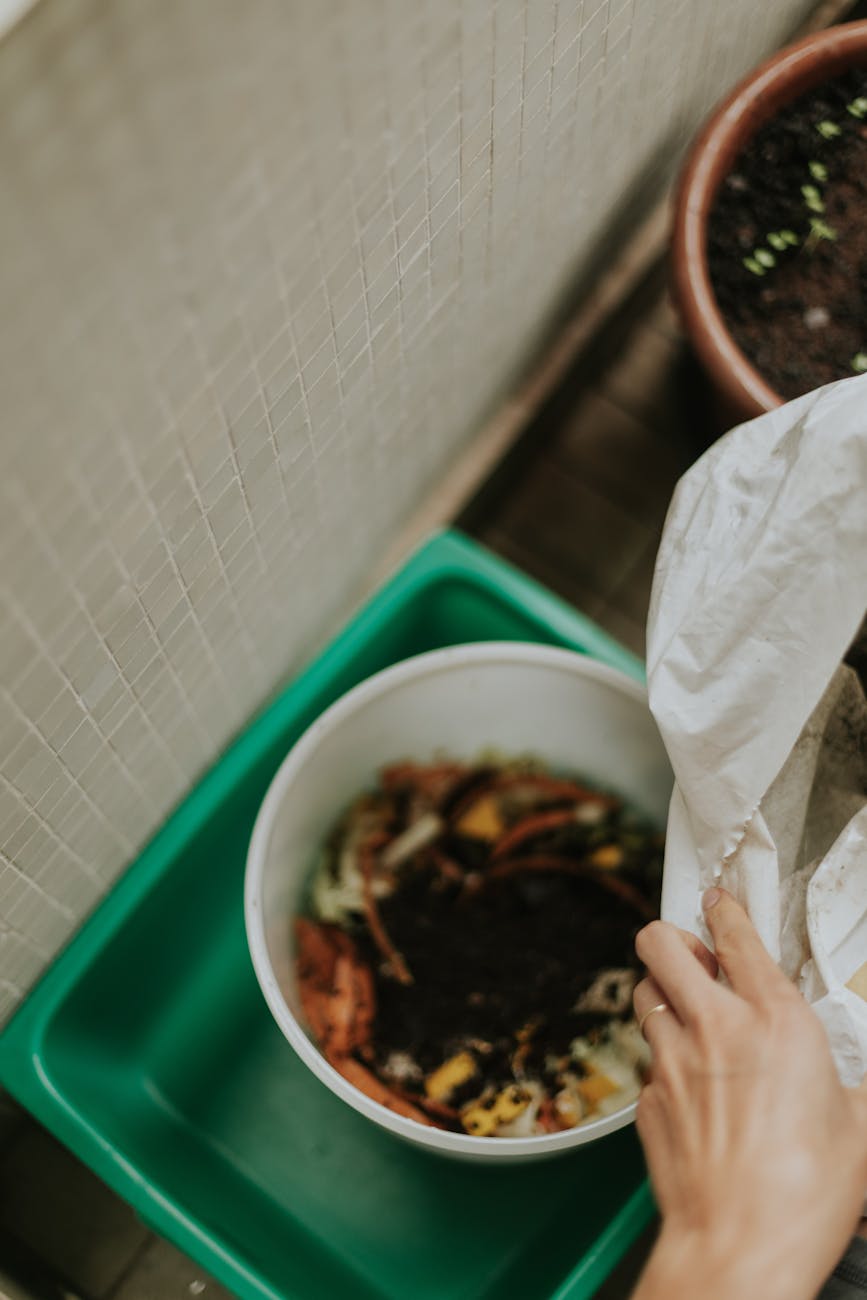
Decoding the Science of Worm Bin Moisture and Aeration
Setting up a worm bin—whether it’s a simple plastic container or a more elaborate vermicomposting system—is the first step toward creating nutrient-rich soil from kitchen scraps. But simply piling food in won’t yield the best results. The true magic lies in managing two critical physical parameters: moisture content and aeration. These aren’t just arbitrary rules; they dictate the microbial activity inside your bin, directly influencing the rate at which your organic waste breaks down into valuable compost. Understanding worm bin moisture aeration is understanding the ecosystem you are cultivating.
The Critical Role of Moisture Content in Vermicomposting
Moisture acts as the lifeblood for the composting worms and the bacteria that feast upon the food scraps. Too little water creates a dense, anaerobic environment where decomposition slows to a near halt. This suffocates the beneficial microorganisms, causing them to starve and slowing down the conversion process significantly. Conversely, excessive moisture introduces severe problems. When the bedding becomes saturated, it shifts from an ideal, fluffy habitat into a soggy, slimy mess. This excess water encourages the growth of undesirable anaerobic bacteria and fungi, which can lead to foul odors and pest issues within your urban garden setup.
The ideal moisture level for a healthy worm bin is akin to a wrung-out sponge. When you squeeze a handful of the bedding, only a few drops of water should emerge. This balance ensures that the organic matter is accessible for microbial action without becoming waterlogged. Monitoring this visually and by touch is essential for success. If you notice the bedding is constantly dripping or smells sour, immediately adjust your moisture level by adding dry, shredded cardboard or peat moss to absorb the excess.
Aeration: Breathing Room for Decomposition
Aeration, or the introduction of oxygen into the composting environment, is arguably as important as water management. Worms, and the vast colonies of bacteria living in their digestive tracts, are aerobic organisms. They require oxygen to efficiently break down complex organic materials. When moisture levels are too high—as discussed above—the soil becomes saturated with water, displacing the air pockets necessary for oxygen exchange. This lack of airflow creates anaerobic conditions, which promote the growth of harmful, smelly bacteria instead of the desired, efficient composting microbes.
Think about your bin as a living, breathing system. If you seal it up tightly, the process suffocates. Introducing ample, consistent air flow allows aerobic bacteria to thrive, speeding up the decomposition rate exponentially. For urban gardeners dealing with limited space, ensuring proper aeration prevents the slow, stagnant decay that plagues poorly managed piles. This principle extends beyond worm bins; it applies equally to other small-scale composting efforts. Remember, if you are concerned about fungal growth or mold development in your setup, focusing on good airflow is a primary defense against those issues. Read up on Fungus Mold Control in Small Urban Gardens to see how environmental management directly impacts microbial health.
Establishing the Perfect Bedding: The Foundation for Success
The materials you use to create your worm bin bedding profoundly affect both moisture retention and aeration. A successful system relies on a substrate that balances these two needs perfectly. Shredded newspaper, plain cardboard, or shredded corrugated cardboard are excellent starting points because they offer good structure and absorb moisture well.
When adding these materials, ensure they are dry before introducing the food scraps. Damp bedding will hold moisture unevenly and can lead to compaction when worms move through it. A good practice is to layer in a base material first—perhaps some coarse wood shavings or dry coconut coir if you are using a larger bin—before layering your chosen bedding over it. This layered approach creates a porous matrix that facilitates air circulation from the bottom up, ensuring every worm has access to breathable space while managing moisture effectively.
Practical Techniques for Optimizing Worm Bin Moisture and Aeration
Achieving the optimal state requires consistent, proactive management rather than reactive fixing. Here are concrete strategies you can implement daily or weekly to maintain peak performance in your urban composting efforts.
Managing Water Input
The key here is controlled addition. Never simply pour water into a wet bin; that’s an invitation for disaster. When adding new food scraps, consider how much moisture they introduce. If you are feeding the worms moist vegetable peels, try to balance this by ensuring the bedding itself is relatively dry before introducing the food. A good rule of thumb is to let the bedding settle and dry slightly between heavy feeding sessions. If your bedding seems excessively wet, gently remove some of the soggy material and replace it with dry, shredded paper or cardboard to absorb the excess liquid. This continuous adjustment keeps the environment stable.
Ensuring Consistent Airflow
Aeration in a worm bin is often passive but can be enhanced actively. While you generally do not need mechanical fans for small bins, ensuring the bin is not packed too tightly allows natural convection currents to move air throughout the bed. Avoid piling the bedding so densely that the worms are forced into constricted pathways. Allowing space between layers permits oxygen exchange across the entire volume of compost material. Think about vertical setups, such as using Vertical Gardening: Maximize Yield on Small Balconies and Walls to visualize how maximizing surface area can also contribute to better air circulation in smaller, contained systems.
Observing Worm Behavior as a Diagnostic Tool
The worms themselves provide the best feedback on the bin’s health. Healthy, active worms will move freely throughout the bedding, actively foraging and turning the material. If you observe worms congregating in one overly wet or densely packed area, it signals an imbalance in moisture or compaction that needs immediate correction with drier, fluffier bedding. Stagnant worms or signs of distress are clear indicators that aeration or moisture levels have fallen out of sync with their biological needs.
Troubleshooting Common Moisture and Aeration Issues
When things go wrong, diagnosing the source is crucial. Foul smells are almost always a sign of anaerobic conditions—lack of oxygen caused by excess water. This means you need to dry the bin out immediately and introduce more bedding. If mold appears, it is often a symptom of too much stagnant moisture combined with poor airflow allowing fungal spores to take hold.
If your compost seems sluggish despite adequate moisture, the issue is likely insufficient aeration. The decomposition process stalls without sufficient oxygen, meaning the worms are working less efficiently. In these scenarios, focus on loosening the bedding and ensuring there is enough space for air to penetrate deeply into the material. Remember, optimizing these two factors—moisture control and aeration management—is the secret sauce that separates a stagnant pile from a vibrant, thriving urban composting system.
Tags: worm composting, urban gardening, composting tips, worm bin, soil health, aeration, moisture control
Featured Image by Letícia Alvares on Pexels.