
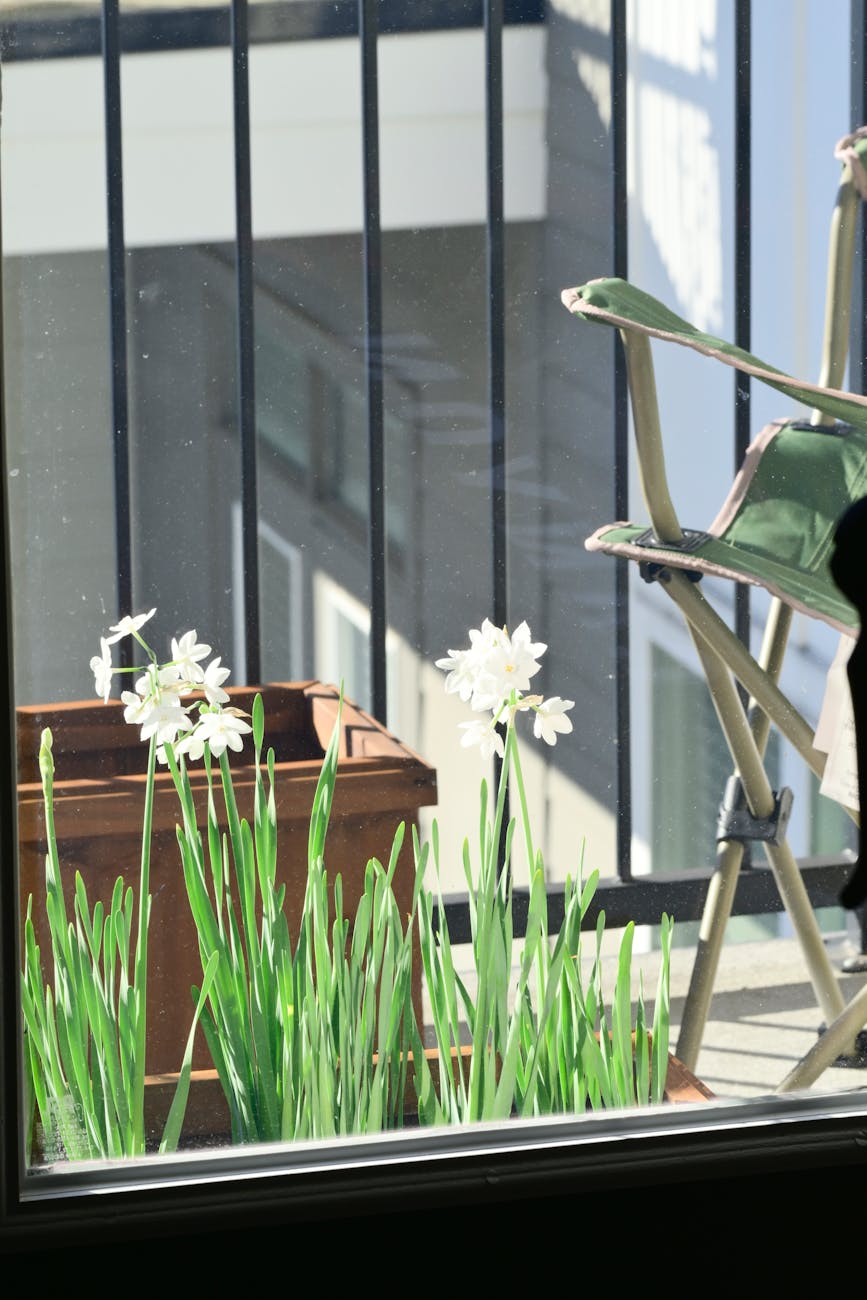
Mastering Container Gardening Small Spaces for Urban Yields
The reality of modern urban living often dictates that gardening is constrained to narrow ledges and limited footprints. We observe a persistent desire to cultivate fresh produce, even when square footage is minimal. This necessity drives the focus onto container gardening small spaces, transforming overlooked balcony or patio areas into productive ecosystems. Maximizing yield in these confined environments requires moving beyond simple planting; it demands an understanding of resource management and plant physiology tailored to restricted dimensions.
Optimizing Container Selection for Root Health
The vessel itself is not merely a decorative container; it functions as the primary interface between the plant roots and the substrate, directly influencing water retention and aeration. When selecting pots for urban settings, we must consider material density and drainage capacity rigorously. Terracotta, while aesthetically pleasing, exhibits high porosity, which can lead to rapid moisture loss in hot climates, demanding more frequent irrigation cycles from the gardener. Conversely, high-density plastic or glazed ceramic offers superior thermal buffering and retention capabilities, allowing roots a more stable environment.
The critical mechanism here is drainage geometry. Poorly designed containers create saturated soil pockets where anaerobic conditions develop, actively suffocating the root system and promoting fungal proliferation. We must engineer systems where excess water can exit freely, preventing root rot, which remains one of the most common failure points in container gardening small spaces. Always ensure every vessel possesses adequate, unobstructed weep holes to facilitate this essential drainage process efficiently.
Substrate Science: The Foundation of Container Success
The potting medium dictates nutrient availability and water dynamics far more than the container material itself. Generic garden soil, designed for deep-rooted perennials, is unsuitable for containers because it compacts easily, impeding gas exchange necessary for root respiration. We observe that success hinges on utilizing a lightweight, highly porous mix specifically engineered for container environments.
Choosing the correct medium directly impacts nutrient delivery kinetics. A well-formulated potting mix provides the necessary balance of water holding capacity and aeration channels. For instance, incorporating materials like perlite or coarse sand increases porosity, which allows for superior oxygen diffusion to the roots—a non-negotiable requirement for vigorous growth. When formulating your substrate, we must analyze the intended crop; tomatoes require deeper, more nutrient-rich mixes than herbs needing lighter, faster-draining compositions. Understanding this relationship between soil structure and root function is central to maximizing yields in small urban spaces. For detailed specifications on this crucial component, consult our guide on Potting Mix Guide: Choosing the Best Soil for Urban Gardens.
Strategic Planting Density and Vertical Integration
With limited horizontal real estate, vertical space becomes an active resource rather than a passive constraint. We must transition from a purely two-dimensional approach to an integrated three-dimensional system. This involves implementing vertical gardening techniques that leverage wall space or railings effectively. Consider systems designed for maximizing surface area, such as utilizing hanging planters or vertical shelving units, which allow plants to compete for light and air without encroaching on floor space.
Vertical growth strategies inherently increase the potential yield per square meter dramatically. When designing these systems, we must account for light exposure. Plants requiring intense direct sunlight should be positioned where they receive the maximum solar exposure throughout the day. Observing how vines or cascading plants utilize vertical planes demonstrates an efficient use of ambient light that flat horizontal beds often miss. This concept expands beyond simple container placement; it involves architecting the growing environment itself. For inspiration on maximizing vertical surfaces, explore concepts like Vertical Wonders: Flower Displays on Walls and Fences.
Water Management: The Mechanics of Efficient Hydration
In container gardening small spaces, water is the most volatile variable requiring precise management. Evapotranspiration rates accelerate rapidly when plants are exposed to intense midday sun and wind, meaning a container can dry out significantly faster than an in-ground plant. Our analysis shows that inconsistent watering protocols lead directly to stunted growth or stress, regardless of how rich the soil composition is.
Implementing efficient water delivery systems is paramount for maintaining consistent moisture levels. Self-watering containers, where feasible, mitigate the risk of over- and under-watering by creating a buffered reservoir below the root zone. If using traditional containers, monitoring soil moisture tension—the physical force holding water in the soil—provides a more accurate reading than simple visual inspection. We need to establish thresholds for when irrigation is necessary based on substrate type and ambient temperature; this moves us from reactive watering to proactive horticultural control.
Nutrient Delivery: Feeding High-Yield Systems
Container plants deplete soil nutrients at a rate accelerated by continuous watering, necessitating a tailored feeding strategy. Since the volume of soil remains finite, nutrient depletion occurs faster than in larger plots. This demands the use of soluble fertilizers designed for consistent, controlled release directly into the root zone. Over-fertilization, especially with high-nitrogen formulas, can lead to lush, weak foliage that is highly susceptible to pests and disease development.
We must approach fertilization as a measured process. Start with a balanced, slow-release granular source incorporated at planting time. Supplement this with liquid feeds applied according to the plant’s growth stage. Observing nutrient uptake in these confined systems reveals that plants respond optimally when fed incrementally rather than saturated with concentrated inputs. This careful calibration ensures that the energy allocated goes toward biomass production, directly translating into higher yields from every small container space available.
Pest and Disease Mitigation in Confined Environments
The close proximity of plants in container gardening small spaces increases the potential for rapid pest transmission. When plant density is high, airflow is often restricted, creating microclimates conducive to fungal infections like powdery mildew or bacterial blight. Proactive monitoring becomes an essential operational step. Regular visual inspection allows for early intervention before infestations become systemic problems requiring harsh chemical treatments.
Understanding the ecological balance within a small container is key. Introducing beneficial insects or employing preventative measures based on habitat management helps maintain ecosystem stability. By ensuring excellent air circulation and proper drainage, we reduce the environmental pressures that invite pest proliferation in these dense settings. This hands-on management reinforces the principle that successful urban cultivation relies not just on what you put in the pot, but how you manage the immediate micro-environment surrounding it.
Tags: container gardening, small space gardening, balcony gardening, urban gardening, container gardening tips, balcony yields, container gardening small spaces
Featured Image by Yuqi Chen on Pexels.