
Decoding the Visual Language of Urban Garden Pests
When establishing a small urban garden, success hinges not just on planting seeds, but on understanding the dynamic ecological pressures present in the immediate environment. Pests are an unavoidable component of this interaction; they are biological entities that interact with your plants, and recognizing them accurately is the crucial first step toward managing them effectively. We observe from the data that delayed identification results in escalating infestation levels, forcing reactive, often harsh treatments later on. Therefore, developing a system for precise urban garden pest identification moves beyond simple recognition; it becomes an exercise in ecological diagnosis.
Recognizing Common Foliage and Insect Signatures
The key to effective management lies in observing the specific morphological characteristics of the pests against the target plant. Different insects, mites, and fungal issues leave distinct signatures on the foliage, stems, and soil surface. We must train our visual system to categorize these subtle differences systematically.
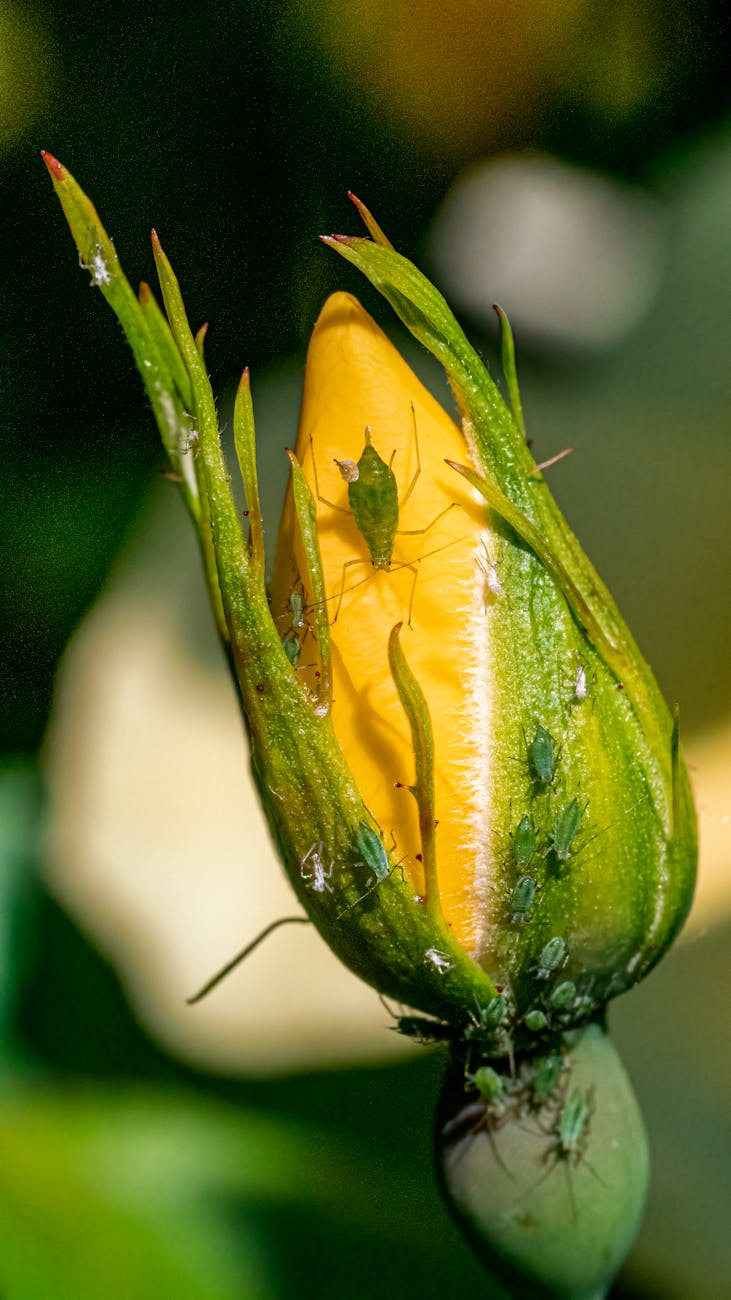
Aphids present a classic example. They congregate in dense clusters, typically found on the undersides of leaves or along new growth. Their presence is signaled by a sticky, sugary excretion known as honeydew, which often leads to the secondary proliferation of sooty mold on the leaf surface. If you see this concentrated feeding pattern, you are likely dealing with aphids, and immediate intervention targeting their population density is warranted.
Spider mites present a more elusive challenge. These microscopic arachnids do not leave the obvious clusters seen with larger insects. Instead, they cause fine, silvery stippling or webbing on the leaves, particularly visible under magnification. This damage manifests as minute disruptions in the plant’s photosynthetic capacity. The presence of fine webbing across leaf surfaces is a strong indicator that these small hunters are active within the canopy.
Caterpillars and beetles reveal themselves through feeding damage patterns. Larval damage from caterpillars often results in large, irregular holes or chewed-up sections of leaves where the feeding has been most intense. Beetle activity, conversely, often involves chewing along stems or creating distinct frass piles (insect excrement) near the base of the plant. Analyzing the shape and size of the damage allows us to narrow down the potential culprit significantly.
Distinguishing Between Beneficial Insects and Detrimental Pests
Not every organism present in your garden poses a threat; many insects serve essential roles in maintaining ecological balance. Our analysis suggests that understanding this dichotomy is vital before initiating any control measures. Beneficial predators, such as ladybugs or lacewings, actively consume pest populations. Their presence signals a healthier micro-ecosystem where natural checks and balances are already functioning.
Conversely, pests like squash bugs or flea beetles cause direct tissue damage and reduce overall plant vigor. The distinction requires observing behavior alongside physical damage. A beneficial insect will be observed actively feeding on a pest, whereas a pest infestation involves the proliferation of harmful organisms without corresponding predatory activity from other insects. We need to assess the ratio of beneficial versus detrimental populations to gauge the garden’s overall health trajectory.
Identifying Fungal and Microbial Issues Through Visual Cues
Pest identification extends beyond mobile arthropods to include pathogenic fungi, which often present symptoms that mimic pest damage but require entirely different management protocols. Powdery mildew, for instance, manifests as a white, dusty coating across the leaves, obscuring the natural green color. This fungal growth thrives in stagnant, humid conditions common in dense urban plantings.
Rust diseases appear as orange or reddish-brown pustules on the leaf surface. These spots are often surrounded by raised, rough patches, indicating active fungal colonization. When diagnosing these issues, one must also evaluate ambient moisture levels, as fungal proliferation is intrinsically linked to excessive water retention in the soil and foliage. Understanding this relationship dictates whether a foliar spray or adjusting watering practices will achieve the desired remediation.
The Role of Context: Where Pests Thrive
The environment dictates which pests establish themselves and how aggressively they proliferate. Urban gardening environments present unique challenges; compacted soil, high density planting, and proximity to concrete influence pest dynamics considerably. When considering solutions for these specific contexts, one must factor in substrate quality. For example, poor soil structure can stress plants, making them more susceptible to infestation by generalist feeders.
Container gardening, a staple of small-space urban agriculture, introduces different variables. The interface between the pot material, the potting medium, and the plant roots creates a specific microhabitat. Understanding how pests interact with the root zone requires attention to the substrate itself; poor soil health directly impacts the plant’s ability to mount a defense response against external threats. Reviewing guides on proper substrate selection provides foundational knowledge for mitigating stress factors before pest outbreaks become endemic.
Implementing Visual Assessment Protocols
To move from mere observation to actionable management, we must establish consistent assessment protocols. This involves systematic scouting routines. Walk through the garden daily or every few days, focusing not just on the most visible plants but also on the undersides of leaves and areas where foliage density is highest. Systematically map the areas of infestation.
When identifying a specific pest type, document several features: the size of the damage, the distribution pattern, the presence of excretions, and any associated fungal symptoms. This documentation creates a reference library for future troubleshooting. Analyzing this visual data allows you to predict the life cycle stage of the pest and estimate the necessary response timeline. Recognizing that an infestation is a dynamic process, not a static event, demands continuous, careful observation.
Actionable Steps Based on Identification
Once the identification process is complete, the action phase becomes straightforward, focusing on targeted intervention rather than blanket application. If aphids are confirmed, mechanical removal or the application of insecticidal soap works effectively for localized control. If fungal growth is the primary issue, increasing air circulation by pruning dense foliage and ensuring good drainage addresses the environmental trigger directly.
For systemic issues related to nutrient deficiency, which can indirectly increase pest susceptibility, amending the soil becomes a crucial step. Applying appropriate soil amendments provides robust nutrition that strengthens plant defenses internally. When optimizing soil health through targeted amendments, you are fundamentally improving the plant’s resilience against external biological pressures. Maximizing yields requires ensuring the root system has the resources to fight off threats naturally. This holistic approach integrates pest control with foundational plant nutrition.
Tags: urban gardening, pest control, garden pests, visual diagnosis, small space gardening, garden management, urban gardening tips
Featured Image by Marian Florinel Condruz on Pexels.