
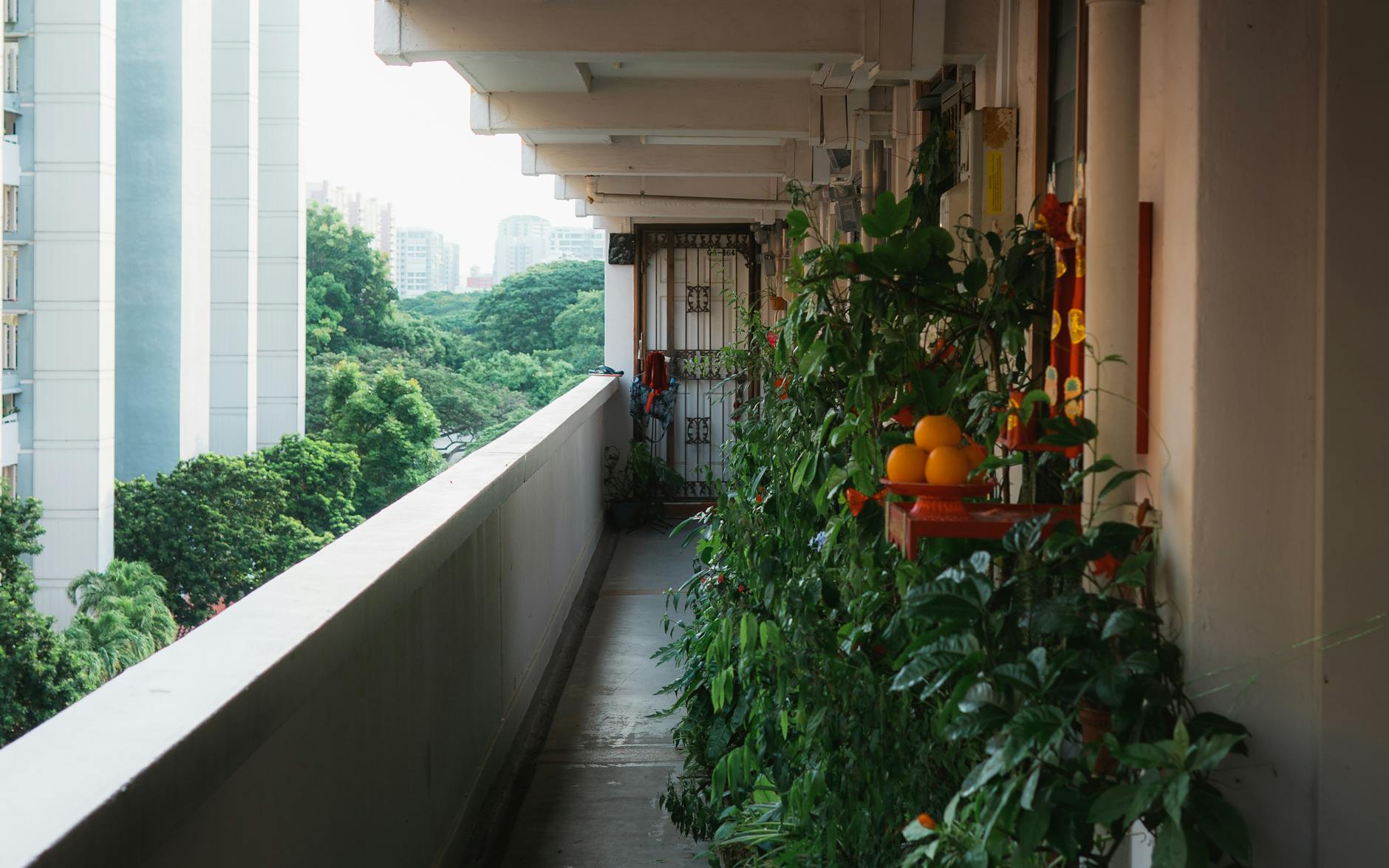
Engineering Density: Optimizing Space Through Vertical Vegetable Gardening
The constraint of limited square footage in urban environments forces a fundamental shift in how we conceptualize cultivation. We stop viewing space as a flat plane and start treating it as a three-dimensional resource to be exploited. This perspective immediately brings the concept of vertical vegetable gardening to the forefront, transforming underutilized walls, railings, and vertical planes into productive growing surfaces. Observing how plants naturally seek light and resources, we see that stacking cultivation layers maximizes photosynthetic surface area per unit of floor space.
This method is not merely aesthetic; it is a mechanical solution to spatial scarcity. By moving cultivation vertically, we increase the density of edible biomass achievable in a confined footprint. Think about the implications for balcony gardeners or apartment dwellers; these systems allow for intensive production where horizontal gardening simply cannot compete. We are essentially engineering an efficient growing matrix.
The Mechanics of Vertical Stacking Systems
Implementing effective vertical gardening requires understanding the physics of plant growth and water distribution. The primary goal is to ensure that each tier receives adequate access to light and moisture without creating detrimental shading or root competition between levels. We observe that systems based on modular shelving, pocket systems, or tiered planters offer distinct advantages in managing these variables.
For instance, a vertical system necessitates careful consideration of substrate depth. Shallow containers support shallower roots, which is beneficial when using lighter growing media designed for container horticulture. Deeper systems allow for more robust root establishment, crucial for larger, fruiting vegetables like tomatoes or peppers. We must calculate the required volume versus the available wall space precisely before initiating construction.
When designing a hanging system, tension and weight become critical factors. The material used for support must possess sufficient tensile strength to bear the saturated weight of the soil and moisture, especially when factoring in seasonal variations in water retention. A failure in structural integrity leads directly to crop loss, an outcome we seek to avoid through sound engineering practice.
Selecting Appropriate Vertical Techniques
There are several distinct methodologies employed in vertical vegetable gardening, each suited for different architectural constraints and desired crops. Choosing the right technique dictates the system’s long-term viability and ease of maintenance.
Pallet and Rail Systems: Utilizing Existing Infrastructure
Repurposing discarded materials presents an accessible entry point for many urban gardeners. Wooden pallets or simple metal railings offer readily available structural elements. The process involves securing these materials to create a framework upon which planters can be affixed or suspended. We analyze the load-bearing capacity of the chosen material against the weight of saturated soil and mature plant structures.
This approach demands careful assessment of drainage channels. Water management becomes paramount; any pooling water at the base of the structure will compromise the integrity of the supporting wood or metal over time. Proper runoff pathways must be integrated into the design, directing excess moisture away from structural supports.
Pocket and Panel Systems: Maximizing Surface Area
Pocket systems involve creating pockets or channels within a panel where individual plants are situated. This technique excels at maximizing the number of plants per linear foot of vertical space. The mechanism here relies on creating discrete growing zones separated by permeable barriers, allowing for independent root development.
Panel systems, often constructed from sturdy, weather-resistant materials, provide a more rigid structure. We see these methods performing well when growing vining crops where supportive tendrils can utilize the panel’s surface for climbing. The key observation is that maximizing the exposed surface area directly correlates with increased yield potential within the limited envelope.
Stacked Container Methods: Layering for Diverse Crops
The classic stacking method involves placing containers one upon another, creating a vertical farm effect. This layering strategy allows for crop diversity; one tier might host shallow-rooted herbs, while an upper tier accommodates deeper-rooted root vegetables. This stratification manages light exposure effectively, as lower plants receive more consistent ambient light, while upper plants must contend with potential self-shading.
We observe that successful stacking requires optimizing the size differential between tiers. A significant difference in container size ensures that resource competition is minimized between levels. This approach integrates well when attempting to grow a variety of plant types simultaneously within one small area.
Optimizing Cultivation Medium and Nutrition
The physical structure of the system only addresses spatial constraints; the biological success hinges on the medium and nutrient delivery. In confined vertical spaces, the substrate must function not just as a medium for anchorage but as an active reservoir for nutrients and water.
We move beyond simple potting soil when working vertically. The growing medium needs to possess excellent aeration properties to prevent root asphyxiation, which is a common failure point in densely packed systems. Incorporating materials like perlite or coarse vermiculite into the base substrate enhances porosity, allowing oxygen to reach the roots efficiently.
When utilizing nutrient-rich solutions, the delivery mechanism must be efficient. Vertical structures create unique challenges for passive water distribution. A drip system integrated within the vertical structure ensures that moisture is distributed evenly across all tiers without relying solely on gravity, which can lead to uneven saturation if not managed correctly. Understanding how water moves through the stacked layers informs the placement of irrigation points.
Considering soil health as a holistic process suggests exploring symbiotic methods for nutrient cycling. Systems integrating living compost, such as worm farming for urban soil compost, demonstrate how organic waste can be transformed into highly nutritious amendments suitable for container gardening. This approach closes the nutrient loop within the small urban ecosystem.
Light Management in Multi-Tiered Environments
Light is the energy input for photosynthesis, and manipulating it across multiple vertical planes requires analytical precision. In a vertical garden, light intensity naturally diminishes as distance from the primary light source increases, creating an inherent gradient that must be accounted for during crop selection.
Plants require specific photoperiods and light intensities to transition successfully from vegetative growth to flowering. We observe that positioning sun-loving crops on the uppermost tiers, where light exposure is most intense, optimizes their development. Conversely, shade-tolerant herbs or leafy greens can be placed lower down, benefiting from diffused light.
If supplemental lighting is introduced—for instance, using LED panels in indoor vertical setups—the energy density must be calculated relative to the photosynthetic needs of the specific vegetable being grown. Insufficient light intensity translates directly into reduced biomass production and lower nutritional density per square meter. This requires empirical testing against established plant growth curves.
Integrating Verticality with Companion Planting
The dense arrangement inherent in vertical vegetable gardening necessitates smart companion planting strategies. Since space is at a premium, maximizing the interaction between adjacent plants becomes an essential tactic for enhancing overall yield and pest resistance.
Placing certain crops together can create a microclimate beneficial to others through shared root exudates or light interception patterns. For example, positioning tall, dense plants next to shorter, sprawling ones can provide necessary structural support while allowing the smaller plants to thrive underneath the canopy. We must analyze how plant architecture influences resource competition directly on adjacent tiers.
This consideration extends beyond immediate neighbors. Introducing beneficial microbial life into the growing environment supports overall plant resilience. Systems that incorporate soil biology, like those fed by compost, foster a healthier root system capable of better managing water stress and absorbing nutrients efficiently throughout the vertical structure.
Future Trajectories in Urban Cultivation
The trend toward intensive small-space farming suggests an ongoing evolution in how we deploy growing technology. Future developments will likely focus on integrating smart sensor technology to monitor moisture, nutrient levels, and light exposure across different vertical strata simultaneously. This data-driven approach moves the practice from intuitive gardening to precise agricultural engineering.
As materials science advances, lighter, stronger, and more modular support structures will emerge, making complex vertical installations safer and more accessible for the average homeowner. The ability to scale production vertically means that small urban plots can transition from simple hobbies into genuinely productive, high-yield food sources. We are moving toward systems where density is not a constraint but a deliberate design parameter.
Tags: vertical gardening, urban gardening, small space gardening, vertical vegetables, container gardening, stacking systems, balcony gardening
Featured Image by William Gan on Pexels.