
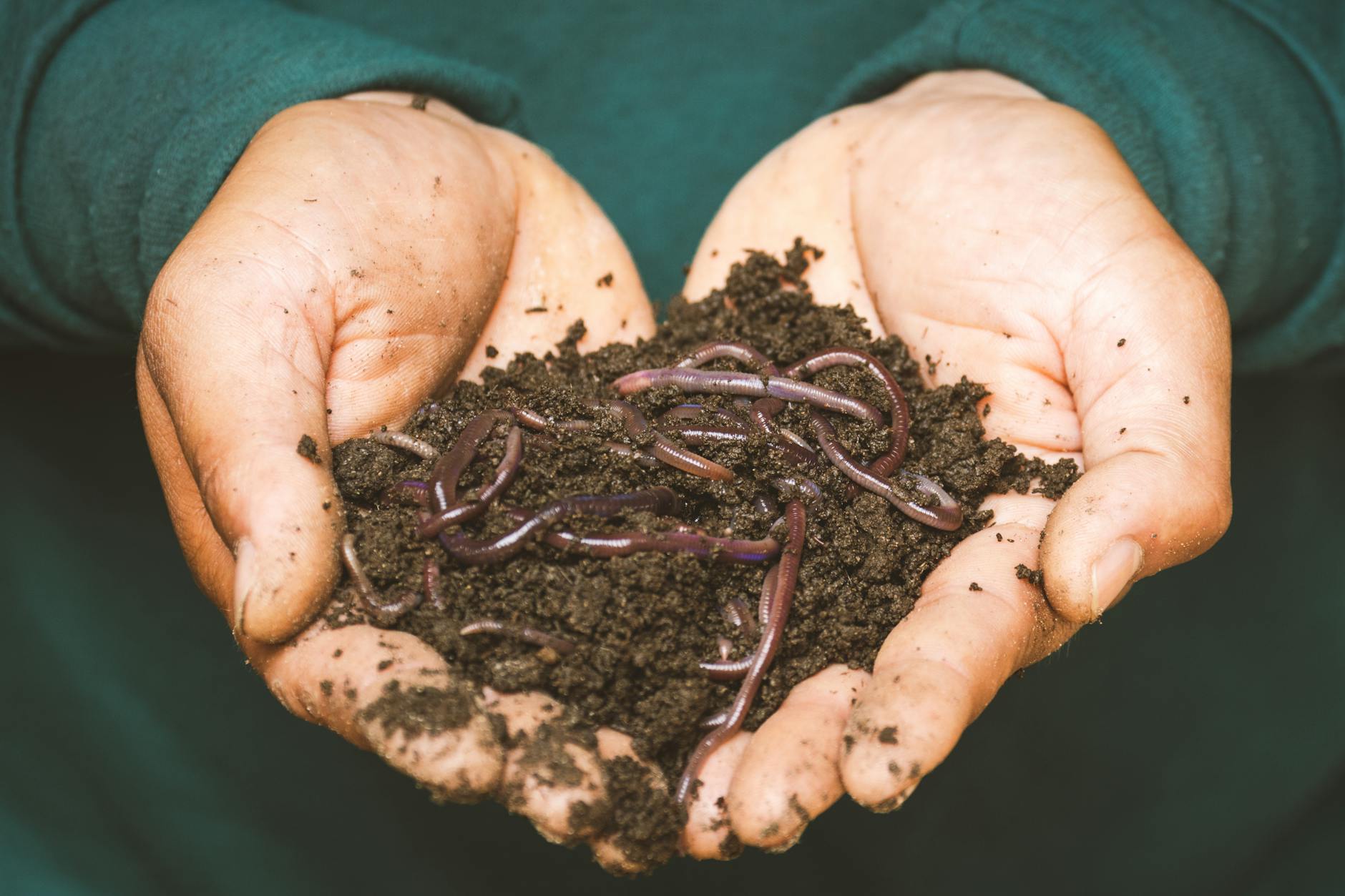
The Mechanics of Vermicomposting for Soil Enrichment
When we consider transforming household organic waste into viable soil amendment, we enter the realm of vermicomposting, a biological process executed by specialized earthworms. This system operates not merely as a way to dispose of waste; it functions as an intensive, accelerated decomposition mechanism that generates humus—a stable, nutrient-dense material essential for healthy plant life. We observe from the data that this process bypasses the slow, often incomplete breakdown that occurs in traditional composting piles by utilizing the highly efficient digestive enzymes produced by the worms.
The core mechanism involves establishing a controlled environment where organic matter is fed to specific worm species, typically Eisenia fetida or Eisenia andrei. These organisms ingest the raw materials, breaking down complex cellulose and lignin structures into simpler, more accessible organic compounds through symbiotic microbial action within their digestive tracts. This enzymatic breakdown accelerates the mineralization process significantly. The resulting castings, or worm manure, are not simply composted material; they represent a highly concentrated form of humus, rich in humic acids, microbial biomass, and essential macro- and micronutrients that plants readily absorb. Understanding this biological throughput is key to optimizing the entire operation.
Establishing Optimal Conditions for Vermicomposting Systems
Creating an effective worm farming urban gardening soil requires precise environmental management. The worms are highly sensitive to fluctuations in temperature, moisture, and aeration; therefore, replicating natural soil conditions within a container is paramount. We must monitor the substrate moisture level constantly. If the bedding becomes waterlogged, anaerobic conditions develop, which halts the beneficial microbial activity and can lead to pest infestation or foul odors. Aim for a consistency similar to a wrung-out sponge—damp but not saturated.
Temperature control dictates the speed of decomposition. Ideal composting temperatures range between 55°C and 70°C when managed aerobically, and this principle applies to worm environments too. Temperatures below 15°C significantly slow down worm activity, reducing their feeding rate and subsequent waste processing capacity. Placing the bin in a consistently temperate location, away from direct extreme heat or frost, ensures the worms maintain optimal metabolic rates necessary for rapid nutrient cycling.
Aeration is another critical parameter. Vermicomposting demands high levels of oxygen exchange to support aerobic bacteria living within the worm’s gut and the bedding material itself. Poor airflow promotes anaerobic decay, yielding noxious gases like hydrogen sulfide. Therefore, the bedding medium must be loose and fluffy, providing ample interstitial space for air pockets, which facilitates necessary gaseous exchange with the surrounding atmosphere.
Substrate Selection: The Foundation of Rich Soil
The material provided to the worms directly dictates the final quality of the worm farming urban gardening soil produced. We cannot simply use garden soil; the substrate must be carefully curated. A successful system relies on a balanced mixture of carbon-rich and nutrient-poor materials, ensuring that the environment is conducive to both worm health and effective decomposition.
We observe that balancing bedding material is crucial for long-term success. A common, highly effective base involves shredded, non-glossy cardboard or newspaper, which provides excellent structural support and porosity. These materials offer the necessary rough surfaces for burrowing and trap moisture effectively. Mixing this with coir or peat moss in small proportions introduces a degree of water retention capacity without creating an overly dense environment that suffocates the worms.
The introduction of organic amendments must be managed carefully. Raw, unprocessed kitchen scraps introduce variable nutrient loads and potential pathogen risks if not managed properly. We recommend processing food waste into smaller particles before introducing it to the bedding. This pre-processing minimizes the mass of material entering the system while maximizing microbial accessibility. Understanding this input-output relationship allows us to manage the flow efficiently, ensuring that the final output is high-quality worm farming urban gardening soil.
Integrating Worm Castings into Urban Soil Ecosystems
The true value of worm farming urban gardening soil lies in its application. The resulting castings are a potent biological inoculum; they are not merely fertilizer but living soil components teeming with beneficial microorganisms and slow-release nutrients. Incorporating this material correctly initiates a symbiotic relationship between the worms, the microbial community, and the larger plant roots.
When integrating worm castings into existing garden beds or potting mixes, one must consider the physical properties of the amendment. Castings offer exceptional water retention capacity because of their high organic matter content, which mitigates the need for excessive irrigation during dry spells. This improved water management directly benefits plants struggling with inconsistent watering common in containers or small urban plots.
Introducing castings allows the native soil microbiome to be supplemented and enhanced. The microbial communities present in the worm manure actively colonize the root zone, enhancing nutrient uptake efficiency through biological means rather than relying solely on soluble mineral salts. This process fosters a more resilient plant system capable of coping with urban stressors like compacted soil or nutrient imbalances often found in small spaces.
Companion Planting and Soil Synergy
The synergistic effect achieved by integrating worm castings is amplified when paired with strategic planting techniques. Consider the principles of companion planting, where specific plant combinations enhance mutual growth and pest resistance. When you introduce a rich, living medium derived from worm farming, you are establishing a fundamentally healthier substrate for whatever plants you choose to grow. This improved soil health means that companion plants thrive naturally alongside your vegetables.
For instance, pairing nitrogen-fixing plants with heavy organic amendments maximizes the biological potential of the system. The enhanced nutrient availability allows plants to allocate more energy toward biomass production rather than struggling against deficiencies. When growing vegetables in confined spaces, maximizing every available square inch requires optimizing every input. Exploring companion planting techniques alongside this enriched soil base demonstrates how intentional ecological design yields superior yields in small urban settings.
Scaling the System for Urban Density
The transition from a small hobby setup to a more substantial urban gardening system requires scaling the vermicomposting infrastructure while maintaining biological integrity. The decision involves balancing volume capacity with environmental control. We must assess the density of waste production relative to the available space and the desired output rate.
Larger systems necessitate proportionally larger bedding volumes, but the principles of aeration and moisture management remain non-negotiable constraints. Container selection becomes important; ensuring the chosen containers allow for adequate headspace and easy access for turning the material is essential for maintaining aerobic conditions across the entire volume. Observing how the system handles increased substrate volume provides crucial feedback on whether the environmental controls can be sustained effectively.
The output, in terms of worm farming urban gardening soil production, scales directly with input management. If waste input increases, the vermicomposting rate must increase accordingly. This requires a steady supply chain for organic matter and a consistent monitoring protocol to ensure that the biological machinery remains efficient under greater load. This analytical approach prevents bottlenecks where excess material overwhelms the system’s capacity to process it into beneficial soil components. The resulting humus becomes a highly valuable, self-sustaining resource for dense urban cultivation.
Tags: worm farming, urban gardening, vermicomposting, compost, soil health, small space gardening, worm composting
Featured Image by Sippakorn Yamkasikorn on Pexels.