
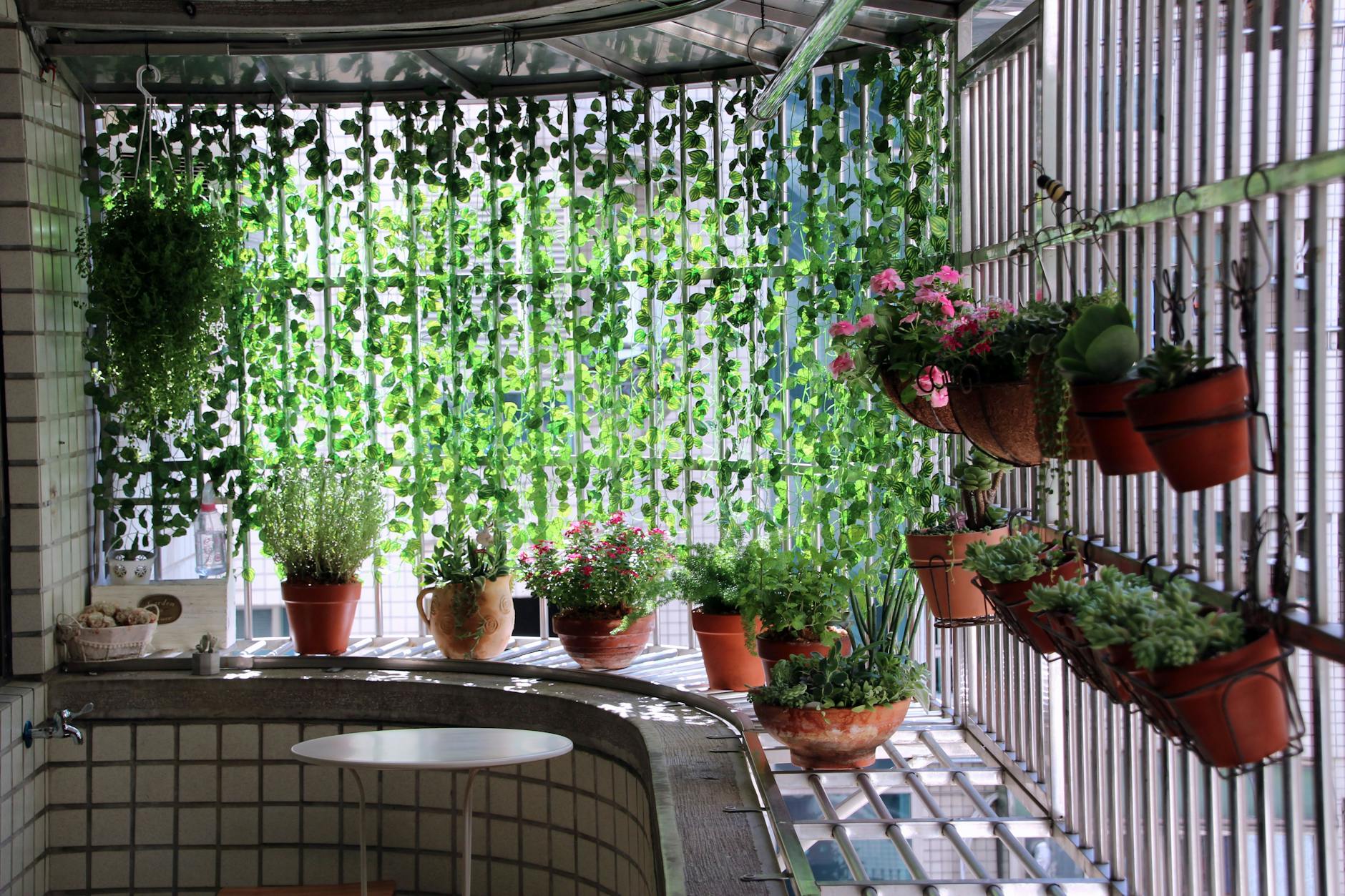
Engineering Space: Optimizing Yield Density Through Vertical Gardening Urban Systems
The constraints of small urban environments demand a fundamental shift in how we perceive growing space. When horizontal real estate is scarce, the strategy must pivot toward maximizing volumetric output. This is precisely where vertical gardening urban systems demonstrate their superiority over traditional ground-level cultivation methods. We are not simply stacking pots; we are manipulating light exposure, water distribution, and root access within a limited footprint. Observing data from dense city environments reveals that vertical structures allow us to exploit three-dimensional space, effectively multiplying the productive surface area available to a gardener.
The mechanism at play involves optimizing light interception. Sunlight penetration is often the primary limiting factor in densely packed balconies or narrow city yards. By elevating plants, we ensure that each plant receives direct, unfiltered solar radiation throughout the day, preventing the self-shading that plagues low-lying container arrangements. This increased light availability directly correlates with higher photosynthetic rates and consequently, greater biomass accumulation from the same substrate volume.
Assessing System Selection for Urban Density
Selecting the appropriate vertical configuration requires an assessment of the specific physical constraints—the wall material, structural integrity, and available ambient light patterns. A poorly engineered system will fail regardless of the plant selection. We must consider gravity, water runoff, and weight distribution before selecting a mounting method.
Pallet gardening systems, for example, offer a rustic aesthetic but their structural stability relies entirely on the condition of the wood and the securing hardware. We observe that these systems perform best when the load is distributed evenly across the support structure; uneven weight application stresses the material and risks collapse. Conversely, living wall systems, which often involve modular felt or pocket systems, require meticulous attention to drainage channels to prevent root suffocation from excess moisture pooling within the pockets.
Hydroponic Integration in Vertical Structures
Moving beyond simple soil-based vertical setups opens pathways toward more intensive cultivation methods. Integrating hydroponic techniques into a vertical framework allows for unparalleled control over nutrient delivery. When plants are stacked vertically, the principle of water efficiency becomes highly relevant because runoff is managed systematically rather than allowed to simply drain away.
In practice, using deep water culture (DWC) or nutrient film technique (NFT) channels built into tiered shelving units provides an efficient means of delivering precise mineral solutions directly to the root zone of each tier. This bypasses the inefficient volume of medium required in traditional soil gardening. We see a measurable reduction in water usage when utilizing these closed-loop vertical systems because evapotranspiration is managed more precisely within the defined architecture of the growing space.
Optimizing Plant Placement and Companion Strategies
The spatial relationship between plants in a vertical system must be considered as a dynamic ecological process, not just a static arrangement. Root competition intensifies when all plants share a common substrate volume, which heightens the demand for optimal spacing. We must analyze how different plant types interact under the constraints of vertical stacking.
For instance, placing sprawling vine crops near delicate herbs creates competitive stress over water and nutrients. We find that strategic placement dictates overall system productivity. Exploring companion planting principles within these limited spaces proves highly beneficial. For example, positioning vigorous climbers alongside slower-growing herbs can utilize the vertical structure to support different growth phases simultaneously. Reviewing concepts like Balcony Bounty: Companion Planting for Urban Vegetable Success offers concrete examples of how this spatial negotiation enhances yield density across varied plant profiles.
Material Science and Sustainable Structures
The materials chosen for construction are intrinsically linked to the long-term success and sustainability of the vertical system. We must assess the thermal properties of the mounting material. Exposed metal or certain plastics can absorb excessive heat, potentially stressing the roots during peak summer temperatures, which raises a critical temperature management concern.
Wood pallets, while accessible, require treatment if they are to serve as long-term structural supports exposed to moisture fluctuations common in urban settings. For systems involving extensive greenery, we observe that lightweight, durable materials like treated cedar or recycled aluminum offer superior load-bearing capacity while minimizing thermal impact on the growing medium beneath. The goal is to create a self-sustaining structure where the physical framework does not become an impediment to biological growth.
Light Gradients and Photoperiod Management
The concept of light exposure changes dramatically as one moves up a vertical plane, creating distinct microclimates that must be managed actively. The bottom tiers receive the most intense direct light, while upper tiers experience softer, diffused illumination. This gradient necessitates selecting plants with varying light tolerances for specific zones.
We analyze the photoperiodic response in these layered environments. Plants requiring high light intensity should occupy the lower, sun-exposed levels, whereas shade-tolerant species can be accommodated higher up. This tiered approach allows a single vertical installation to accommodate a wider spectrum of botanical needs simultaneously. Understanding this spatial light gradient is crucial for maximizing the photosynthetic potential across the entire growing surface.
Water Management Protocols for Vertical Systems
Water delivery in multi-tiered systems presents specific challenges related to gravity and flow dynamics. Ensuring uniform hydration requires an understanding of hydrostatic pressure and drainage pathways engineered into the structure itself. Simple drip irrigation applied haphazardly often results in uneven saturation, leading to localized waterlogging or severe dehydration in different vertical zones.
Implementing a gravity-fed reservoir system is a highly effective method here. Water collects at the top, and the principle of gravity naturally distributes the moisture downward through the system. This setup minimizes reliance on complex, high-pressure pumping systems that are often impractical for small urban setups. Monitoring the flow rate across different tiers allows us to diagnose any blockage or imbalance instantly, providing real-time feedback on the system’s hydraulic performance.
Scaling Production: From Hobbyist to Urban Farm
The transition from a single balcony setup to a more comprehensive vertical gardening urban strategy involves scaling the methodology with an analytical mindset focused on yield per square foot of vertical surface area. We must calculate potential output based on the density achieved, accounting for the reduced root competition observed in well-managed systems.
When assessing expansion, we look at system interconnectivity. Can a larger structure be built by attaching modular sections rather than constructing entirely new, separate units? This approach reduces material waste and allows for incremental scaling of production capacity. The focus shifts from maximizing the area covered to maximizing the biomass produced within that defined vertical envelope. Successfully implementing these layered techniques transforms underutilized urban real estate into highly productive, living ecosystems.
Tags: vertical gardening, urban gardening, living walls, small space gardening, wall gardening, container gardening, apartment gardening
Featured Image by 東森 傅 on Pexels.