
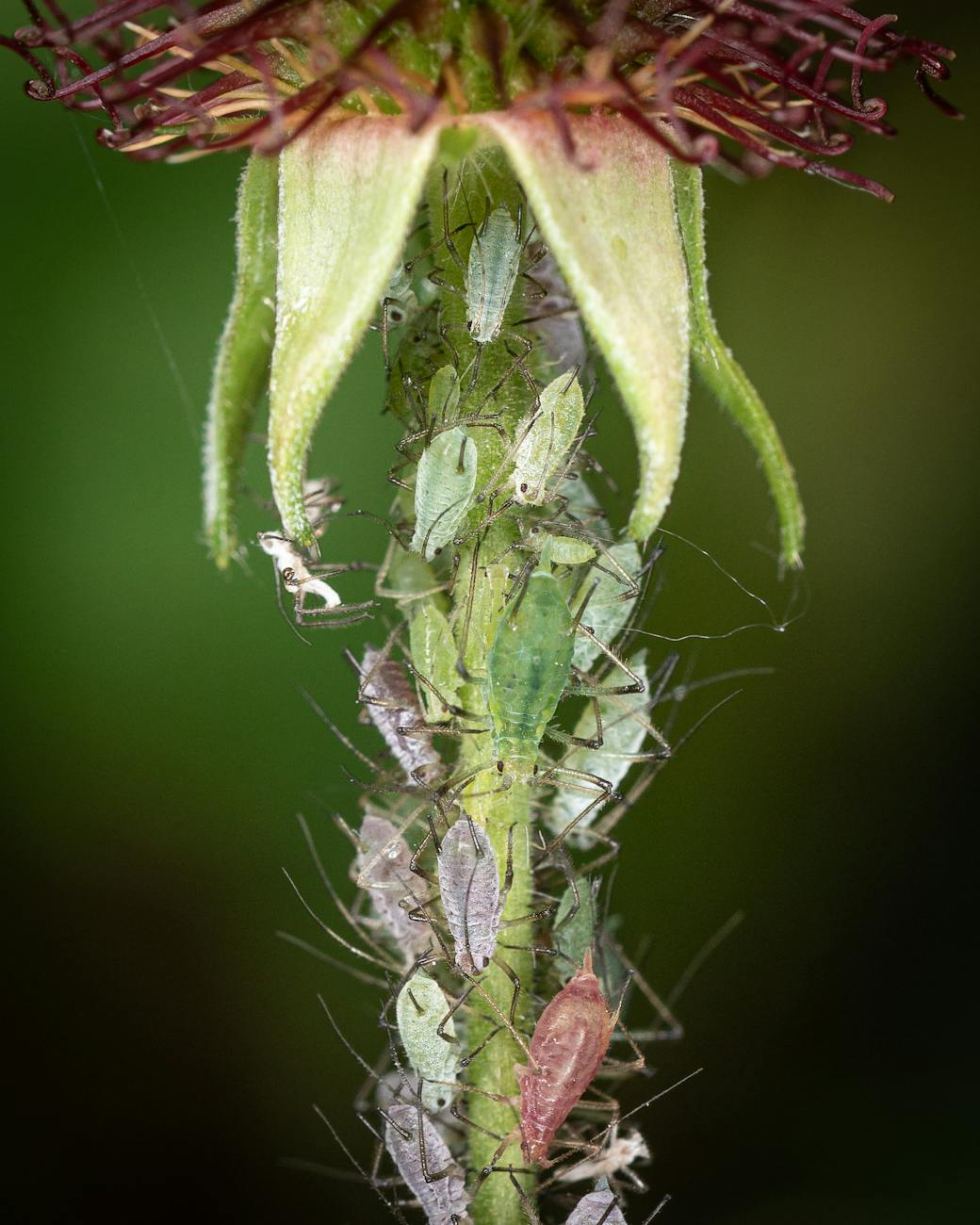
Managing Aphids and Whiteflies Through Integrated Pest Strategies
When cultivating small urban gardens, the presence of common pests like aphids and whiteflies presents a recurring management challenge. These microscopic invaders can rapidly deplete plant vitality if left unchecked, forcing us to devise control methods that respect ecological balance. Understanding the life cycles and feeding mechanisms of these insects is the necessary precursor to implementing effective, organic pest control. We observe that reliance on broad-spectrum chemical interventions often introduces secondary environmental stress without addressing the root cause of the infestation in a small-scale setting.
The objective shifts from eradication to establishing an ecosystem where natural predators thrive alongside our desired flora. This involves manipulating environmental factors and introducing biological controls rather than simply applying poisons. We need strategies that target the specific physiological vulnerabilities of aphids and whiteflies while maintaining the health of the beneficial arthropods already present in the urban environment.
Understanding Aphid and Whitefly Biology
Aphids and whiteflies are phytophagous insects, meaning they derive sustenance by piercing plant tissues and feeding on the phloem sap. This feeding habit results in noticeable symptoms like stunted growth, curled leaves, and a sticky residue known as honeydew accumulation. Whiteflies, being smaller and often found congregating on the undersides of leaves, exhibit a different feeding strategy but share the same impact on plant health.
Aphids reproduce rapidly through parthenogenesis, meaning females can produce viable offspring without fertilization, leading to exponential population increases when conditions are favorable. Similarly, whitefly populations multiply quickly under warm, humid conditions characteristic of many urban microclimates. Our analysis suggests that managing these pests requires addressing these rapid reproductive cycles directly.
Identifying the precise infestation level dictates the necessary intervention intensity. A few scattered insects require monitoring, whereas a dense cluster necessitates immediate, targeted action. Before deploying any treatment, one must accurately assess the damage footprint on the foliage. Reference guides detailing pest identification offer valuable visual cues for this initial assessment: Identifying Urban Garden Pests: A Visual Pest Guide.
Mechanical and Physical Removal Techniques
For smaller infestations, direct physical intervention proves highly effective. Manual removal allows for immediate, localized control with minimal ecological disruption. We can physically dislodge clusters of aphids or whiteflies by using a strong jet of water. This mechanical action physically removes the pests from the plant surface, interrupting their feeding process and temporarily reducing population density.
The temperature differential is another mechanism we exploit here. A sharp blast of water exploits the insects’ aversion to sudden changes in moisture and physical contact. This technique works best on newer growth or areas where infestation is localized. Remember that prolonged exposure to high humidity can also support pest proliferation, so managing overall moisture levels becomes part of this process.
For larger surface infestations, horticultural oils present another viable mechanical approach. Neem oil, for instance, functions by disrupting the insect’s feeding mechanism and interfering with their molting processes. These organic compounds act as contact insecticides, suffocating soft-bodied pests upon contact. Applying these treatments requires careful adherence to dosage specifications to ensure efficacy without phytotoxicity to the surrounding foliage.
Establishing Biological Controls in Urban Settings
A sustainable approach pivots on cultivating natural enemies. Introducing or encouraging beneficial insects creates a self-regulating system where pest populations are kept in check naturally. Ladybugs, parasitic wasps, and certain predatory mites actively prey upon aphids and whiteflies. We need to provide the necessary habitat for these predators to establish viable populations within the confines of our small urban garden space.
Creating diverse floral arrangements supports this biological recruitment process. Planting flowering herbs or companion plants attracts these beneficial arthropods. The specific chemical profiles of these plants influence the availability of nectar and pollen, which are essential nutritional inputs for predatory insects. We observe that monocultures tend to foster pest outbreaks because they lack the necessary biodiversity.
Water management plays a critical role in fostering biological control. Allowing the soil surface to remain slightly moist, rather than allowing it to dry out completely, supports the microbial life that forms the base of the garden’s health. Furthermore, integrating systems like DIY Self-Watering Systems for Balcony Containers helps maintain optimal soil moisture consistency, which benefits both plants and beneficial organisms.
Implementing Proactive Organic Treatments
When physical removal and biological encouragement are insufficient, targeted organic treatments become necessary tools for sustained management. Insecticidal soaps represent a highly effective first line of defense against aphids and whiteflies. These surfactants break down the insect’s waxy outer layer, causing dehydration and mortality when the insects come into contact with the solution. The mechanism targets external physical integrity rather than systemic poisoning.
For persistent issues, horticultural oils remain potent tools. Oils work by smothering the pests; they create a physical barrier that prevents feeding and respiration, effectively managing populations that are too numerous for manual control alone. We must understand that these treatments function best when applied precisely to the infested areas, minimizing exposure to desirable plant tissues.
When using any organic agent, timing is paramount. Application during cooler parts of the day reduces evaporative loss and minimizes potential damage to sensitive foliage. We are not aiming to kill the entire ecosystem; we are targeting the specific pest population density that threatens plant viability. The goal is sustained equilibrium, not acute chemical shock.
Long-Term Urban Gardening Resilience
Managing aphids and whiteflies in an urban garden demands a shift from reactive response to proactive environmental design. This involves creating conditions inherently less hospitable to pest establishment through thoughtful cultivation practices. Dense planting of pest-repellent herbs acts as a constant, low-level deterrent across the growing space. Proper airflow also plays an unseen role; stagnant air environments often accelerate pest life cycles and fungal diseases alongside pest activity.
We must view the garden not just as a collection of plants but as a dynamic system interacting with its immediate urban environment. Understanding how water flows, how light is distributed, and what other life forms inhabit the space informs our control strategy. This holistic perspective allows us to manage pest pressure without compromising the integrity of the small-scale ecosystem we have created. By understanding these intricate biological mechanisms, practitioners can achieve robust, eco-friendly aphid whitefly control urban gardening that supports healthy growth over time.
Tags: pest control, organic gardening, urban gardening, aphids, whiteflies, small garden, natural pest control
Featured Image by D H J on Pexels.