
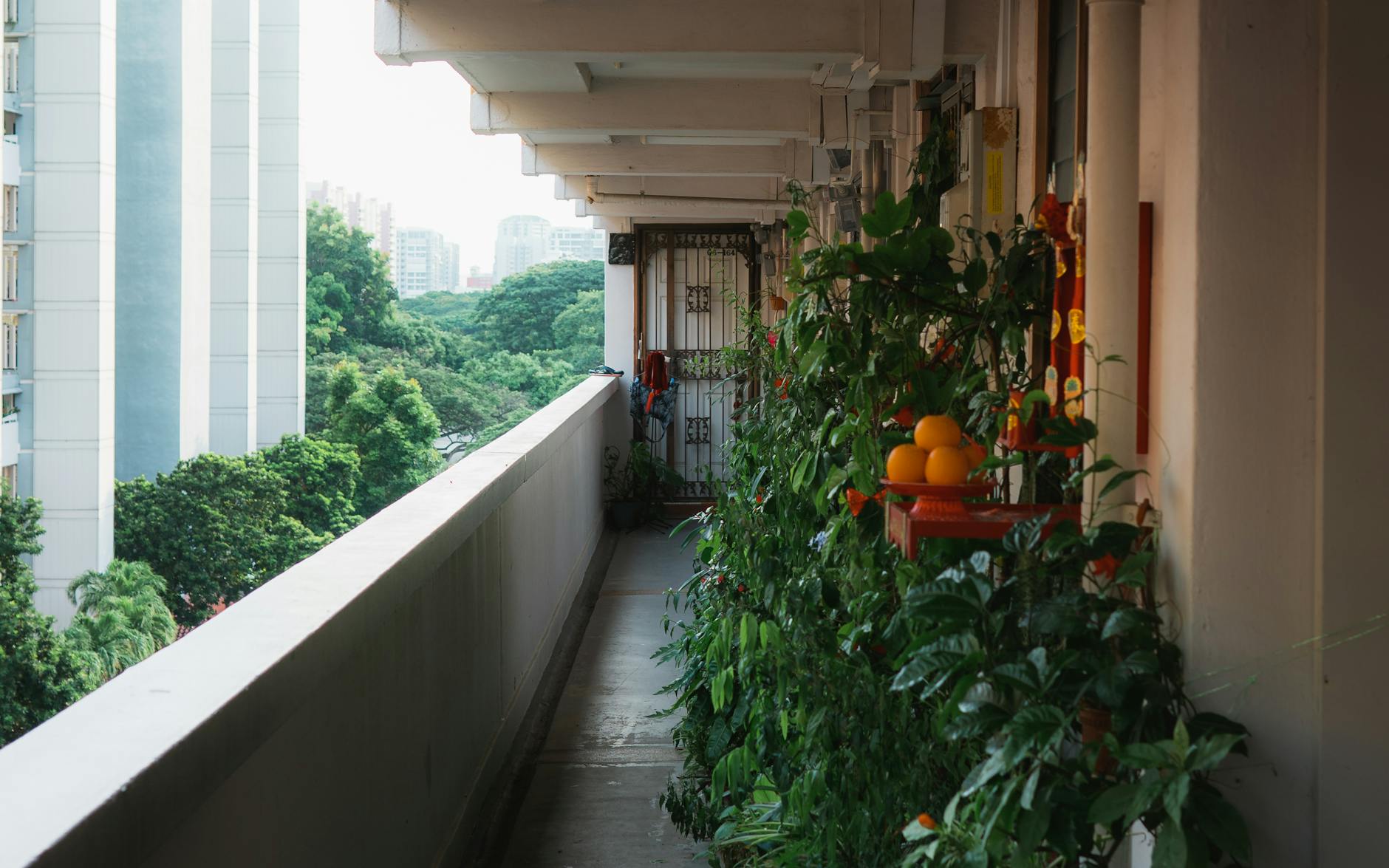
Maximizing Yields on Constrained Urban Real Estate
The constraint of a narrow balcony demands a shift in horticultural strategy. We are not simply dealing with a smaller area; we are analyzing spatial efficiency as the primary limiting factor for successful cultivation. Observing how plants interact with limited horizontal space reveals that verticality becomes the dominant design principle. This necessitates moving beyond traditional row planting and adopting intensive, layered growing systems. Understanding this physical limitation allows us to engineer solutions where surface area is minimized but plant density is maximized.
Optimizing Vertical Space Utilization
When floor space is scarce, the goal transitions from breadth to depth and height. We must treat the vertical plane as an untapped resource for root development and photosynthetic surface exposure. This involves implementing tiered systems rather than relying solely on single-level containers. Think about how water and nutrients move; maximizing exposure means optimizing the root zone within each container while ensuring efficient water distribution across the entire setup.
For instance, integrating vertical structures directly into your balcony architecture allows multiple plant types to coexist in a compact footprint. Trellising systems, for example, convert a flat surface into a three-dimensional growing matrix. These structures provide necessary support for vining plants, allowing them to cascade rather than sprawl across the limited floor area. We observe that this method significantly increases the usable biomass per square foot of balcony space.
Choosing the right physical containers is critical when working within these spatial parameters. The geometry and material of your pots directly influence root health and moisture retention. Research into selecting appropriate containers, such as those designed for container gardening, is essential because improper drainage can rapidly lead to root asphyxiation in confined spaces. We need containers engineered to manage water dynamics precisely, preventing the over-saturation that plagues small setups. Understanding the mechanics of soil aeration within these limited volumes dictates successful nutrient uptake.
Selecting Appropriate Cultivars for Compact Environments
The selection of plant material must align with the physical realities of narrow balcony gardening. Not every desirable flavor or texture can tolerate severe spatial restriction; some crops thrive in dense, shallow systems while others require more expansive root territories. We analyze growth habits to determine suitability. Leafy greens, such as lettuce varieties or spinach, exhibit high density tolerance and yield quickly when grown in successive shallow layers. These plants perform well when roots are kept relatively close to the surface, provided the potting medium maintains optimal porosity.
Conversely, fruiting plants require careful selection. Tomatoes, for example, need substantial lateral space for fruit development and robust root systems. If space is extremely narrow, focusing on compact varieties or determinate types becomes a necessary adjustment. We must prioritize cultivars known for their vertical growth patterns over sprawling habits. This strategic plant choice directly mitigates the spatial deficit inherent in narrow balcony gardening.
Understanding nutrient demand also influences planting density. Plants with high nitrogen demands will consume resources rapidly when packed closely together, potentially depleting the limited soil volume quickly. Conversely, certain herbs and root vegetables can tolerate slightly more competitive conditions if their water and nutrient delivery systems are managed rigorously. We must calibrate the plant’s requirements against the container’s physical capacity.
Implementing Efficient Growing Techniques
The management of water and substrate becomes an exercise in precise control when space is tight. Water retention is a constant challenge on balconies, where wind exposure can accelerate moisture loss. Therefore, the choice of soil amendment directly impacts the longevity of the growing season. Utilizing high-quality potting mixes that incorporate adequate aeration agents ensures that root systems remain oxygenated despite the confined volume. We see that dense, poorly draining soil restricts root respiration, effectively strangling plant growth even if water is plentiful.
We must focus on efficient irrigation methods. Implementing self-watering systems or carefully designed drip infrastructure minimizes water waste and ensures consistent moisture delivery directly to the root zone. This mechanism prevents the need for frequent manual watering, which often leads to inconsistent saturation levels in small pots. Analyzing the rate of evapotranspiration specific to your balcony’s exposure is a necessary first step in setting up an effective watering schedule.
For maximizing the yield from this limited footprint, succession planting emerges as a powerful operational strategy. Instead of attempting to grow large, resource-intensive plants simultaneously, we cycle crops. Planting fast-maturing herbs or greens in shorter cycles allows for continuous harvesting and re-planting. This technique optimizes the temporal use of the space, ensuring that every square inch contributes to the overall harvest output throughout the season.
The Mechanics of Container Selection
The physical attributes of your containers dictate the success of your narrow balcony gardening endeavor. The diameter and depth must be assessed relative to the plant’s mature root structure. A shallow container restricts the ability of deeper-rooted plants to establish themselves, forcing them into suboptimal growth patterns. This is why a careful study of pot geometry before purchasing becomes non-negotiable.
When selecting containers, consider the material’s thermal properties as well. Dark materials absorb more heat, which can accelerate soil temperature changes, while lighter materials reflect solar radiation, potentially mitigating excessive heat stress on roots during peak sun hours. Understanding this interplay between material science and plant physiology refines the selection process. We observe that containers designed for container gardening often incorporate specific drainage channels or expanded clay particles to facilitate efficient water movement, a fundamental requirement in small-space cultivation.
The relationship between pot size and plant vigor is directly proportional. Oversized pots lead to excessive soil volume, which holds excess water unnecessarily and can promote fungal issues if drainage stalls. Conversely, undersized pots force root systems into an overly restricted state, limiting the plant’s ability to access necessary nutrients and water reserves. Finding that equilibrium—the sweet spot where physical restriction meets biological need—is the core challenge of narrow balcony gardening. We must ensure that the container acts as a supportive framework rather than an oppressive boundary.
Tags: urban gardening, balcony gardening, small space gardening, flavorful food, container gardening, apartment gardening, balcony plants
Featured Image by William Gan on Pexels.