Selecting the Right Vessels for Container Gardening Success
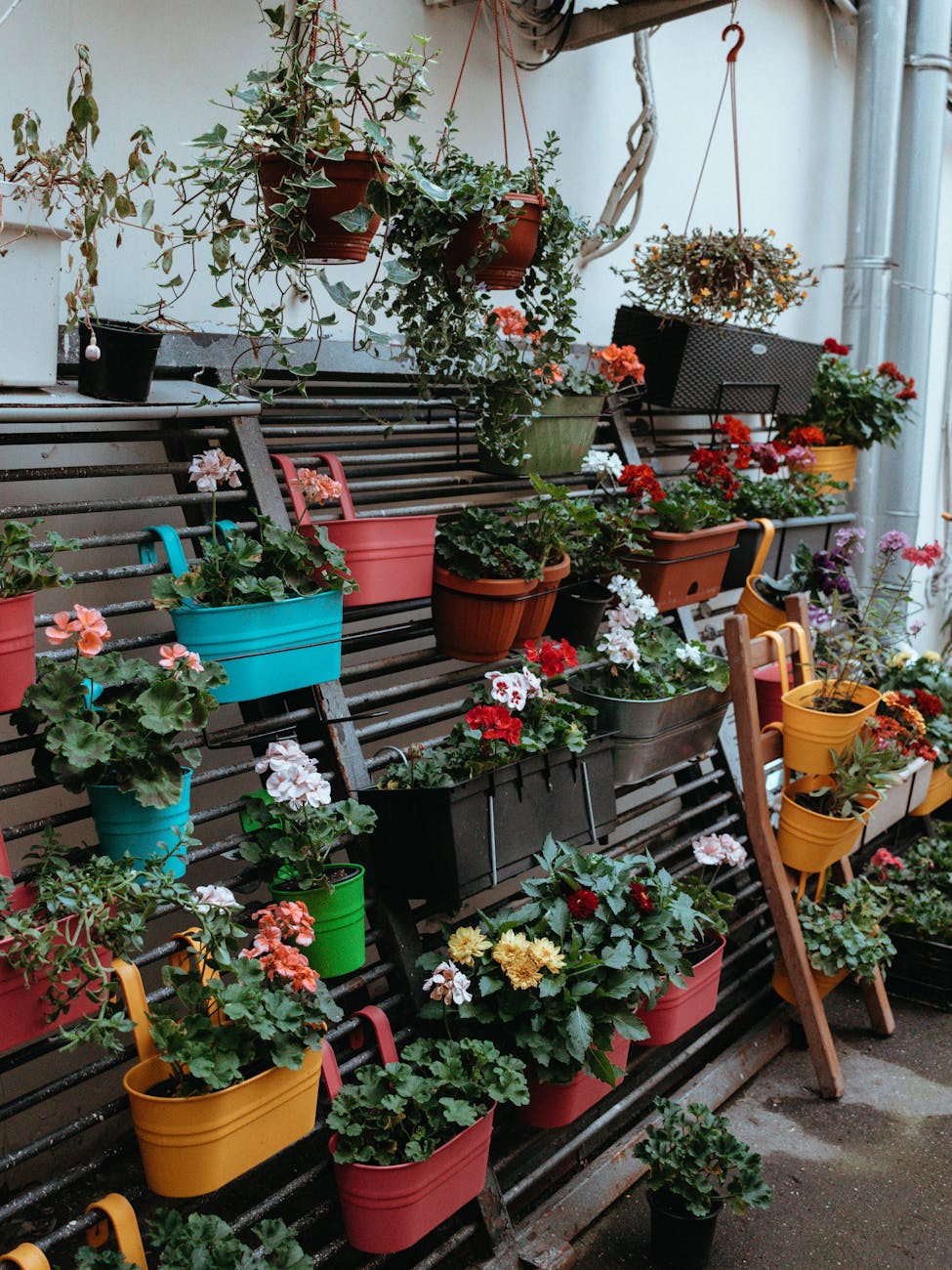
When initiating a project involving container gardening pots urban flowers, the vessel itself ceases to be merely a container and becomes a critical component of the entire growing system. The material, size, and structural integrity dictate everything from root health to water retention rates, directly influencing the success rate of your urban floral ambitions. We observe from the data that ignoring these foundational choices leads to predictable failure points, particularly when dealing with the fluctuating moisture levels inherent in small-scale, densely planted environments.
Material Science: Evaluating Pot Substrates
The selection process begins with understanding how different materials interact with the soil and the roots over time. Terracotta, for instance, is porous; this characteristic allows water to wick away through the clay walls, which can be advantageous during intense heat but poses risks regarding rapid desiccation in drier conditions. Conversely, plastic containers offer superior water retention capacity, holding moisture longer, which mitigates the need for frequent watering in arid urban settings.
We must analyze the thermal properties of the chosen material. Dark-colored pots absorb more solar radiation, potentially leading to higher root temperatures during peak summer months, a phenomenon we see often when plants are situated directly on sun-drenched concrete or pavement surfaces common in urban environments. Ceramic and high-density plastics generally possess moderate thermal mass compared to lightweight options, meaning the temperature fluctuations experienced by the roots can be significant variables in our analysis.
Wooden or untreated composite materials present a middle ground, offering some breathability but requiring specific treatments to prevent rot, especially where constant moisture exposure is likely in urban settings. Understanding this material interaction allows us to engineer a more stable microclimate for the plants attempting to thrive within them.
The Non-Negotiable Role of Drainage Systems
The single most frequently overlooked factor in container gardening is the drainage mechanism. Roots require aeration; stagnant, waterlogged soil creates anaerobic conditions where beneficial microbial activity slows down significantly, effectively suffocating the plant life. Therefore, every pot configuration must prioritize unimpeded outflow for excess water.
We see an absolute necessity for functional drainage holes. If a vessel lacks adequate egress points, even the best-draining potting mix will fail because the root zone becomes saturated and hypoxic. We recommend assessing the bottom of any potential container before purchase; if the design seems entirely sealed, it should be immediately disqualified for outdoor use where drainage management is paramount.
For more intensive urban setups, such as those involving dense plantings or hydroponic principles applied to containers, integrated systems are essential. Consider how water moves through the system when you plan on implementing techniques like Worm Farming for Urban Soil: Living Compost Systems. These living compost systems generate rich substrate, and the pots must facilitate the necessary exchange of gases for these microbial ecosystems to function optimally beneath the surface layer.
Sizing Implications: Root Space Versus Volume
Determining the correct physical dimensions for a pot relates directly to the plant’s mature root system potential. Planting a large root ball into an undersized container forces root circling, which severely restricts nutrient and water uptake capacity. This phenomenon, known as root binding, signals stress long before visible wilting occurs.
Our analysis suggests that the depth of the pot is often more critical than its surface area when considering root development. Deeper pots allow roots to penetrate further into the growing medium, accessing a greater volume of oxygen and moisture reserves necessary for sustained growth. For shallow containers intended for annual flowers, ensuring the substrate depth accommodates the root mass during peak flowering is crucial; simply filling a wide surface area is insufficient if the soil layer is too thin.
When designing vertical systems, such as those utilizing Vertical Gardening: Maximize Yields in Small Urban Spaces, the pot size must account not just for the plant itself but also for the necessary structural support and the required root volume that will anchor into the wall medium. Insufficient depth compromises the stability of the entire vertical structure, leading to potential failure under the weight of saturated soil.
Aesthetic Integration: Shaping the Urban Landscape
Beyond the functional requirements of drainage and material science, the aesthetic choice plays a role in the overall urban design narrative. The pot acts as an extension of the garden; its visual properties influence how the space is perceived by the observer. Choosing materials that harmonize with the surrounding architecture—perhaps matte black or earthy terracotta tones—can integrate the gardening elements seamlessly into the concrete landscape.
The geometry of the pot also influences plant growth patterns. Square or rectangular containers offer defined boundaries, which can be useful for structured planting layouts. Rounder shapes tend to encourage a more uniform, outward-spreading root development. We observe that when managing urban flower projects, understanding these subtle spatial cues helps in designing spaces that feel intentional rather than merely placed.
Mitigating Environmental Stressors
Urban environments present unique challenges: increased wind exposure, rapid temperature shifts, and proximity to pollutants. The pot structure must provide adequate mechanical strength against these forces. A flimsy pot will deform under wind load or heavy rain saturation. This necessitates a careful consideration of the pot’s wall thickness and base stability when selecting materials for outdoor placement.
Water management is the constant variable demanding our attention. In high-density urban settings, water runoff patterns can be unpredictable. Therefore, ensuring that any excess water drains away rapidly prevents prolonged periods of saturation which invite fungal pathogens to establish themselves on the foliage and roots. This proactive approach minimizes the need for intervention later in the growing season.
The cumulative effect of these decisions—material properties, drainage functionality, appropriate sizing, and structural integrity—determines whether a container garden successfully transitions from an ambitious idea to a thriving reality. We engineer success by understanding the physics governing the soil-vessel interaction.
Tags: container gardening, urban gardening, flower pots, pot selection, container gardening tips, small space gardening, plant pots
Featured Image by Kris Møklebust on Pexels.