
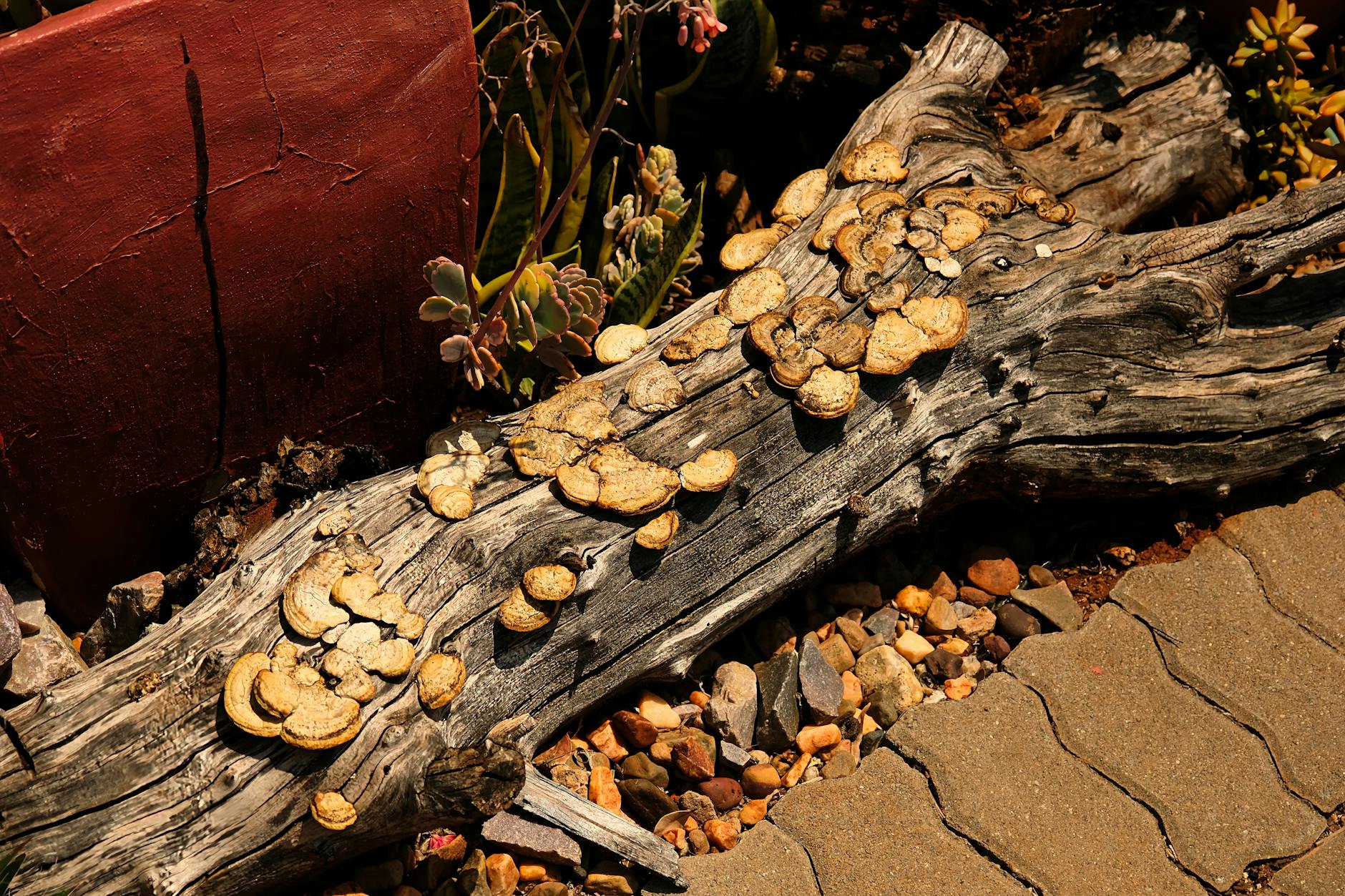
Understanding the Pathogenesis of Fungal Diseases in Container Cultivation
When establishing a small urban garden, we are not just managing soil and water; we are engaging in a complex biological interaction where pathogens establish themselves based on specific environmental tolerances. Fungal infections represent one of the most persistent challenges for container growers. We observe that these diseases manifest not randomly, but as a direct response to imbalances between moisture levels, air circulation, and substrate composition. Understanding this mechanism is the first step toward effective mitigation.
The primary mechanism for fungal proliferation relies on specific conditions: sustained high relative humidity coupled with poor gas exchange at the plant surface. When soil remains perpetually damp—even if the surface appears dry—the hyphae of fungi can penetrate plant tissues or thrive in the moist substrate, initiating destructive growth patterns. This environment favors organisms like Botrytis cinerea (gray mold) or various powdery mildews that produce visible symptoms on foliage and fruit.
Identifying Key Fungal Signatures
Accurate diagnosis hinges on meticulous visual inspection and an understanding of symptomatic presentation. We must differentiate between a fungal infection and general plant stress, which is often the most challenging aspect for novice urban gardeners. Powdery mildew, for instance, presents as a white, powdery growth on leaf surfaces. This is a direct result of fungal spores colonizing the epidermal cells and utilizing the plant’s photosynthetic capacity, effectively blocking light absorption.
We observe that the severity of the infection correlates directly with the environmental history of the growing medium. Dense planting or poor drainage creates microclimates where humidity levels remain elevated above the 70% threshold necessary for significant spore germination and infection. Conversely, healthy systems maintain adequate porosity, allowing air to circulate freely around all plant structures, which actively desiccates the moist surface layer and inhibits fungal development.
Common Pathogens and Their Manifestations
Several common fungal diseases dictate specific management protocols. Powdery mildew is perhaps the most frequently encountered issue in container settings. The mechanism involves the fungus secreting enzymes that break down plant cell walls, leading to visible textural changes on leaves. Treatment requires interrupting this biological cycle quickly.
Another significant threat arises from root and stem rot caused by various water molds and other pathogenic fungi. These organisms exploit compromised vascular systems or overly saturated root zones, causing systemic failure long before external symptoms are obvious. Managing this requires an aggressive focus on substrate health, which directly links to the principles of soil biology. For instance, incorporating living compost systems, such as worm farming for urban soil compost, improves the microbial balance, introducing beneficial organisms that naturally suppress pathogenic colonization.
Controlling Fungal Outbreaks Through Environmental Manipulation
Effective management of fungal diseases in small spaces relies on preemptive environmental control rather than reactive chemical intervention alone. We manipulate the microclimate surrounding the plants to create conditions hostile to fungal spore establishment while remaining conducive to plant health. This involves managing three core variables: moisture, air movement, and substrate choice.
Optimizing Moisture and Humidity Levels
The relationship between water availability and fungal risk is direct. Plants require consistent hydration, but prolonged surface wetness invites infection. We need to ensure that water delivery is efficient, preventing the buildup of stagnant moisture around the roots and foliage. In many container setups, overhead watering can contribute significantly to elevated humidity levels, especially in shaded urban environments where air movement is minimal.
To counteract this, growers must employ techniques that encourage evaporation while maintaining root saturation. Utilizing methods like vertical gardening stackable hanging containers allows for better management of water distribution across different levels. This design inherently promotes better airflow between plants, mitigating the risk associated with localized high humidity pockets. We observe that optimizing container density forces a more balanced interaction within the planting space.
Enhancing Air Circulation for Disease Suppression
Air movement acts as a critical defense mechanism against fungal spread. Stagnant air traps moisture and creates the necessary low-air-exchange conditions for spores to colonize surfaces. Introducing consistent air currents disrupts this equilibrium, physically drying out the moist boundary layer where infection begins. This is why plant spacing matters intensely in urban settings; overcrowding eliminates the necessary gap between leaves, creating a dense, humid microenvironment that accelerates disease progression.
When utilizing vertical gardening structures, the inherent stacking creates staggered layers, which naturally increases the potential for cross-ventilation compared to flat, densely packed arrangements. This physical separation is a powerful non-chemical control mechanism against airborne fungal spores.
Substrate Selection and Biological Defense
The medium in which the roots reside plays an indirect yet profound role in disease susceptibility. Substrate composition influences nutrient availability, which in turn affects the plant’s ability to mount its own defense responses against pathogens. We find that substrates rich in organic matter and teeming with beneficial microorganisms offer plants a stronger physiological buffer.
When selecting potting mixes for urban gardening, we prioritize materials that promote healthy microbial activity. A substrate composed of high-quality compost supports a robust soil food web. This living environment fosters plant resilience; strong plants are better equipped to tolerate minor pathogenic incursions. By nurturing the soil biome through practices like worm farming for urban soil compost, we introduce organisms that compete with or actively suppress harmful fungal competitors, establishing a naturally resilient ecosystem.
Implementing Organic Treatments and Prevention Strategies
When environmental controls are insufficient, targeted intervention is necessary, focusing on organic treatments that address the active infection while respecting the sensitivity of the urban environment. Chemical fungicides can be effective but carry risks to the broader garden ecosystem we aim to foster in small spaces.
Targeted Application Protocols
If fungal diseases become established, treatment must be precise. Spot treatment targets the infected areas directly, minimizing overall chemical load. For mild infections like early powdery mildew, a simple application of a diluted solution of water and a mild soap can physically disrupt the fungal growth on the leaf surface. This physical action is immediate and effective at stopping further spore dispersal across the plant canopy.
For more severe infestations, understanding the life cycle allows for strategic intervention. Treating proactively before symptoms become widespread minimizes systemic damage. This requires constant vigilance over environmental conditions, as a slight shift in humidity can trigger a rapid outbreak if left unaddressed. We must constantly monitor the boundary between optimal growing conditions and pathogenic thresholds.
Long-Term Prevention Through System Design
The most robust strategy against fungal diseases urban gardening involves designing systems that inherently resist infection. This moves beyond mere treatment toward preventative architecture. Integrating physical separation, ensuring superior drainage, and cultivating a living soil environment form the backbone of this defensive strategy.
Designing space to maximize airflow and minimize stagnant moisture is paramount in small footprints. Think about how vertical stacking naturally facilitates better air exchange than flat beds packed tightly together. When we integrate concepts like Vertical Gardening into our plans, we are optimizing spatial relationships to favor plant respiration over fungal colonization. This holistic approach recognizes that managing fungal diseases urban gardening is fundamentally an exercise in creating a balanced, dynamic micro-ecosystem where plants thrive autonomously.
Tags: fungal diseases, urban gardening, powdery mildew, garden treatment, organic gardening, small space gardening, plant health
Featured Image by Alexander F Ungerer on Pexels.