
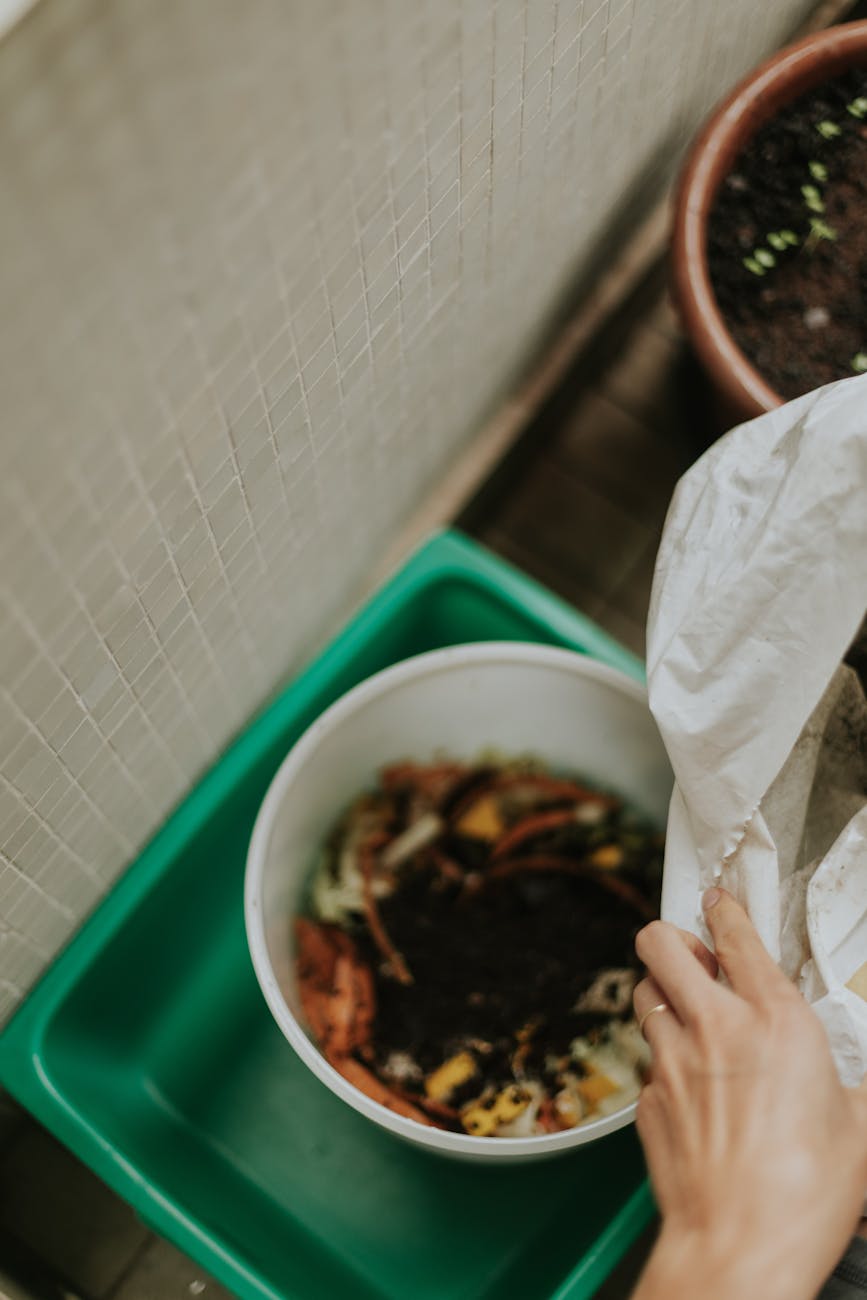
Optimizing Waste Streams: The Mechanics of Urban Worm Composting
When we consider small urban gardening, we are fundamentally engaging in a closed-loop ecological system. The goal shifts from simply growing food to managing resources efficiently within constrained spatial parameters. One highly effective method for achieving this resource cycling is urban worm composting. This process transforms organic waste streams—kitchen scraps and yard trimmings—into nutrient-dense humus, bypassing the need for external waste disposal entirely. We observe that successful vermicomposting hinges on understanding the microbial dynamics operating within the bin environment.
Understanding Vermicomposting as a Biological Process
Vermicomposting is not merely burying food scraps; it is cultivating an ecosystem of specialized earthworms, predominantly Eisenia fetida or similar composting worms, which act as highly efficient biological processors. These invertebrates ingest organic matter and excrete nutrient-rich castings. The mechanism relies on the worms’ digestive enzymes breaking down complex cellulose and lignin structures into simpler, bioavailable forms that plants can absorb directly.
The temperature regulation within the bin is a critical factor. Worms thrive in moderate, consistent warmth, typically between 55°F and 77°F (13°C to 25°C). If the environment becomes too hot, bacterial decomposition accelerates unevenly; if it cools too much, the metabolic rate slows considerably. We must monitor ambient temperature fluctuations closely, especially when placing bins on fire escapes where external thermal conditions can swing dramatically throughout the day and seasons.
Selecting the Appropriate Bin Structure for Urban Environments
The physical structure of the composting system dictates its efficiency and manageability in a dense urban setting. For spaces like fire escapes, verticality and accessibility become paramount design constraints. A simple plastic storage bin, properly ventilated and lined with appropriate bedding material, serves as an adequate starting point. However, we must analyze how this container interacts with airflow and moisture retention.
The ideal bin geometry allows for consistent porosity. This porosity facilitates the necessary exchange of gases—oxygen entering to sustain aerobic bacterial activity while managing moisture levels effectively. A tightly sealed container creates anaerobic conditions, which favor foul-smelling decomposition rather than high-quality humus production. We need a structure that balances containment with necessary biological interaction.
Establishing the Ideal Bedding Material
The substrate within the bin is arguably as important as the organic inputs themselves. The bedding material acts as the worm’s habitat and the medium for microbial colonization. We typically utilize shredded newspaper, coir, or dry, shredded cardboard as the base layer. This material provides the necessary porosity for burrowing and moisture retention without becoming waterlogged.
The introduction of a suitable bedding material inoculates the system with beneficial microorganisms already present in the substrate. As the worms consume this material, they further process it, creating a rich, living medium. We observe that using damp, fresh materials immediately after introducing food scraps can lead to anaerobic pockets and poor aeration; therefore, bedding must be pre-moistened sufficiently but not saturated, allowing the system to regulate moisture uptake organically over time.
Managing Input Ratios for Optimal Output
The balance between ‘greens’ (nitrogen-rich materials like fruit peels) and ‘browns’ (carbon-rich materials like shredded paper or dry leaves) determines the efficiency of the composting process. A general rule of thumb we see in practice suggests a carbon-to-nitrogen ratio near 30:1 for optimal decomposition rates. Introducing too much nitrogen relative to carbon overwhelms the microbial community, leading to excessive moisture and potential pathogen proliferation if aeration is lacking.
We must analyze the volume of input versus the volume of bedding. Overloading the bin with food scraps without sufficient absorbent bedding results in compaction and anaerobic conditions near the substrate layer. When managing urban worm composting, consistent layering—a base of browns, a layer of bedding, and then the inputs—ensures that decomposition proceeds systematically from the bottom up.
Troubleshooting Common Urban Composting Issues
Problems invariably arise when the system deviates from optimal ecological parameters. A primary issue encountered in small urban settings is excessive moisture. If the bin appears soggy, aeration must be immediately addressed by introducing dry, shredded cardboard or newspaper to absorb excess liquid, thereby restoring the necessary porosity for gas exchange.
Another common observation relates to odor. Foul smells indicate anaerobic conditions caused by insufficient oxygen supply relative to the rate of organic breakdown. This signals that the system requires immediate aeration and adjustment of input ratios; you need more dry carbon material to balance the moisture content. If the smell persists despite adding absorbent bedding, it suggests an imbalance in the worm population or a systemic failure in managing the decomposition phase.
Integrating Vermicomposting with Vertical Gardening Strategies
The principles governing urban worm composting naturally interface with other small-space gardening techniques. The resulting worm castings represent a potent amendment that dramatically enhances the growth potential of container plants, whether they are sitting on a balcony or utilizing vertical structures. Applying these nutrient-rich excretions directly to potting mixes significantly reduces the need for synthetic fertilizers, demonstrating a true closed-loop approach.
For instance, when planning planting in containers, understanding soil health becomes central. The worm castings provide an immediate infusion of beneficial bacteria and micronutrients that stimulate root development far more effectively than standard commercial compost alone. This enhanced nutrient availability allows plants to access water and minerals more efficiently, which is especially crucial for plants grown in smaller volumes where resource depletion can occur quickly.
When maximizing yields in narrow spaces, techniques like vertical gardening focus on optimizing light exposure and substrate depth. Worm castings improve the physical structure of the growing medium, increasing aeration and water retention capacity within a container or vertical planter. This synergistic effect means that by successfully managing the waste stream through composting, we simultaneously optimize the growth medium for plants utilizing limited space.
Practical Implementation on Fire Escape Spaces
Setting up this system on a fire escape demands a focus on security and accessibility. The bin must be secured against pests while remaining accessible for regular maintenance, which involves turning the contents and monitoring moisture levels. Since these spaces are exposed, thermal buffering is another consideration; placing the bin in a spot that receives indirect sunlight or utilizes existing structural insulation can help maintain the stable temperature range required by the worms.
We see that routine observation is non-negotiable. Regularly inspecting the worms—checking for activity levels and signs of distress—provides immediate feedback on the health of the entire biological process. This hands-on monitoring transforms the abstract concept of composting into a tangible, observable experiment in applied biology. The success of urban worm composting in an urban environment is ultimately a function of consistent, knowledgeable management of these physical and biological variables.
Tags: worm composting, vermicomposting, urban gardening, small space composting, fire escape gardening, worm bin, apartment composting
Featured Image by Letícia Alvares on Pexels.