
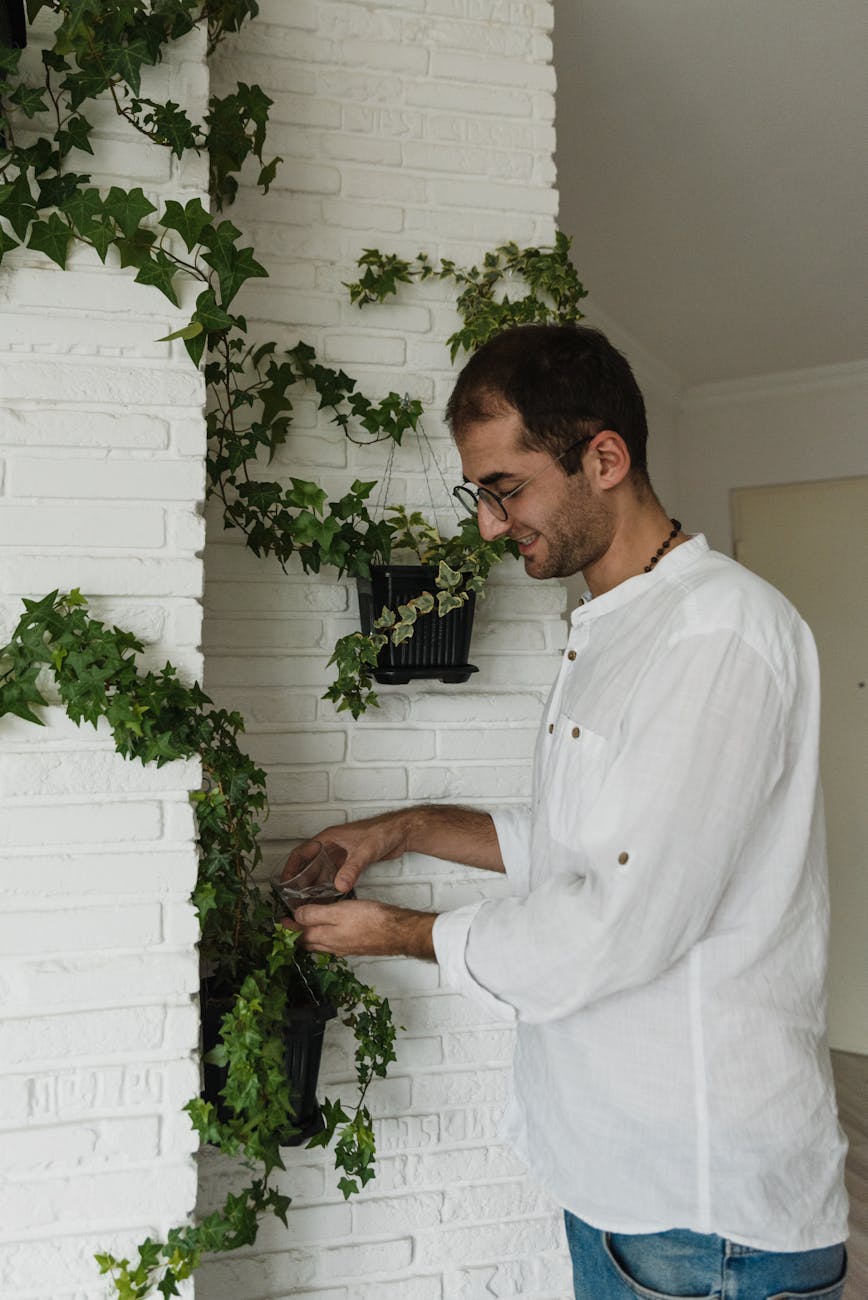
Maximizing Yields with Vertical Gardening Small Space Systems
The constraint of limited horizontal area forces a shift in horticultural strategy. When space is scarce, we must abandon traditional, ground-level planting methods and engage in vertical design. This approach fundamentally alters how we interface plants with the available architectural envelope of an urban dwelling. We are essentially engineering micro-ecosystems where every square inch of vertical plane becomes productive real estate. Understanding the mechanics behind this transformation reveals why vertical gardening small space systems offer superior yield density compared to conventional container gardening on a flat surface.
The Physics of Vertical Cultivation
The primary mechanism at play here is maximizing surface area exposure relative to volume constraint. A traditional garden maximizes root access across a two-dimensional plane, but vertical systems leverage the three-dimensional space. This allows for increased photosynthetic surface per unit of footprint utilized. We are not simply stacking pots; we are creating tiered environments where light penetration and substrate management become critical engineering considerations.
Consider the light dynamics. Sunlight intensity is uneven across an exterior wall depending on orientation, shading from adjacent buildings, and the placement of the vertical structure itself. Plants positioned higher experience different light profiles throughout the day than those at the base. This gradient demands careful species selection; shade-tolerant herbs or specific leafy greens must be positioned where they receive optimal Photosynthetically Active Radiation (PAR). We observe that poorly managed vertical setups often result in inequitable growth, with lower tiers receiving insufficient energy input while upper tiers become desiccated.
System Selection: Choosing the Right Structure
Selecting the appropriate mounting system is the first analytical step. The choice dictates water flow, substrate retention, and structural load capacity. We see three primary methodologies emerge for small urban settings: pocket systems, modular shelving units, and living wall panels. Each possesses distinct operational parameters.
Pocket systems, utilizing felt pockets or fabric sleeves attached directly to a vertical surface, are excellent for shallow-rooted herbs and trailing vines. The mechanism relies on capillary action within the fabric to wick moisture from a reservoir below, requiring minimal substrate depth. These systems manage water efficiently but demand extremely careful attention to drainage pathways to prevent root rot when managing dense foliage.
Modular shelving units offer greater structural rigidity and allow for deeper soil profiles suitable for larger plants like strawberries or small bush varieties. The advantage here lies in the ease of substrate replacement and access for maintenance tasks, offering a more traditional gardening experience within a vertical framework. However, they consume more floor space horizontally, which is often the very resource we are trying to conserve in a small space.
Living wall panels, often utilizing hydroponic or felt-based systems integrated into a continuous vertical plane, represent the most intensive approach. These systems manage water and nutrient delivery through integrated channels, creating an entirely self-contained, highly controlled environment. The complexity increases exponentially with this method; successful operation requires precise calibration of nutrient film technique (NFT) flow rates or similar circulating systems.
Substrate Management and Nutrient Delivery
The medium itself is no longer just dirt mixed with compost. In vertical configurations, the substrate becomes a dynamic component in managing water tension and nutrient delivery across multiple planes. We must account for the potential for runoff and stratification. Water flows downward; if drainage is inadequate or poorly distributed across the tiers, one level can become saturated while another remains starved, creating localized microclimates of stress.
For systems employing traditional soil media, a consistent, lightweight mix incorporating aeration materials like perlite or expanded clay is essential to maintain porosity, which directly impacts root respiration and nutrient uptake kinetics. We find that dense, heavy soils impede the necessary air exchange required for healthy microbial activity within the root zone.
When moving toward more intensive systems, such as those involving hydroponics integrated into vertical structures, the focus shifts entirely to solution management. Nutrient concentration and pH balance become non-negotiable parameters. Observing plant health in these setups reveals that even minor deviations in Electrical Conductivity (EC) or pH can trigger stress responses, manifesting as chlorosis or stunted growth. This level of precision separates successful vertical cultivation from simple container gardening.
Mitigating Biological Risks
Introducing living systems into confined, often semi-enclosed urban environments necessitates a proactive approach to biological management. The increased density inherent in vertical gardening small space setups accelerates the potential for opportunistic pathogens to proliferate. We must recognize that high plant density creates a humid microclimate conducive to fungal and bacterial proliferation if airflow is restricted or drainage fails.
Fungal infections present a significant threat, particularly when root systems become compromised by overly saturated conditions common in vertical stacking. Our analysis indicates that establishing robust drainage channels at every tier is not optional; it is foundational infrastructure for the system’s longevity. Poor air circulation exacerbates moisture retention, creating ideal conditions for pathogens like Phytophthora or various molds to establish themselves rapidly on damp root surfaces.
Understanding these biological interactions requires continuous monitoring. When you observe discoloration or wilting patterns that resist simple watering adjustments, investigate potential systemic issues related to substrate health or environmental stress. For instance, if the substrate remains perpetually saturated despite adequate drainage, conditions are ripe for opportunistic infections. Research into managing these risks informs proper system design and maintenance protocols. We see documented correlations between poor aeration and increased susceptibility to fungal proliferation within dense vertical plantings. If you encounter signs of widespread fungal issues, identifying the root cause—whether it stems from poor initial substrate quality or persistent waterlogging—is the necessary first step toward remediation.
Integrating Waste Streams: Closing the Loop Locally
The urban gardener has the opportunity to integrate waste streams into the cultivation cycle. The concept of closing the nutrient loop becomes highly relevant when managing resource-intensive systems like vertical walls, where substrate replacement is a recurring event. Utilizing organic matter sourced locally reduces external inputs and enhances the health of the entire micro-ecosystem.
Urban worm composting provides an excellent mechanism for generating high-quality, slow-release organic amendments suitable for container or wall planting. Worm composting transforms kitchen scraps into humus rich in beneficial microorganisms that enhance soil structure. This process effectively manages the nutrient cycle locally, reducing reliance on external fertilizers and minimizing waste output from the urban setting.
When using compost derived from vermiculture, we observe improved water retention properties within the growing medium. The microbial activity introduced by worm castings enhances the biological pathways plants use to assimilate available nutrients, making the system more resilient against environmental fluctuations. This localized nutrient cycling supports the overall stability of the vertical gardening small space endeavor by ensuring that the substrate is not merely a passive medium but an active, living component of the growth process.
The interplay between physical structure, hydrological management, and biological input defines successful urban cultivation. By applying these principles—optimizing light exposure, engineering drainage pathways, selecting appropriate media, and integrating localized nutrient cycling—we move beyond simple container placement toward establishing resilient, productive vertical ecosystems capable of thriving in constrained urban environments.
Tags: vertical gardening, living walls, urban gardening, balcony gardening, small space gardening, diy gardening, container gardening
Featured Image by Arina Krasnikova on Pexels.