
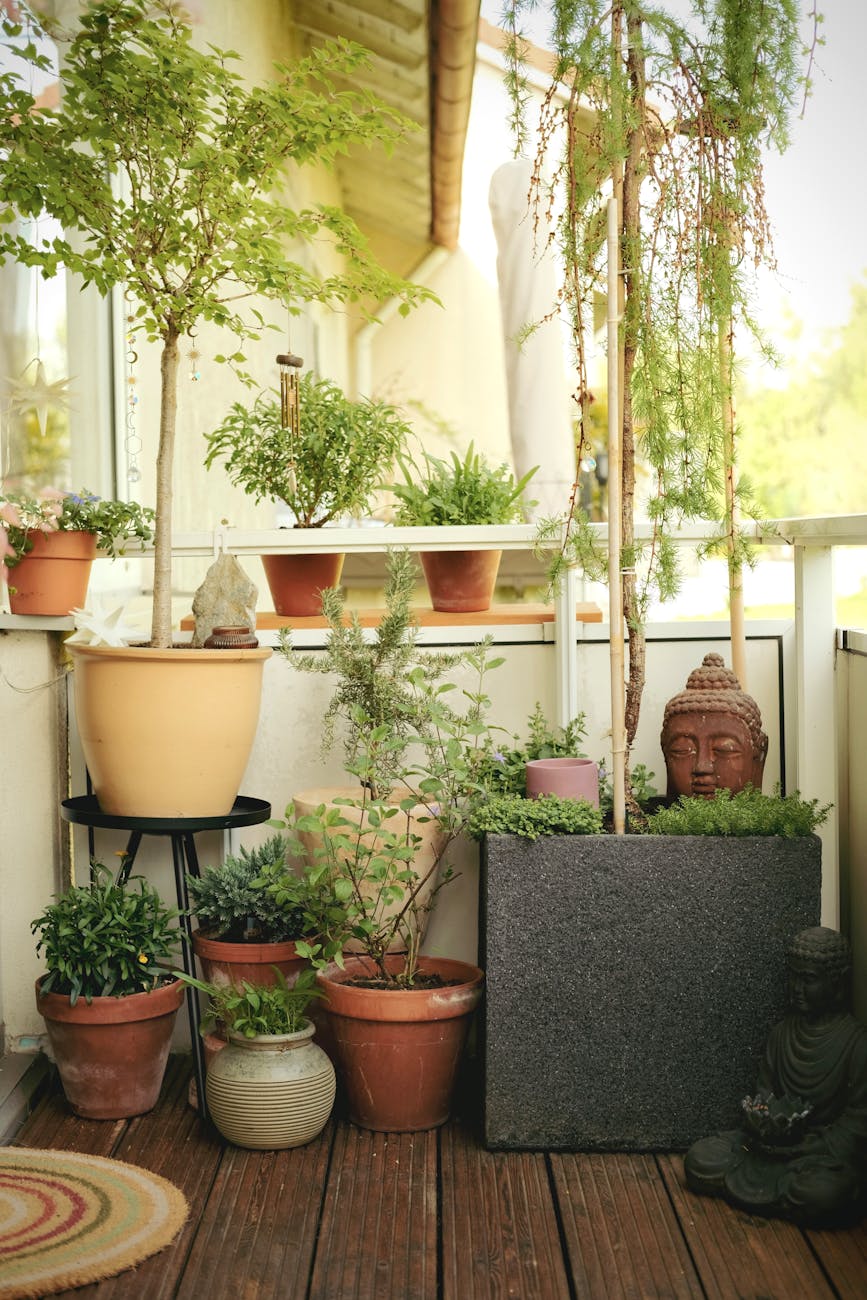
Understanding the Mechanics of Container Selection for Urban Cultivation
When initiating a small urban garden, the choice of container is not merely aesthetic; it fundamentally dictates the success or failure of the entire cultivation process. We observe from the data that selecting the appropriate vessel involves balancing substrate retention, root aeration, and water management simultaneously. This initial decision sets the physical constraints within which plant physiology will operate. A poorly chosen container introduces systemic limitations that actively impede nutrient uptake and water equilibrium.
The primary mechanism at play is the interface between the growing medium and the root system. Roots require consistent access to oxygen for respiration; insufficient air pockets lead to anaerobic conditions, causing root rot, a common failure point in container gardening. Conversely, if the container material has poor porosity or inadequate drainage channels, excess water pools at the base, creating saturated soil that suffocates the roots above it. Therefore, assessing the material composition and structural design becomes paramount before any soil is introduced.
Material Science: Evaluating Pot Construction
The material a container is fashioned from directly influences its thermal properties and moisture regulation capabilities. Terracotta, for instance, is prized by some because its porous structure allows for evaporative cooling, which can be beneficial in intensely hot urban environments. However, this porosity demands vigilant monitoring of watering frequency; excessive exposure to rapid drying can stress sensitive root systems.
Plastic containers offer superior water retention properties and are lightweight, which simplifies transport and handling. The downside emerges when these materials lack sufficient venting; if the soil remains waterlogged for extended periods, the saturated weight exerts undue pressure on the container walls, potentially leading to structural failure over time. We must analyze the density of the polymer and the integrity of any molded drainage holes, as these features control the rate of moisture exchange between the medium and the environment.
Wood-based containers present a different set of considerations. While aesthetically pleasing, untreated wood can degrade rapidly when exposed to constant moisture fluctuations, introducing potential contaminants into the growing medium. If using wood, ensuring proper sealing or treatment is necessary to prevent microbial growth within the container walls themselves.
The Critical Role of Drainage and Aeration
Drainage is perhaps the single most critical factor separating a thriving garden from a failed attempt at small urban gardening. Effective drainage ensures that excess water moves away from the root zone promptly, preventing the creation of saturated soil layers. This process relies on gravity acting upon unobstructed pathways to the bottom of the vessel.
We observe that containers without adequate, functional drainage holes force the gardener into a constant state of managing saturation, which is exhausting and error-prone. For any container, the mechanism must facilitate rapid water egress. If you are using a liner system or an inner pot within a larger decorative pot, ensure the outer container possesses sufficient negative space to allow for free flow when the internal medium becomes saturated. This principle applies universally across all container selections.
Sizing Parameters: Matching Volume to Root Architecture
Determining the correct size involves understanding the root-to-volume ratio of the intended plant species. Small plants require minimal substrate depth, whereas larger specimens demand substantial volume to accommodate expansive root systems without restricting growth laterally. A common mistake is selecting a pot that is too small; this forces roots into a confined space, inhibiting their natural exploratory growth and nutrient absorption capacity.
When planning your layout for container selection small urban gardening, consider the mature spread of the chosen plant. For shallow-rooted herbs or small vegetables, shallower containers suffice. However, tomatoes or root vegetables require deep reservoirs to establish a robust structure capable of supporting substantial biomass. We analyze that providing adequate volume allows the plant to develop a healthier, more complex root architecture, which in turn enhances its resilience against environmental stressors.
Selecting Appropriate Geometries for Space Optimization
The shape of the container impacts both water retention dynamics and spatial efficiency within an urban setting. Square or rectangular containers offer predictable, rectilinear planting surfaces, making organization straightforward. These shapes are excellent for maximizing horizontal yield where space is limited.
Conversely, circular containers, while aesthetically pleasing, present a greater surface-area-to-volume ratio compared to rectangular counterparts of the same volume. This means that a circular pot will experience faster drying rates and potentially require more frequent watering adjustments because the exposed surface area facilitates quicker moisture loss to the ambient air. When optimizing space for small urban gardening, understanding these geometric implications helps fine-tune irrigation schedules based on container shape.
Integrating Vertical Strategies with Container Choices
Urban spaces rarely afford ample horizontal real estate; therefore, vertical integration becomes an essential strategy. When selecting containers, we must consider how they interact with multi-tiered systems, such as DIY vertical gardening systems for small urban spaces. Containers chosen for vertical stacking must possess structural integrity to bear the weight of the moist substrate and the plant mass above them without compromising the lower levels.
The decision should flow from the overall system design. If you opt for a tiered structure, the individual pots must be robust enough to handle the cumulative load. This requires prioritizing materials with high tensile strength over purely aesthetic considerations when dealing with multi-level arrangements. The physical constraint of the space necessitates an analytical approach to container selection small urban gardening that incorporates structural engineering principles alongside horticultural needs.
Finalizing Selection: A Checklist for Success
Before committing to any purchase, run through a systematic evaluation process. First, assess your water source and maintenance capacity; this dictates tolerance for material porosity. Second, map the intended plant’s growth habit against the container’s dimensions to ensure adequate root space. Third, confirm the drainage mechanism functions flawlessly under simulated saturation conditions. This analytical sequence transforms the selection process from a guess into a calculated decision. Understanding these mechanical interactions ensures that your physical setup supports the biological imperatives of your plants, paving the way for successful small urban gardening endeavors. If you encounter issues with managing pests while cultivating in containers, research natural solutions for apartment gardeners to maintain ecological balance within your confined space.
Tags: urban gardening, container selection, small garden pots, gardening tips, container drainage, beginner gardening, container size
Featured Image by Laura Cleffmann on Pexels.