
Maximizing Space: How Plant Symbiosis Drives Urban Yields
Growing substantial harvests in limited urban footprints demands a strategic approach beyond simply maximizing square footage. When working with small urban gardens, understanding the ecological relationships between adjacent plants becomes a critical lever for increasing productivity. Companion planting is not merely about placing different vegetables next to each other; it involves engineering a micro-ecosystem where plant interactions directly influence resource allocation and pest pressure across the entire plot. We observe that strategic pairings create synergistic effects, allowing plants to optimize light absorption, soil nutrient cycling, and natural defense mechanisms simultaneously.
The mechanism at play involves chemical signaling and physical shading. Certain plant species release volatile organic compounds (VOCs) into the air, which can either repel specific insect pests or attract beneficial predatory insects. When we intentionally pair plants, we are manipulating this airborne chemical landscape to favor desirable outcomes. This targeted approach supersedes random placement, moving gardening from simple cultivation to applied ecological science.
Establishing Beneficial Plant Partnerships
The core principle of companion planting rests on exploiting the inherent biological interactions between different flora. We look for established relationships where one plant’s presence modifies the growth parameters or defense states of its neighbors in a beneficial direction. For example, placing strong-smelling herbs near fruiting vegetables can act as an aromatic barrier against general herbivorous insects.
Consider the classic strategy of incorporating nitrogen-fixing plants. Legumes, such as beans or peas, establish symbiotic relationships with Rhizobium bacteria in their root nodules, effectively pulling atmospheric nitrogen from the soil and making it available to surrounding, less robust plants. This process reduces the necessity for synthetic nitrogen inputs, which is highly advantageous in small-scale urban settings where soil amendment can be complex. We see this as a direct pathway to higher biomass production without external chemical intervention.
When designing your planting scheme, think about the root systems. Deep-rooted plants can improve soil aeration and break up compacted urban soil structure, allowing shallower-rooted vegetables to access water and nutrients more efficiently. This physical manipulation of the substrate is an often-overlooked component of maximizing small-space yield potential. We must account for how roots compete for limited subterranean resources.
Managing Pest Dynamics Through Plant Architecture
A significant portion of garden management involves mitigating pest damage, a task where natural controls offer superior, long-term solutions compared to broad-spectrum chemical applications. Companion planting facilitates this control through direct and indirect means. Certain plants emit strong constitutive odors that act as deterrents against common garden pests like aphids or whiteflies. We are essentially using the plant’s biochemistry as a living pesticide.
We utilize aromatic defenses extensively in this practice. Marigolds, for instance, are frequently incorporated into urban plots because their root exudates release compounds that interfere with soil-borne pathogen proliferation and deter nematodes. This action creates an immediate, low-input defense layer around vulnerable crops. The density of these protective barriers directly correlates with reduced pest infestation rates observed in field studies.
The concept extends to creating layered defenses across the garden space. A dense mix of diverse plant types disrupts the continuous food source that pests rely on for sustained populations. When a pest targets one specific crop, it encounters a different chemical environment immediately upon moving to the adjacent plant, forcing behavioral shifts or reducing feeding intensity. This architectural complexity is far more resilient than relying on a single repellent treatment across the entire area.
Optimizing Resource Flow and Soil Health
The success of companion planting hinges on optimizing how water and nutrients move through the system. Plant pairings influence the overall evapotranspiration rate of the garden, which is crucial when managing water scarcity common in small urban environments. Taller plants can provide beneficial shade, reducing direct solar radiation stress on delicate lower-growing vegetables, thereby lowering water loss from the soil surface.
The interplay between plant roots also dictates nutrient availability across the entire zone. Plants with different rooting depths access different soil horizons; this differential uptake creates a more evenly distributed nutrient profile within the garden bed than monolithic planting patterns. Understanding these spatial dynamics allows us to manage inputs more precisely, minimizing waste and maximizing uptake efficiency. For instance, integrating soil amendment techniques, such as utilizing compost derived from materials like Urban Worm Composting: Fire Escape Vermicompost Bin Guide (https://twigharbor.com/urban-worm-composting-fire-escape/), enhances the microbial activity that supports these symbiotic relationships naturally.
When scaling up cultivation in confined areas, vertical strategies become indispensable for maximizing photosynthetic surface area without encroaching on horizontal space. Implementing DIY Vertical Gardening Systems for Small Urban Spaces (https://twigharbor.com/diy-vertical-gardening-systems/) allows us to stack plant layers, creating intricate, multi-tiered ecosystems where companion planting principles can be applied with even greater intensity and complexity.
Practical Application in the Urban Context
Translating these ecological observations into actionable steps requires careful planning specific to the constraints of an urban setting. Small spaces necessitate intensive management; therefore, every plant placement must serve a functional purpose—be it pest control, nutrient cycling, or space optimization. We are not simply gardening; we are managing a living system where inputs and outputs are constantly being negotiated between species.
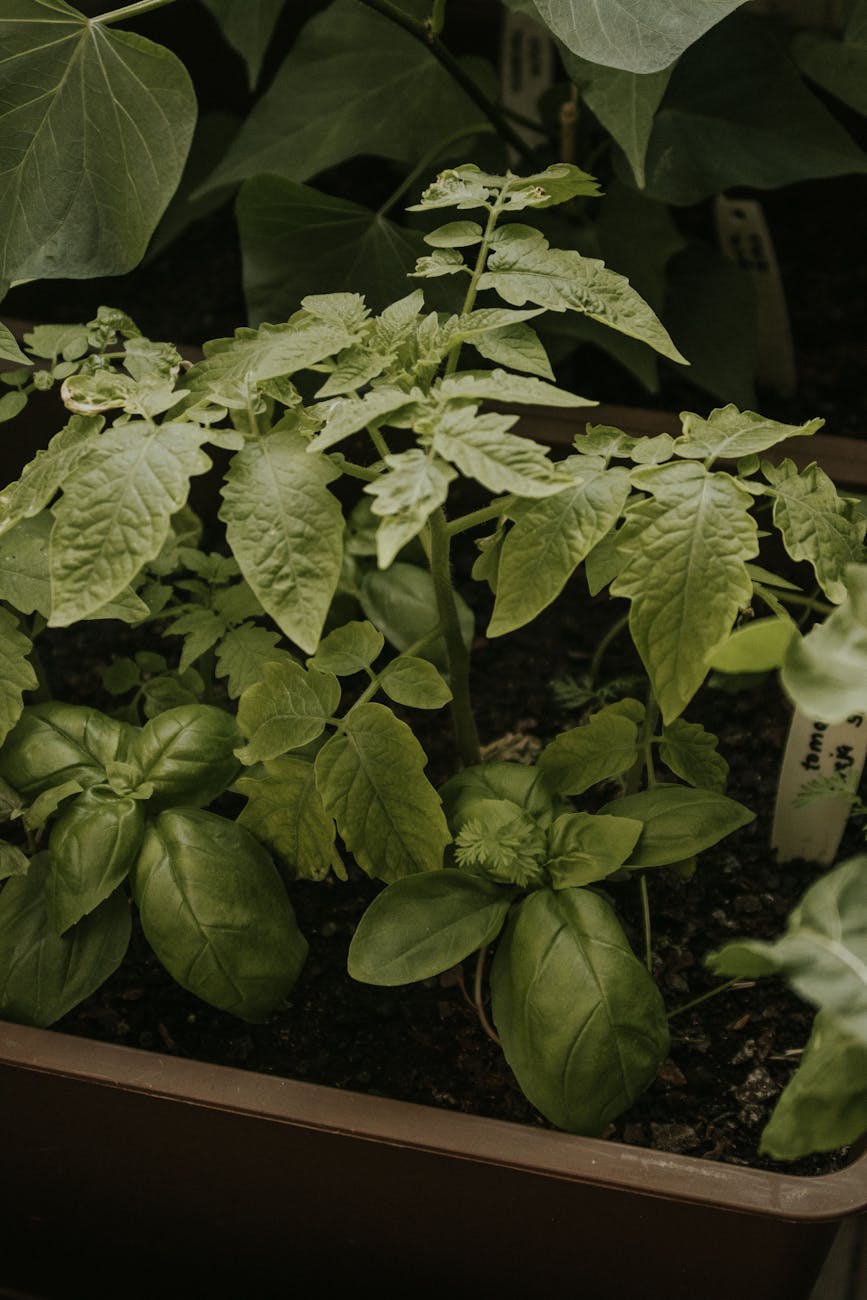
For instance, pairing heavy feeders with nitrogen fixers establishes the foundational energy supply for the entire patch. If you are growing tomatoes, which are relatively heavy feeders, pairing them with peas or beans ensures that the necessary nitrogen is cycling efficiently within the small plot. This calculated selection minimizes the need for supplemental fertilizers, keeping the system self-sustaining and resilient against external market fluctuations.
We must observe how light exposure changes based on plant density. Overcrowding can lead to light competition, where plants stunt each other’s growth by shading out essential photosynthetic surfaces. Therefore, even when maximizing yield, maintaining adequate spacing between companion plants is non-negotiable for ensuring robust individual growth. This balancing act between maximizing density and ensuring individual plant health defines expert companion planting practice. The resulting system functions not as a collection of separate plants, but as an integrated, highly efficient biological machine operating within the urban constraints.
Tags: companion planting, urban gardening, small space gardening, vegetable yields, natural pest control, urban agriculture, companion planting urban vegetables
Featured Image by Letícia Alvares on Pexels.