
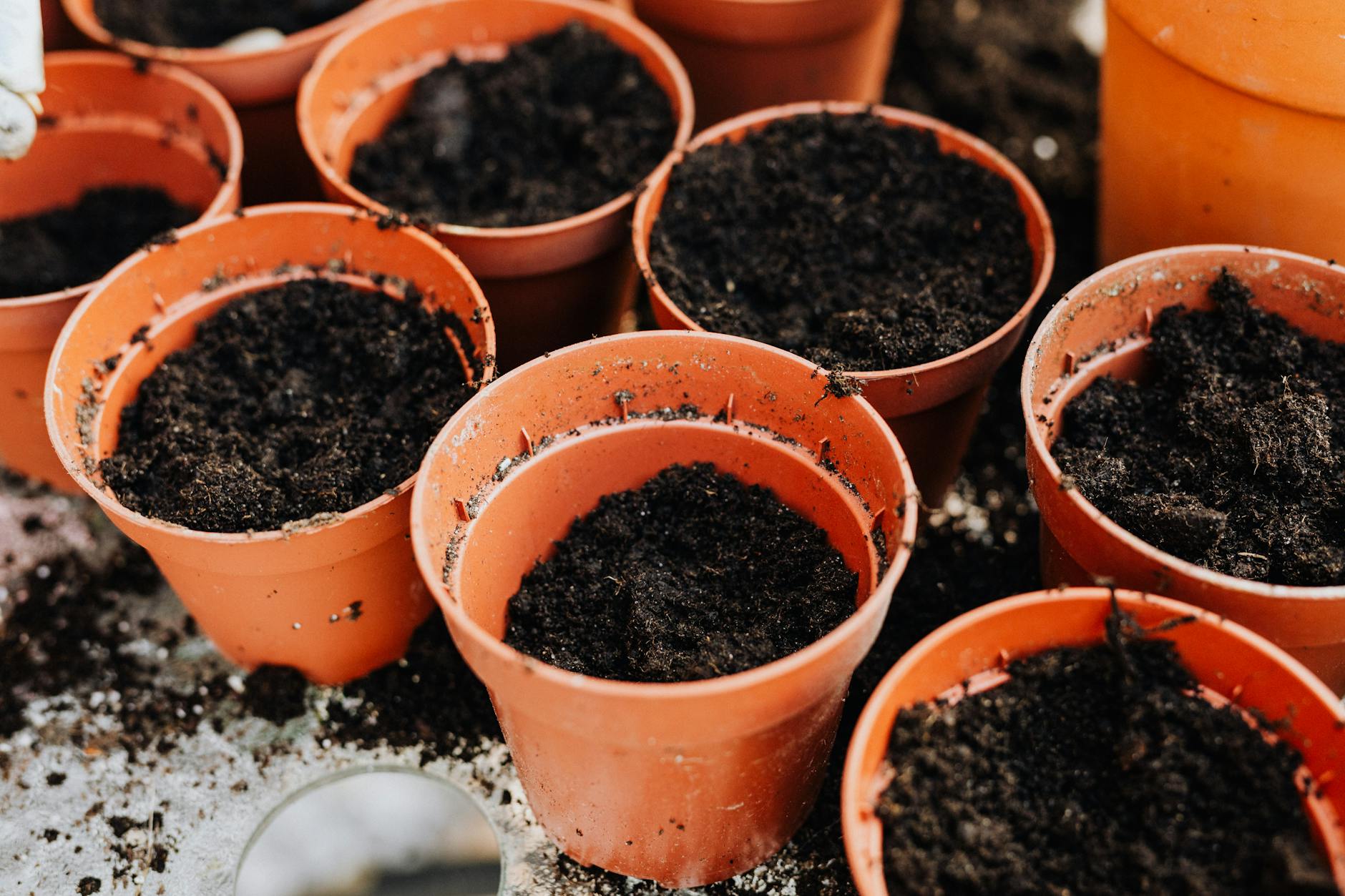
Deconstructing the Perfect Medium for Container Plants
When transitioning from traditional in-ground gardening to container cultivation, the substrate ceases to be merely dirt; it becomes a complex biological system requiring precise engineering. We observe that the limitations of a standard backyard soil mix simply do not translate effectively into a finite pot environment. The root zone dictates nutrient availability, water retention capacity, and aeration dynamics, all of which are directly controlled by the material we choose to fill those containers with. Understanding this mechanism is the first step toward optimizing yield in small spaces.
The Mechanics of Substrate Functionality
The primary function of the growing medium is threefold: nutrient delivery, water management, and physical support for root respiration. If any one of these functions is compromised, plant health rapidly degrades, irrespective of the fertilizer applied. We must engineer a blend that addresses all three simultaneously. Poor drainage leads to anaerobic conditions where roots suffocate, promoting the proliferation of detrimental pathogens like certain fungal infections in urban gardens. Conversely, overly porous, fast-draining mixes fail to hold essential moisture during dry spells, forcing excessive watering schedules that stress the plant system.
We analyze soil composition based on particle size distribution. Fine particles, like silt and clay, possess high cation exchange capacity (CEC) but impede necessary gas exchange when compacted. Coarse particles, such as perlite or coarse sand, increase macropores, facilitating oxygen diffusion to the roots. This balance determines the efficiency of nutrient uptake by the plant’s root hairs.
Formulating Optimal Container Gardening Soil Recipes
Developing custom container gardening soil recipes involves calibrating the ratio of organic matter, aeration agents, and water retention modifiers based on the specific plant type and intended growth cycle. There is no single universal recipe because a succulent requires vastly different physical properties than a leafy green vegetable.
For general edible container plants, we prioritize a structure that balances porosity and nutrient holding capacity. A robust blend typically incorporates a base of high-quality potting mix, which often contains peat or coir for initial moisture retention. Into this base, we integrate amendments to correct deficiencies in water dynamics. For instance, incorporating expanded shale or coarse vermiculite introduces necessary air pockets, preventing the substrate from becoming waterlogged when subjected to frequent watering common in container settings.
We look at the role of organic matter carefully. Compost provides a slow-release spectrum of essential micronutrients and supports beneficial microbial populations that aid nutrient cycling within the root zone. Without sufficient organic material, the soil functions merely as an inert filler, unable to provide the complex food matrix plants require for robust biomass production. Our analysis suggests that a minimum of 30% organic component is necessary for long-term viability in container environments.
Adjusting Recipes for Specific Plant Demands
The requirements shift dramatically depending on the botanical target. Root vegetables and heavy feeders, such as tomatoes or peppers, benefit from mixes rich in compost and slow-release organic matter to sustain intensive nutrient demand throughout the fruiting cycle. These plants require a substrate that can support substantial root mass without sacrificing aeration. For these demanding specimens, we might increase the ratio of aged compost to standard potting mix significantly.
Conversely, moisture-loving plants, like ferns or certain herbs, necessitate a medium with superior water-holding capacity but must still maintain adequate drainage to prevent root rot. Here, incorporating materials with high water retention properties, such as coco coir or bentonite clay, becomes more advantageous in the formula. The goal is creating a sponge-like structure that buffers against rapid moisture loss while ensuring oxygen exchange remains unimpeded.
For plants susceptible to specific environmental stresses, adjustments become even more critical. If we are managing areas where fungal infections present a constant threat—a common challenge in dense urban gardening scenarios—the substrate choice must actively promote healthy microbial balance. The physical structure of the soil directly influences water movement and air flow; therefore, optimizing this physical environment is preventative medicine. We see that creating a well-aerated matrix reduces the humidity pockets where pathogens thrive, which has implications for managing issues like Fungal Infections in Urban Gardens: Identification and Treatment.
Integrating Amendments for Enhanced Performance
Beyond the base structure, specific amendments fine-tune the nutrient delivery system. Mineral amendments must be introduced with caution; excessive salts can damage container plants by creating osmotic stress. We focus on slow-release organic fertilizers to prevent the rapid leaching of soluble nutrients that cause eventual plant burn. The mechanism involves ensuring nutrients are released incrementally as microbial activity processes the organic matter, rather than being immediately available in high concentrations.
When introducing amendments like perlite or expanded clay, we are manipulating the physical properties for aeration and drainage; this is a tangible engineering choice. A standard recommendation often dictates ratios based on volume; however, observing the soil’s initial density provides feedback on how much porosity has been successfully introduced into the matrix. This iterative process of testing and adjusting forms the core of expert container gardening.
We also examine the role of beneficial microbes. Introducing beneficial bacteria or mycorrhizal fungi spores directly into the potting medium establishes an early-stage symbiotic relationship between the soil biota and the plant roots. This inoculation primes the system to better handle nutrient acquisition and stress response, a subtle yet powerful mechanism for enhancing overall growth vigor.
The science behind successful container gardening soil recipes rests on treating the container not as a simple vessel, but as an isolated ecosystem where every material choice directly impacts the physiological processes occurring beneath the surface. We are designing the environment for optimal biological function, moving beyond simple watering and feeding toward true substrate engineering.
Tags: container gardening, soil recipes, container gardening soil, urban gardening, plant nutrition, potting mix, gardening tips
Featured Image by www.kaboompics.com on Pexels.