
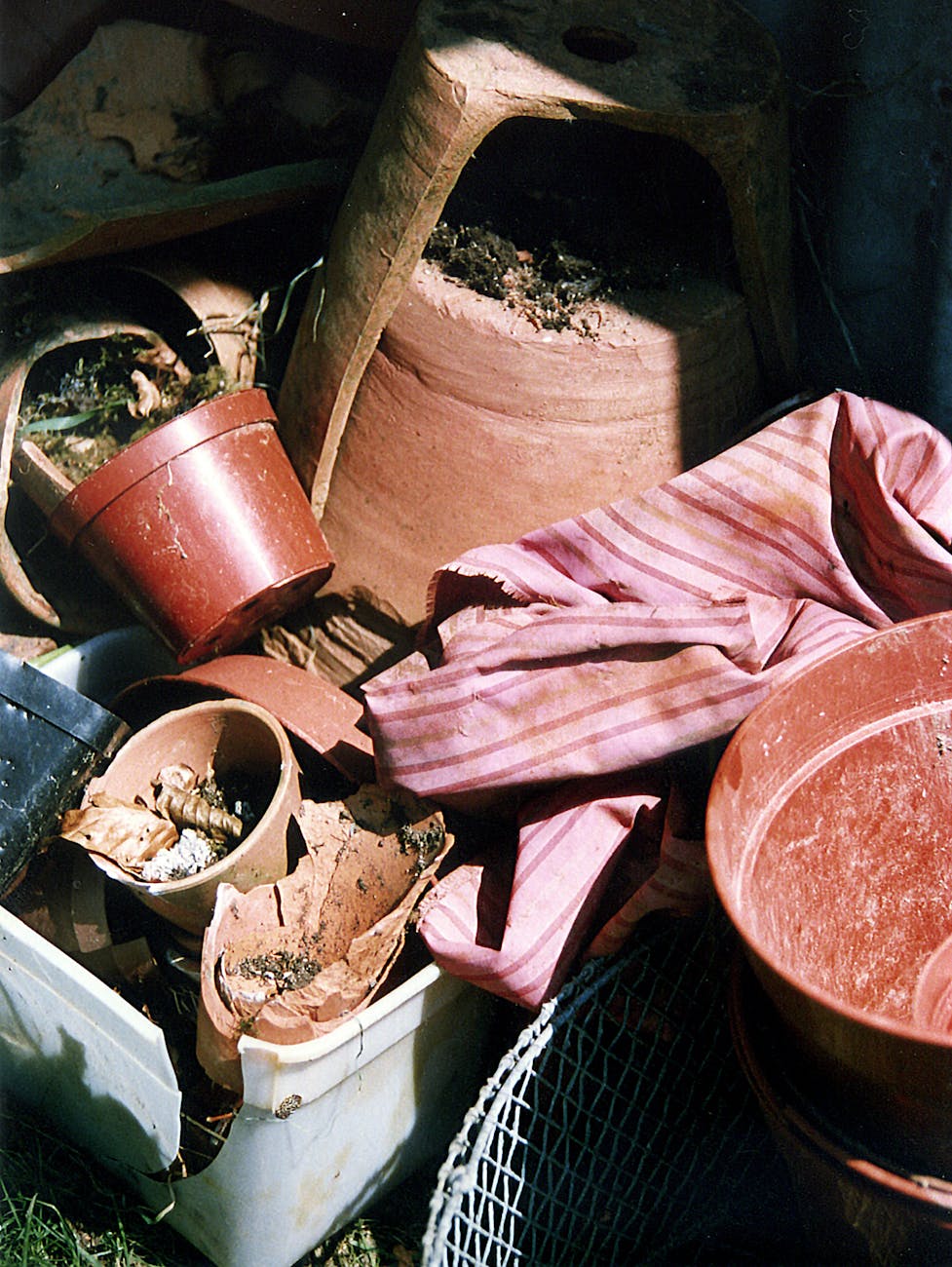
Container Material Choice: Terracotta vs. Plastic vs. Fabric
Selecting the right vessel is the foundational step in urban gardening success; this decision dictates moisture retention, root aeration, and ultimately, plant health. When you are setting up a container garden in a small urban space, understanding the material science behind terracotta, plastic, and fabric becomes critical. We observe distinct performance profiles for each material when subjected to the variable conditions of city microclimates and specific plant water demands.
Analyzing Terracotta: Porosity and Permeability
Terracotta, being a fired clay, operates on a mechanism rooted in porosity. This means the material has microscopic pores that allow water to slowly evaporate from the soil matrix into the air surrounding the pot. As plants transpire, this process of evaporation occurs through these pores, providing a natural mechanism for moisture regulation. We see that terracotta pots require more frequent watering because they facilitate faster water loss relative to less porous materials.
The thermal properties of terracotta also influence root health. Clay materials possess moderate thermal mass; they absorb and slowly release heat. This characteristic can temper the extreme temperature fluctuations common in urban environments, offering a slightly cooler substrate for roots compared to materials that conduct heat rapidly. However, this porosity necessitates careful management of watering schedules. If you water too frequently, the rapid drainage through the porous walls can lead to inconsistent moisture levels within the soil volume. We must balance aesthetic appeal against horticultural necessity when considering this container material choice.
Evaluating Plastic: Impermeability and Water Dynamics
Plastic containers offer a fundamentally different performance profile because they are largely impermeable to water. This lack of porosity means that water held within the pot is retained until it can be drawn out through the soil pores, not through the container walls themselves. For gardeners managing water conservation in densely populated areas, this impermeability presents both advantages and disadvantages.
The primary advantage of plastic lies in its superior water retention capacity compared to terracotta. When planted in dense, moisture-retaining soil mixes, plastic vessels help stabilize the soil environment, reducing unnecessary evaporative losses from the pot surface. However, this retained moisture demands stricter attention to drainage management; if the drainage holes are obstructed or inadequate, overwatering becomes an immediate threat to root asphyxiation. We must ensure that the substrate mixture itself addresses water dynamics, perhaps by incorporating amendments like Amending Poor City Soils: Worm Castings & Leaf Mold Guide to improve overall soil structure.
Assessing Fabric Containers: Breathability and Root Environment
Fabric grow bags represent a solution based on maximizing surface area and breathability. The woven nature of these materials allows for significant gas exchange between the roots, the growing medium, and the surrounding atmosphere. This high permeability is excellent for root respiration, preventing the anaerobic conditions that can develop in poorly aerated soil masses.
Fabric containers excel where root health depends heavily on oxygen availability. They allow the substrate to breathe naturally, which is a significant mechanical advantage when dealing with dense urban planting schemes. The trade-off here involves structural integrity and long-term material degradation. Depending on the weave density and the type of fabric used, these systems must be selected carefully to withstand consistent soil weight without tearing or degrading rapidly from prolonged exposure to moisture cycles. We find that the choice of fabric dictates how effectively you can manage the root environment.
Practical Implications for Urban Gardening Systems
The decision process moves beyond simple material characteristics into the operational realities of small-scale urban gardening. Consider the scale of your operation; a balcony setup versus a small yard demands different approaches to water management based on your container material choice.
If you are experimenting with dense planting, fabric bags allow maximum root interaction with the medium. This approach pairs well with systems designed for maximizing space utilization, such as DIY Vertical Gardening Systems for Small Urban Spaces, where maximizing vertical growth requires excellent substrate aeration. Conversely, if aesthetic considerations strongly favor traditional materials or if you manage watering manually and precisely, terracotta offers a tactile connection to the growing process.
The choice of container material directly interacts with how you amend your soil. A highly porous pot like terracotta will benefit immensely from well-aerated soil amendments, whereas a less porous plastic vessel might require more deliberate soil building to ensure roots have sufficient access to moisture reserves. We are observing that the material acts as an intermediary, influencing the rate of interaction between the root system and the surrounding environment.
Synthesis: Matching Material to Method
Ultimately, there is no single superior container material; effectiveness is contextual. The optimal selection hinges on your goals for water management, desired root environment, and long-term maintenance commitment.
Plastic provides stability and high retention for those who prioritize moisture conservation and manage drainage strictly. Terracotta offers a traditional aesthetic while encouraging moderate evaporative cooling. Fabric maximizes biological exchange, promoting superior aeration essential for thriving root systems in confined spaces.
When designing your urban garden plot, assess the interplay between the vessel and the growing medium. Understand that the material choice dictates the physical relationship between water, air, and the roots below. Moving forward, focus not just on what the container is, but how it functions within your specific environmental constraints. This analytical perspective shifts the focus from simple preference to engineering an optimal growing environment.
Tags: urban gardening, container materials, gardening tips, terracotta pots, plastic planters, fabric grow bags, small space gardening
Featured Image by Pam Crane on Pexels.