
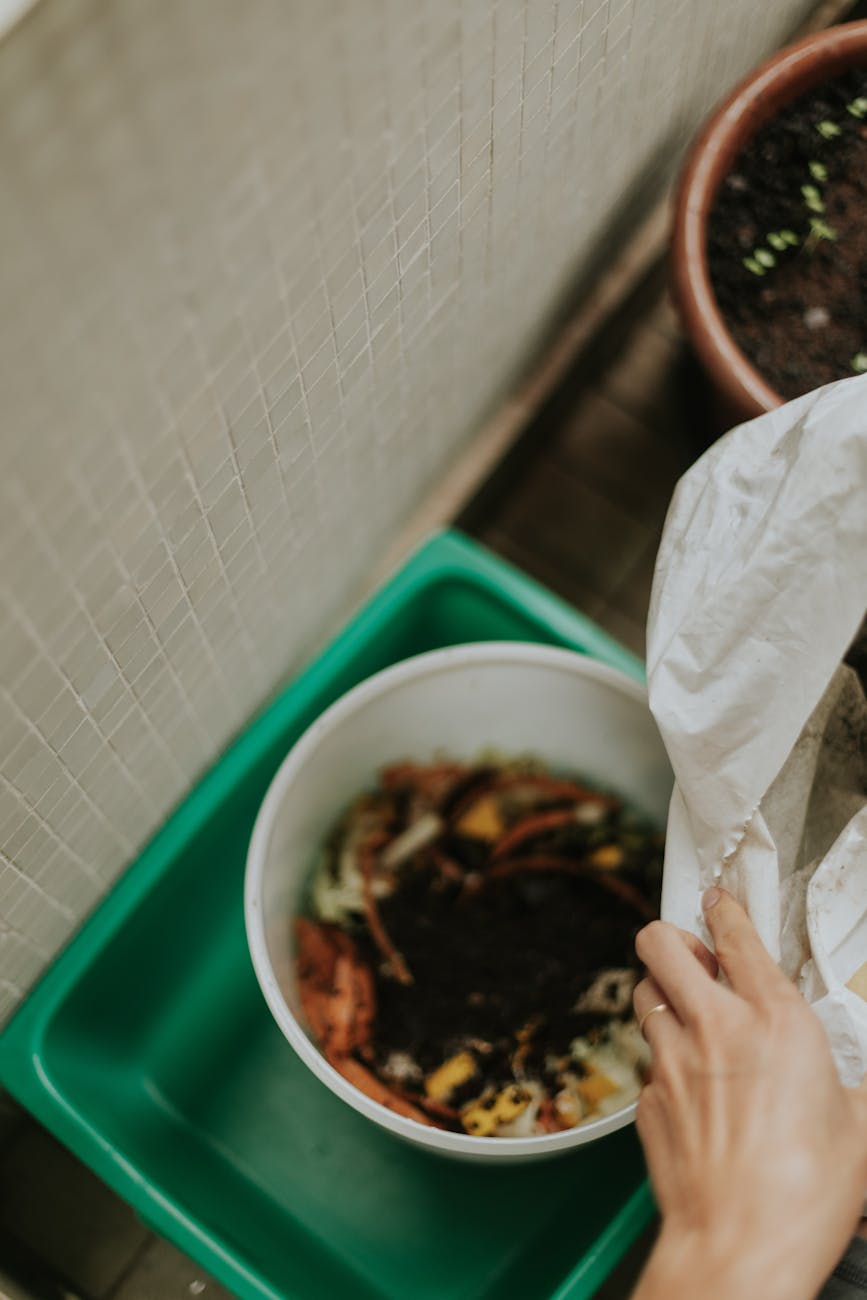
Turning Kitchen Waste into Soil: Mastering Urban Composting Systems
The reality of living in a dense urban environment presents unique constraints for food waste management. Space is at an absolute premium, and traditional composting methods often seem impractical when dealing with limited yards or small balconies. However, we observe that the principle of nutrient cycling remains entirely applicable, regardless of the physical footprint available. We are looking to bridge the gap between kitchen refuse and garden productivity in these constrained settings. This necessitates exploring systems designed explicitly for high-density environments.
The Mechanics of Urban Composting Needs
Effective composting is fundamentally a controlled decomposition process. It relies on establishing an optimal balance between carbon-rich materials (greens) and nitrogen-rich, carbon-poor materials (browns). When we consider small urban spaces, the primary challenge shifts from managing large piles to managing the input stream efficiently. Understanding the ratios dictates the rate of microbial activity and the final quality of the compost produced.
We see that standard backyard composting often fails in apartment settings due to concerns over odor, pests, and space consumption. Therefore, alternative systems emerge as necessary solutions. These methods manage the decomposition process internally, keeping the biological activity contained and manageable within small footprints. The goal is to accelerate the conversion of organic matter into humus without creating an external waste management headache.
Worm Bin Systems: Bio-Digestion in Miniature
Vermicomposting, utilizing composting worms like Red Wigglers, offers a highly effective pathway for urban composting small space gardening. These systems operate through direct biological breakdown within a contained environment. The worms ingest organic material, and symbiotic microorganisms residing in their gut actively break down the complex polymers into nutrient-rich castings.
The process demands specific environmental parameters. Moisture content must be maintained consistently, typically around 60%—damp, not saturated. Temperature regulation is another critical variable; optimal ranges for most composting worms hover between 55°F and 75°F. When we observe the data on worm bin performance, consistent moisture and aeration are directly correlated with faster, cleaner decomposition rates. A well-managed worm bin functions as a miniature bioreactor, processing scraps into a potent amendment.
Setting up these bins requires careful consideration of material input. Kitchen scraps, vegetable trimmings, and coffee grounds serve as the primary feedstock. The key is avoiding high concentrations of meat, dairy, or heavily oiled materials, as these can disrupt the microbial balance and lead to anaerobic conditions within the bin structure. We must focus on creating a steady stream of suitable material for this biological engine to operate efficiently over time.
Bokashi: Fermentation as Pre-Composting
Bokashi introduces an entirely different mechanism for managing food waste, focusing on anaerobic fermentation rather than aerobic decomposition. This method utilizes an inoculant—a mixture of beneficial microorganisms—to pickle and ferment the organic matter in an airtight container. This step effectively neutralizes pathogens and breaks down materials that would otherwise decompose slowly or emit strong odors when left exposed.
The Bokashi process is a necessary preparatory step for subsequent soil integration. The material is layered with the inoculated bran, which acts as the catalyst for the fermentation. After several weeks of anaerobic fermentation, the material is not yet fully composted; it exists in a pickled state. This fermented material must then be buried or mixed into a larger composting system where aerobic bacteria can complete the decomposition process.
This two-step approach addresses the limitations of small spaces effectively. The Bokashi step manages the initial breakdown and odor issue internally, making it suitable for kitchens with minimal outdoor space. The subsequent aerobic composting stage takes over the heavy lifting of final material maturation. We see this sequence allows us to effectively utilize food waste where traditional methods struggle with spatial constraints.
Integrating Composting into Small Urban Designs
The success of urban composting small space gardening hinges on integrating the process seamlessly into the living environment. Whether utilizing worm bins or Bokashi, the output—rich, dark material—must be cycled back into the garden. This creates a closed-loop nutrient system that maximizes the utility of every discarded item.
Consider how this compost feeds container plants. When you use worm castings or finished Bokashi material, you are directly supplying the root zone with readily available, balanced nutrients. This dramatically reduces the reliance on external, often costly, bagged fertilizers. We observe that plants grown in these enriched mediums exhibit superior vigor and disease resistance compared to those receiving standard commercial amendments alone.
For those focusing on growing edibles vertically or in containers, the quality of the substrate becomes paramount because there is no deep soil buffer to compensate for poor nutrition. Think about maximizing vertical space; systems like Vertical Gardening Wonders: Maximize Flowers in Small Urban Spaces (https://twigharbor.com/vertical-gardening-flowers-urban-spaces-4/) require extremely healthy, nutrient-dense growing media to support the dense root systems effectively. A weak substrate limits the potential of even the most ambitious vertical designs.
Analyzing Space Constraints and Yield Potential
The physical reality of urban gardening dictates that yield per square foot is the ultimate metric. When space is limited, maximizing the productivity of every available inch becomes an exercise in efficiency. Container gardening, for instance, demands superior feeding strategies because the medium itself is a finite resource. We must manage water, light exposure, and nutrient delivery with surgical precision.
Container systems thrive when the soil structure remains loose and highly biologically active. The organic matter we introduce through composting directly influences this texture and microbial density. A composted base provides the necessary porosity that allows roots to breathe and access water efficiently. When people focus on maximizing yields with container gardening (https://twigharbor.com/maximize-yields-container-gardening-balcony/), they are essentially optimizing their nutrient delivery system right at the source.
We find that systems designed for small spaces operate under principles of intensity rather than volume. Instead of trying to replicate a large garden, we focus on intensive feeding cycles within tight boundaries. This necessitates understanding how quickly organic matter can be processed into usable forms. Worm bins and Bokashi are tools that facilitate this rapid nutrient cycling, turning potential waste into immediate growing assets for the urban dweller. The resulting compost is not just dirt; it is concentrated biological energy ready to fuel highly productive small-scale cultivation.
Tags: urban gardening, worm bin, bokashi, small space composting, apartment gardening, composting tips, indoor composting
Featured Image by Letícia Alvares on Pexels.