
Deciphering the Visual Differences Between Aphids and Whiteflies
When managing small urban gardens, rapid, accurate pest identification dictates the entire control strategy. Mistaking one pest for another can lead to ineffective treatments and unnecessary chemical applications. We observe from the field that aphids and whiteflies, while both sap-feeding insects causing significant damage, exhibit distinct morphological differences that allow for precise diagnosis. Understanding these subtle variations is the first critical step in implementing effective organic control methods for your space.
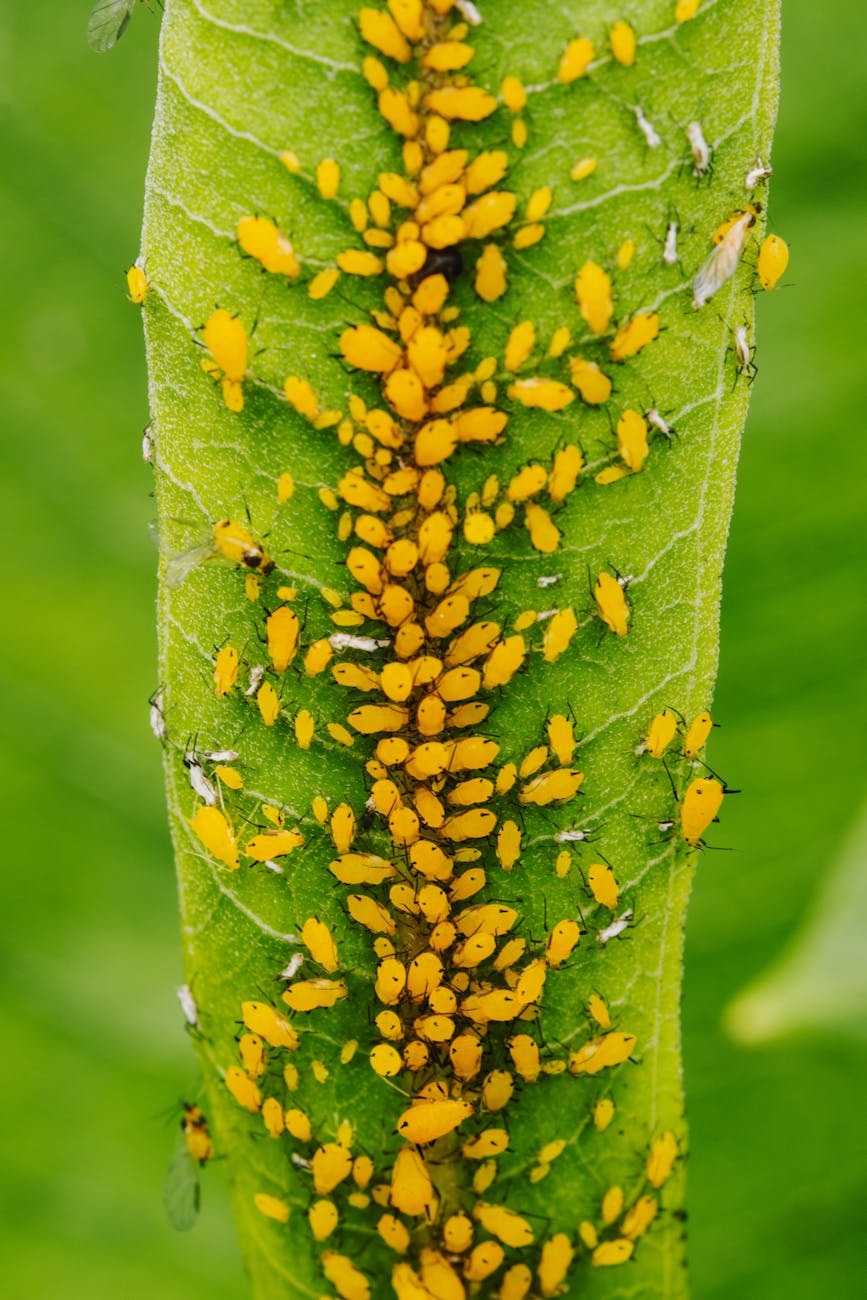
Aphids present a distinctly different physical profile. These insects are typically characterized by their pear-shaped or oval bodies, often exhibiting a dull green, yellow, or sometimes reddish coloration depending on the specific species and nutritional status of the host plant. Their most defining feature is their clustered habit; they congregate tightly on new growth tips, tender stems, and the undersides of leaves where the sap flow is concentrated. We see the presence of visible, often sticky-looking honeydew—a sugary excretion left behind as they feed—on the affected foliage. This collective feeding behavior creates noticeable, localized deformation on the plant tissue.
Whiteflies present a fundamentally different infestation pattern. These tiny insects are notoriously difficult to spot without magnification; they appear as minute, pale, pearly specks, often clustered in dense aggregations, particularly on the undersides of leaves or among the fine hairs of stems. Unlike aphids, whiteflies generally do not cause the same level of visible physical deformation when present in moderate numbers. Their feeding mechanism involves piercing plant cells to suck out cytoplasmic contents, which results in a subtle but persistent chlorosis—a yellowing—of the affected tissue over time. The scale of the damage is less obvious initially, demanding closer inspection of the foliage structure itself.
Analyzing Pest Damage Mechanisms
The way each pest interacts with plant physiology dictates the appropriate intervention strategy. Understanding these underlying biological processes allows us to move beyond simple identification toward targeted management. Aphids actively excrete honeydew, a sticky substance composed primarily of sugars and amino acids. This honeydew promotes the growth of secondary fungal infections, such as sooty mold, which further impedes photosynthesis by blocking light absorption from the leaves. This secondary effect is a crucial observation when assessing aphid damage severity.
Whiteflies operate via direct cellular feeding. They create microscopic wounds as they ingest plant fluids, leading to nutrient depletion in the affected cells. When an infestation becomes severe, this cellular disruption impairs the plant’s ability to photosynthesize efficiently. Our analysis suggests that managing whiteflies often requires addressing the underlying stress rather than just treating the visible insect population. This distinction is vital for long-term garden health in small urban settings.
Implementing Organic Control Protocols
Once the identification is established, the application of control agents must be tailored specifically to the pest’s biology and the environment of your urban space. Chemical interventions carry risks that are often unacceptable when cultivating food-adjacent environments or using organic practices. Therefore, we focus on biological and physical controls for managing aphids vs whiteflies urban gardening pests.
For aphid management, introducing beneficial predatory insects proves highly effective. Ladybugs, lacewings, and parasitic wasps naturally regulate aphid populations by consuming the pest directly. Encouraging these natural predators requires providing appropriate habitat within your garden structure, perhaps through flowering companion plants that support their lifecycle. Physical removal is also an immediate option; a strong jet of water can physically dislodge large numbers of aphids from leaves.
When dealing with whiteflies, the focus shifts toward creating an unfavorable environment for their proliferation. Since they thrive in dense, humid conditions, improving air circulation around your plants becomes a primary mechanical adjustment. Reducing excessive moisture accumulation directly discourages their breeding cycles. Cultivating dense foliage, perhaps by utilizing techniques like Vertical Living Walls: DIY Gardening for Small Urban Spaces, can help create microclimates that are less hospitable to these soft-bodied pests.
Environmental Factors and Habitat Selection
The success of any pest control strategy hinges on understanding the environmental context. In small urban gardens, proximity to other living structures profoundly influences pest dynamics. The density of foliage and the level of moisture retention act as significant determinants for both aphid and whitefly populations. High humidity levels accelerate the reproductive rate for many soft-bodied insects alike.
Consider how you structure your planting areas. Plants grown in tight proximity benefit from shared environmental stress, which can sometimes deter pests, but excessive density creates ideal feeding runways for aphids. Conversely, optimizing plant spacing allows for better air exchange, mitigating the high humidity that favors whitefly development. When implementing vertical gardening wonders, maximizing light exposure and ensuring good airflow across the entire growing surface directly influences pest pressure.
Integrated Management Strategies for Urban Spaces
Effective management of these common urban garden adversaries requires an integrated approach, blending observation with proactive intervention. We must treat the symptom while addressing the root cause within the constraints of a small space.
For aphids, maintaining plant vigor through balanced fertilization supports the plant’s immune response, making it naturally more resistant to minor pest attacks. A healthy plant can better withstand low levels of feeding pressure. For whiteflies, focusing on preventative habitat modification is key; ensuring good air circulation and managing water runoff disrupts the necessary conditions for their sustained presence.
We observe that when managing pests in confined urban settings, a holistic view proves superior to single-action responses. This necessitates continuous monitoring—checking leaf undersides regularly—to track population shifts. This observational data informs decisions about where to introduce beneficial insects or adjust watering regimes. Successfully navigating the dynamics of aphids vs whiteflies urban gardening pests means recognizing that the environment dictates the pest’s success, and we must manipulate that environment rather than just applying a single treatment.
Tags: urban gardening pests, aphids identification, whitefly control, organic pest control, small space gardening, garden pests, pest management
Featured Image by K on Pexels.