
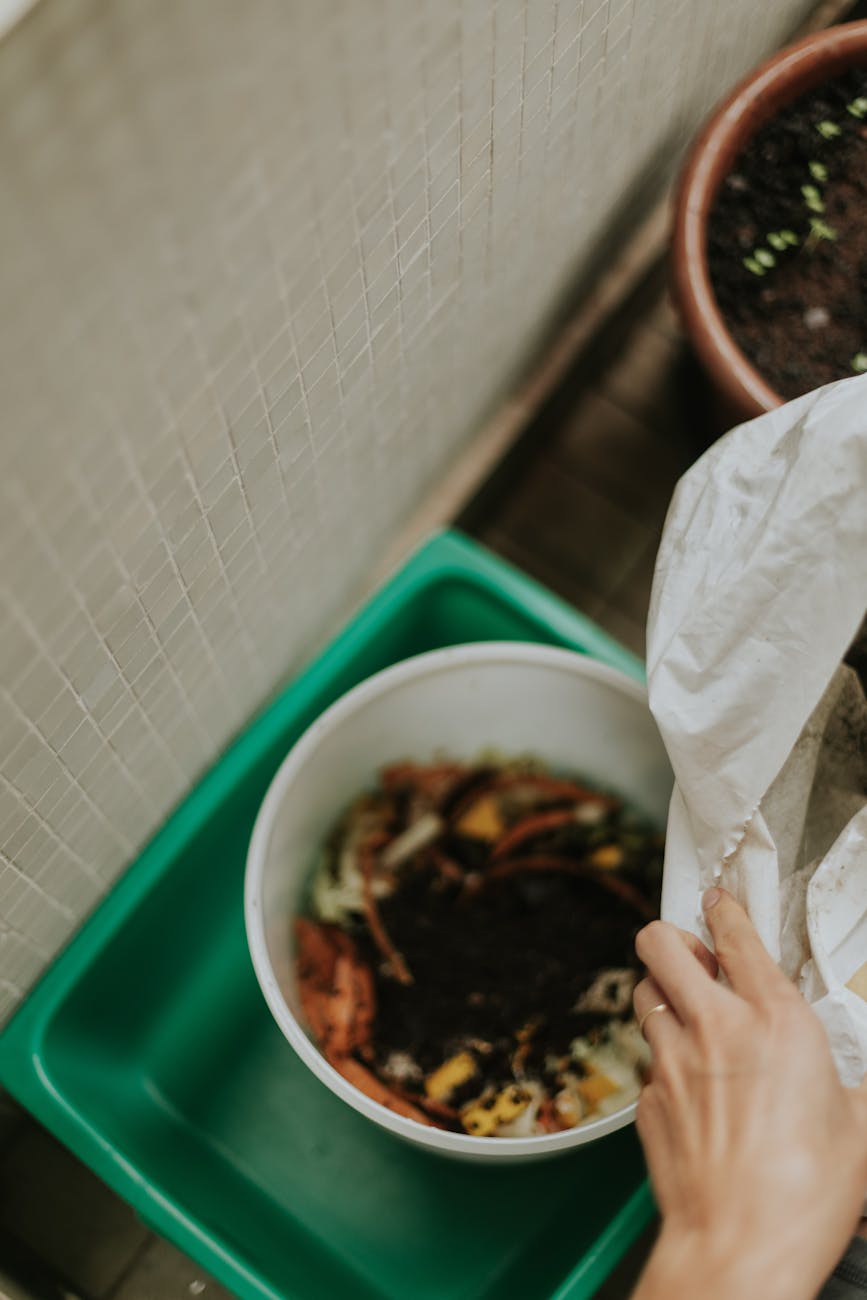
Building a Self-Sustaining Nutrient Cycle on Your Balcony
The desire to cultivate fresh produce in limited urban spaces often leads gardeners toward intensive systems. When space constrains traditional soil beds, diverting organic waste into a productive system becomes an efficient mechanism for resource cycling. This is where the concept of vermicompost urban gardening emerges as a highly viable, compact solution for balcony and patio environments. We are not simply composting; we are engineering a biological process that transforms low-value kitchen refuse into high-value soil amendment, all while managing waste responsibly in a dense setting.
Understanding the Vermicomposting Mechanism
Vermicomposting relies on the metabolic activity of specific earthworms, typically Eisenia fetida or similar species, to break down organic matter. These invertebrates ingest food scraps—fruit peels, vegetable trimmings, coffee grounds—and process them through their digestive tracts. Inside these systems, specialized microorganisms thrive, accelerating the decomposition rate and transforming complex organic polymers into stable, nutrient-dense humus. We observe that this process generates two primary outputs: worm castings, an exceptionally rich soil amendment, and leachate, a nutrient-rich liquid byproduct.
The key to successful vermicomposting lies in maintaining optimal environmental parameters for the worms. Temperature regulation is paramount; worms operate optimally within a specific thermal range, and deviations can drastically slow or halt microbial activity. Moisture content must be carefully monitored; the bedding needs consistent, dampness without becoming waterlogged, preventing anaerobic conditions which inhibit the necessary breakdown processes. We see that managing these physical variables dictates the speed at which nutrient conversion occurs.
Setting Up Your Worm Habitat on a Small Scale
Establishing an effective worm farm requires constructing a system that balances accessibility with containment. For small urban gardening setups, vertical or contained systems prove most practical for balcony environments. Simple, tiered wooden crates or specialized plastic bins provide sufficient volume for the necessary biological activity without demanding excessive floor space. The structure must allow for easy access to introduce feedstock and monitor the health of the worms themselves.
We must consider the relationship between your plant growth goals and your waste stream management. If you are focused on container gardening, understanding nutrient delivery is critical. The resulting worm castings offer a slow-release mechanism for essential macro- and micronutrients, bypassing the need for synthetic fertilizers in many instances. This direct method of recycling minimizes external inputs and maximizes the use of available resources within the urban ecosystem.
Feedstock Management: What Worms Prefer
The quality and composition of the input materials directly influence the quality of the final compost. Worms process carbon-rich materials effectively, but the balance must be managed to prevent imbalances. We find that a diet heavy in citrus peels, vegetable scraps, and coffee grounds provides an excellent substrate for microbial action within the worm bin. Avoid introducing high concentrations of fatty or heavily processed foods; these can disrupt the worm’s digestive physiology and lead to system stagnation.
When integrating this system with your gardening plan, consider how waste management intersects with plant health. For instance, ensuring that any introduced materials are free from chemical residues is essential for creating safe amendments. When managing pest pressures in urban settings, understanding the substrate ecology becomes relevant; a healthy worm population often acts as a natural regulator of microbial balance within the bin itself. Understanding common urban pests, such as aphids versus whiteflies, requires an awareness of the overall biological environment you are cultivating.
Harvesting and Utilizing Vermicompost
Once the worms have processed the organic matter, the resulting castings require careful harvesting. The goal is to separate the valuable worm biomass from the bedding material. This process involves gently sifting the contents, separating the rich, dark castings from the spent bedding. These castings possess a significantly higher concentration of beneficial microorganisms and humic acids compared to standard composts.
We observe that applying these castings directly to potting mixes enhances water retention capacity and provides a steady supply of slow-release nutrients for container plants. Introducing vermicompost into smaller pots allows for concentrated nutrient delivery, which is particularly advantageous when space is limited. This contrasts with traditional methods where bulk compost may require greater dilution or adjustment based on soil type.
Integrating Vermicompost into Urban Planting Strategies
The benefits extend beyond simple fertilization; the worms actively contribute to improving the physical structure of the growing medium. The castings introduce beneficial fungal and bacterial populations that enhance soil aeration and water infiltration rates. When planting in small containers, this improved substrate density supports healthier root development, which is fundamental to successful cultivation on a balcony scale.
When planning your container arrangement, remember that optimizing light exposure plays a role alongside nutrient supply. For instance, maximizing sunlight exposure requires careful consideration of container placement relative to neighboring structures or plants, as light intensity dictates the rate of photosynthesis and, consequently, the plant’s demand for resources. Integrating this biological input with physical structure considerations forms the basis of successful urban gardening design.
Troubleshooting Common Vermicomposting Issues
System maintenance requires constant observation. A common issue arises when the composting environment becomes overly saturated, leading to anaerobic decomposition inside the bin. This signals a need to adjust moisture levels immediately by adding drier bedding material until equilibrium is restored. Temperature fluctuations also necessitate monitoring; consistent thermal stability promotes steady worm activity.
If you notice a significant reduction in worm activity or visible signs of disease, this usually points toward an imbalance in the input diet or environmental stress. A sudden decline in output suggests that the feedstock might be too fibrous or lacking in nitrogen-rich materials necessary to sustain the microbial colony within the worms’ guts. We must analyze the flow: if the system is producing little, we need to review the rate of material introduction and the physical environment.
Scaling Up Nutrient Cycling Awareness
The practice of vermicompost urban gardening demonstrates a powerful principle: closed-loop systems thrive in confined spaces. By effectively managing organic waste as a resource input rather than a disposal problem, gardeners establish an internal cycle. This approach shifts the paradigm from external purchasing of soil amendments to internal resource generation. Understanding this biological feedback loop allows for more resilient and sustainable balcony ecosystems. The resulting humus is not just dirt; it is living, active organic matter that directly supports plant vitality in challenging urban settings.
Tags: vermicomposting, urban gardening, balcony composting, worm farm, small space gardening, composting DIY, indoor composting
Featured Image by Letícia Alvares on Pexels.