
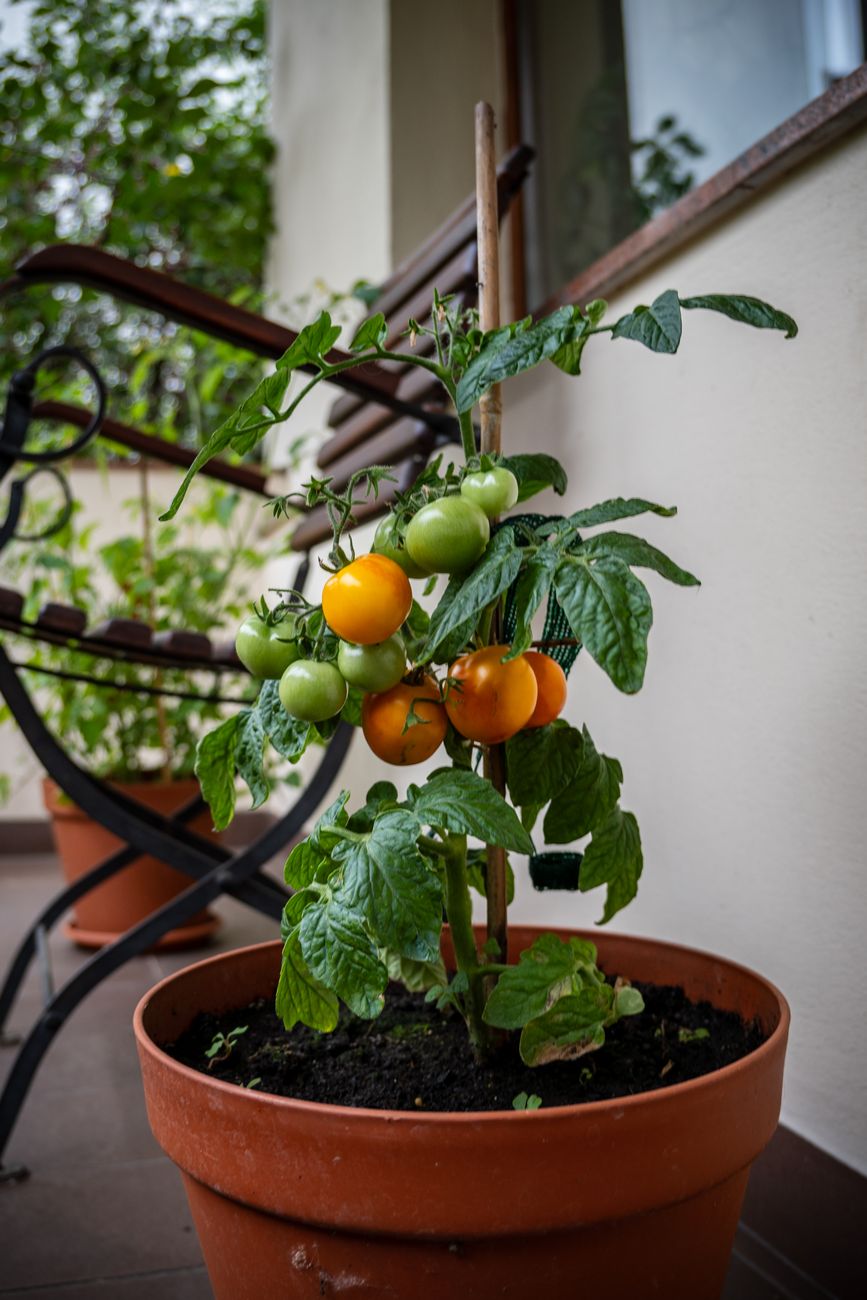
Mastering Microclimates: Optimizing Conditions for Container Growth
When you move cultivation from traditional soil beds to balcony containers, you fundamentally change the environmental dynamics you are managing. The substrate is no longer just dirt; it becomes a dynamic system where temperature fluctuation, moisture retention, and nutrient availability are dictated entirely by your container setup and immediate surroundings. We observe that maximizing the potential of balcony vegetable gardening requires treating the balcony not as an extension of the ground, but as a distinct microclimate demanding specific environmental calibration.
The sheer density of urban environments means heat sinks behave differently up high, and wind exposure can accelerate evapotranspiration rates considerably compared to ground-level planting. Understanding these physical mechanisms allows us to predict plant behavior before problems manifest. For example, containers exposed to direct afternoon sun will experience significantly higher root zone temperatures, demanding more frequent water replenishment than shaded counterparts. This differential thermal load directly impacts nutrient uptake kinetics; roots must work harder to maintain turgor pressure when the surrounding air is hot and dry.
Selecting the Right Vessel Geometry
The physical dimensions and material of your container dictate how effectively you can manage these microclimates. A common mistake novice gardeners make is selecting containers based solely on aesthetic preference rather than horticultural necessity. We must consider water retention capacity versus root aeration simultaneously. Shallow, wide containers encourage rapid surface drying, forcing plants to adjust their water uptake patterns aggressively. Deeper pots allow for a more stable moisture reservoir, buffering against short-term dry spells that are common in windy balcony settings.
We analyze the relationship between container volume and plant root mass. Root systems require adequate volume to develop the necessary architecture for efficient nutrient exploration within the medium. When selecting your containers, consider the porosity of the material itself; terracotta, while aesthetically pleasing, has a lower water retention capacity than high-quality plastic or glazed ceramic, necessitating more vigilant watering schedules. Choosing pots based on proper drainage channels is non-negotiable; stagnant water at the bottom creates anaerobic conditions, which suffocates roots and promotes pathogenic proliferation. For detailed considerations on material science and geometry, reviewing guides on [Choosing Pots for Container Gardening & Urban Flowers] provides a solid framework for this initial assessment.
Soil Mediums: The Engine of Nutrient Delivery
The growing medium is where all chemical and physical processes of nutrient exchange occur. Standard garden soil simply cannot be effectively used in containers; it compacts too readily, restricting root respiration and impeding necessary gas exchange with the roots. Therefore, container gardening necessitates the construction of an engineered substrate designed for aeration and water management. We observe that a successful potting mix must balance water holding capacity with excellent drainage capabilities.
Our analysis shows that amending standard potting mixes with organic matter is crucial; this increases the cation exchange capacity (CEC), allowing the growing medium to effectively hold essential mineral ions for plant uptake. Incorporating materials like perlite or coarse sand into the mixture addresses the aeration deficit, preventing the dense compaction that suffocates root systems. This physical porosity allows oxygen diffusion necessary for aerobic microbial activity, which is the foundation of nutrient cycling in the pot. Neglecting this structural modification means relying solely on external fertilizers, an unsustainable approach for optimal balcony vegetable gardening.
Strategic Plant Placement and Companion Dynamics
The arrangement of plants on a balcony is not arbitrary; it is a deliberate strategy to manage light exposure and resource competition. Understanding photoperiodism—the plant’s response to light duration—is key when planning your vertical space. Plants with high light demands, such as tomatoes or peppers, require direct, intense sunlight, often necessitating placement in the sunniest, most exposed sections of the balcony. Conversely, leafy greens thrive in slightly less intense, dappled light conditions, which can be achieved by placing them near taller companions that offer some afternoon shade.
Companion planting introduces a layer of ecological efficiency into container systems. By strategically grouping species, we manipulate the micro-environment around each plant, reducing stress and mitigating pest pressure naturally. Certain herbs release volatile organic compounds that can repel common garden nuisances. Observing how beneficial interactions occur between plants helps us optimize resource allocation across the entire growing area. This spatial arrangement directly influences the efficacy of the entire system.
Hydration Protocols: Managing Transpiration Rates
Watering becomes a daily management task rather than an infrequent event when cultivating vegetables in containers, primarily because evapotranspiration rates are dramatically elevated on open balconies. The surface area to volume ratio in pots means water loss through evaporation and transpiration occurs much faster than in the ground. We must move away from scheduled watering based on calendar days and adopt a sensor-based or moisture-level assessment strategy instead.
The objective is to maintain consistent soil moisture tension without inducing waterlogging, a common pitfall when managing high-water-demand crops like beans or cucumbers. Allowing the top inch of substrate to become dry signals the need for irrigation; letting it become bone dry risks irreversible root damage and slows metabolic function until recovery occurs. The mechanism here involves monitoring the volumetric water content of the soil to ensure that the soil moisture tension remains within an optimal range that supports nutrient transport while preventing osmotic stress on the roots. This precise calibration is what separates thriving container gardens from struggling ones.
Pest and Disease Prevention: Proactive System Maintenance
In a confined space, pest and disease outbreaks escalate rapidly because the environmental conditions often favor pathogen proliferation. High humidity trapped by dense foliage, combined with stagnant water in saucers or consistently warm temperatures, creates an ideal incubator for fungal pathogens. We see this pattern repeatedly when managing indoor and balcony vegetable cultivation.
The prevention strategy relies heavily on preemptive hygiene and environmental control rather than reactive chemical intervention. Maintaining excellent airflow around the containers is paramount; stagnant air pockets promote spore germination. Furthermore, monitoring foliage daily allows for early detection of symptoms like discoloration or spotting, enabling immediate isolation before infestation becomes systemic. When dealing with common issues like powdery mildew or early blight, understanding the causal mechanism allows for targeted response. For instance, addressing fungal issues often requires managing moisture levels and improving airflow to interrupt the necessary conditions for fungal growth, which is why practices focusing on environmental control are more effective than broad-spectrum applications alone. This proactive approach secures the integrity of your harvest and the health of your small urban ecosystem.
Tags: balcony gardening, container gardening, urban gardening, vegetable growing, flavor maximization, small space gardening, companion planting
Featured Image by Michał Robak on Pexels.