
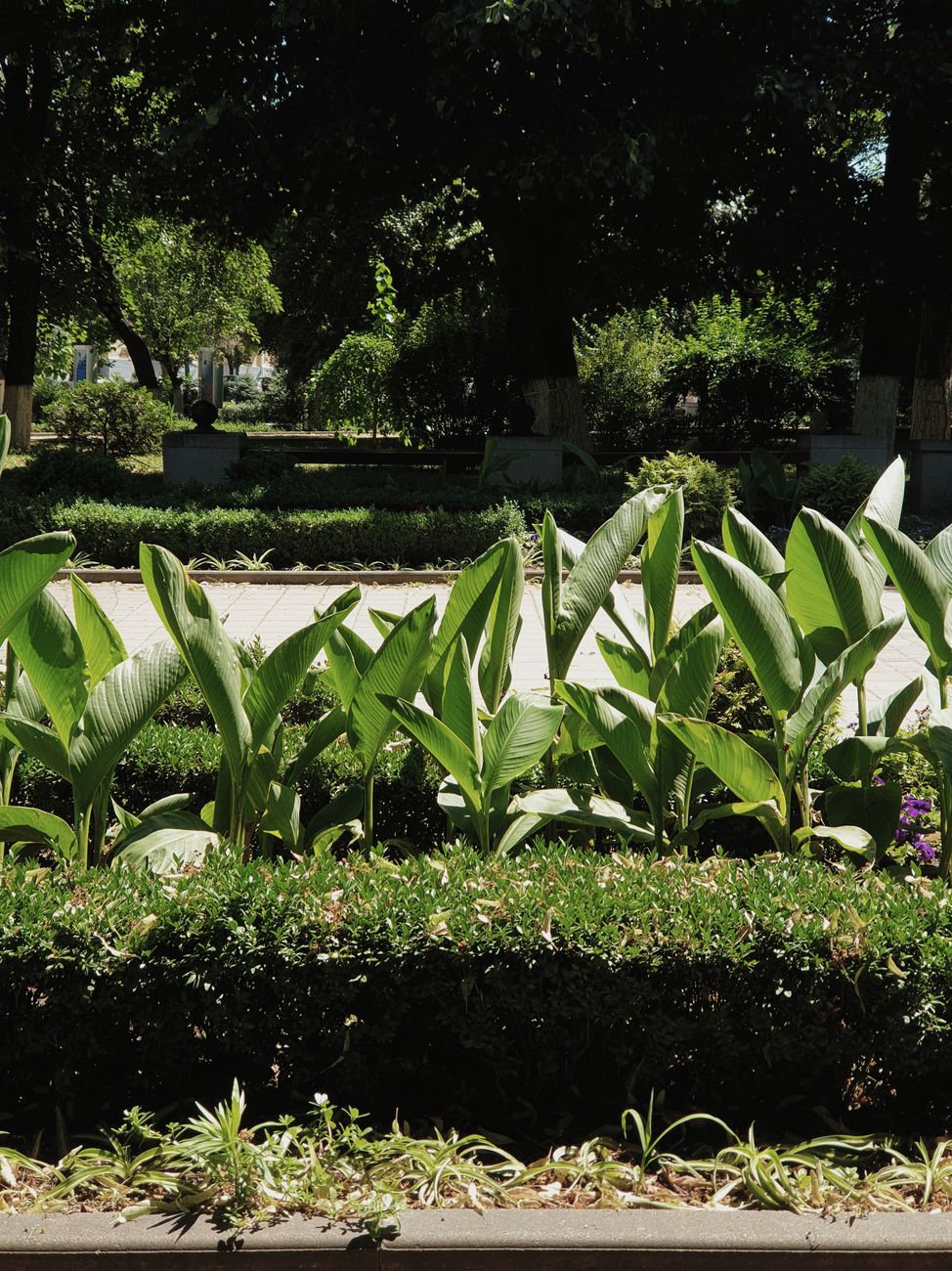
Deconstructing Your City Plot: Understanding the Urban Microclimate
When we approach gardening in dense urban environments, the foundational element shifts from simple horticultural knowledge to complex environmental physics. Success in small-scale city gardening is not about ignoring nature; it is about actively mapping and manipulating the specific conditions dictated by your immediate surroundings. We are dealing with an urban gardening microclimate, a localized atmospheric zone where temperature, moisture retention, air movement, and solar exposure are constantly being modulated by surrounding concrete, buildings, and foliage. Understanding this dynamic is the first critical step in moving from hopeful planting to predictable, high-yield cultivation.
The Mechanics of Solar Exposure in Urban Settings
Solar radiation dictates plant metabolism; plants require a specific photonic energy input to convert water and carbon into biomass. In suburban settings, sun exposure is relatively predictable based on latitude and orientation, but in the city, this becomes highly erratic due to the canyon effect created by tall buildings. We observe that south-facing walls or open rooftops receive intense, direct solar gain throughout the day, often leading to rapid soil temperature spikes that can scorch sensitive roots if not managed properly. Conversely, areas perpetually shaded by adjacent structures experience significantly lower Photosynthetically Active Radiation (PAR), which limits the rate of photosynthesis and slows vegetative growth substantially.
We must analyze the angle and duration of light exposure across your chosen planting area. A spot that receives six hours of direct midday sun is fundamentally different from one receiving only dappled morning light, even if both seem “sunny” to the naked eye. This differential energy delivery directly impacts water use efficiency; plants in intense, exposed spots will exhibit higher transpiration rates, demanding more consistent irrigation, whereas those in shaded pockets will manage moisture retention differently. This analysis informs where specific plant species can thrive based on their photoperiodic needs.
Thermal Regulation and Heat Island Effects
The phenomenon known as the Urban Heat Island (UHI) effect means that dense urban areas retain significantly more heat than surrounding rural landscapes. Buildings absorb solar energy during the day, store it, and release it slowly at night, creating an elevated baseline temperature in the city environment. This thermal inertia has profound implications for root systems and plant physiology, especially when dealing with container gardening where soil temperatures can fluctuate wildly depending on the material used—clay retains heat far more effectively than coarse sand or compost blends.
When planning your planting layout, we need to account for these thermal gradients. Areas adjacent to heat-absorbing surfaces require increased attention to water management to prevent rapid desiccation during peak summer periods. Conversely, shaded pockets offer a thermal buffer, providing cooler microclimates that can slow down growth rates just enough to allow slower-growing herbs or shade-tolerant greens to mature without immediate stress. Managing this thermal differential is key to optimizing resource allocation within your small garden footprint.
Wind Patterns and Airflow Dynamics
Air movement influences evapotranspiration rates and the physical stress placed on plant stems and foliage. In a city, wind patterns are rarely uniform; they are channeled and deflected by architectural features, leading to complex airflow dynamics that create localized zones of high velocity and stagnant air pockets. A location sheltered by a large building might experience reduced wind exposure but also suffer from poor air exchange, which can lead to stagnant, humid air pockets conducive to fungal diseases like powdery mildew.
Conversely, areas exposed to direct, channeled wind experience higher rates of transpiration; water evaporates much faster when the boundary layer around the leaves is constantly being disturbed by moving air. We observe that strong, consistent airflow can be beneficial for dispersing airborne pathogens and promoting better overall plant health by facilitating moisture evaporation from leaf surfaces. When selecting placement for your vertical arrangements or container setups, assessing prevailing wind direction becomes an essential constraint on long-term success.
Water Management in Variable Microclimates
The interaction between solar exposure, thermal regulation, and wind directly controls the rate at which water is lost from the soil—evapotranspiration. Because the microclimate dictates this loss, a one-size-fits-all watering schedule proves ineffective in an urban setting. Plants exposed to intense sun and wind will demand more frequent hydration than those nestled in shaded, sheltered zones. This necessitates a shift toward site-specific water strategies rather than rigid temporal schedules.
When choosing your growing medium, the soil’s ability to buffer these microclimate extremes becomes crucial. Well-draining substrates allow roots access to necessary moisture while preventing saturation that suffocates the root system during heat waves or periods of high wind-driven evaporation. We find that using a high-quality, well-aerated mix is more important than the specific amendments you add initially. For instance, selecting appropriate containers and soil composition directly influences how effectively the plant can cope with the variable water availability dictated by its immediate surroundings. Consider exploring options like Vertical Gardening Hacks: Maximize Yields in Tiny Urban Spaces to maximize the surface area where efficient water delivery can occur.
Practical Application: Mapping Your Space
To master your urban gardening microclimate, you must perform a rudimentary environmental survey of your specific urban plot or balcony. Spend several days observing exactly when and where the sun hits different surfaces, how often wind moves through various sections, and where moisture pools after rain or irrigation events. Use a simple log to record these variables over a full seasonal cycle. This observational data transforms abstract concepts into concrete, actionable parameters for design.
Analyzing this collected spatial data allows you to predict future performance. You can identify the ‘hot spots’ that need shade cloth or water retention barriers, and the ‘wind corridors’ where windbreaks might be necessary to protect delicate seedlings. This analytical approach moves gardening from a trial-and-error endeavor into a predictable engineering task. When considering what to plant where, you are no longer guessing; you are applying established principles of environmental physics directly to your small garden space. Mastering these interactions ensures that every plant receives the exact environmental input required for optimal growth and yield.
Tags: urban gardening, microclimate, city gardening, gardening basics, sunlight, urban farming, gardening tips
Featured Image by Dmitry Alexandrovich on Pexels.