
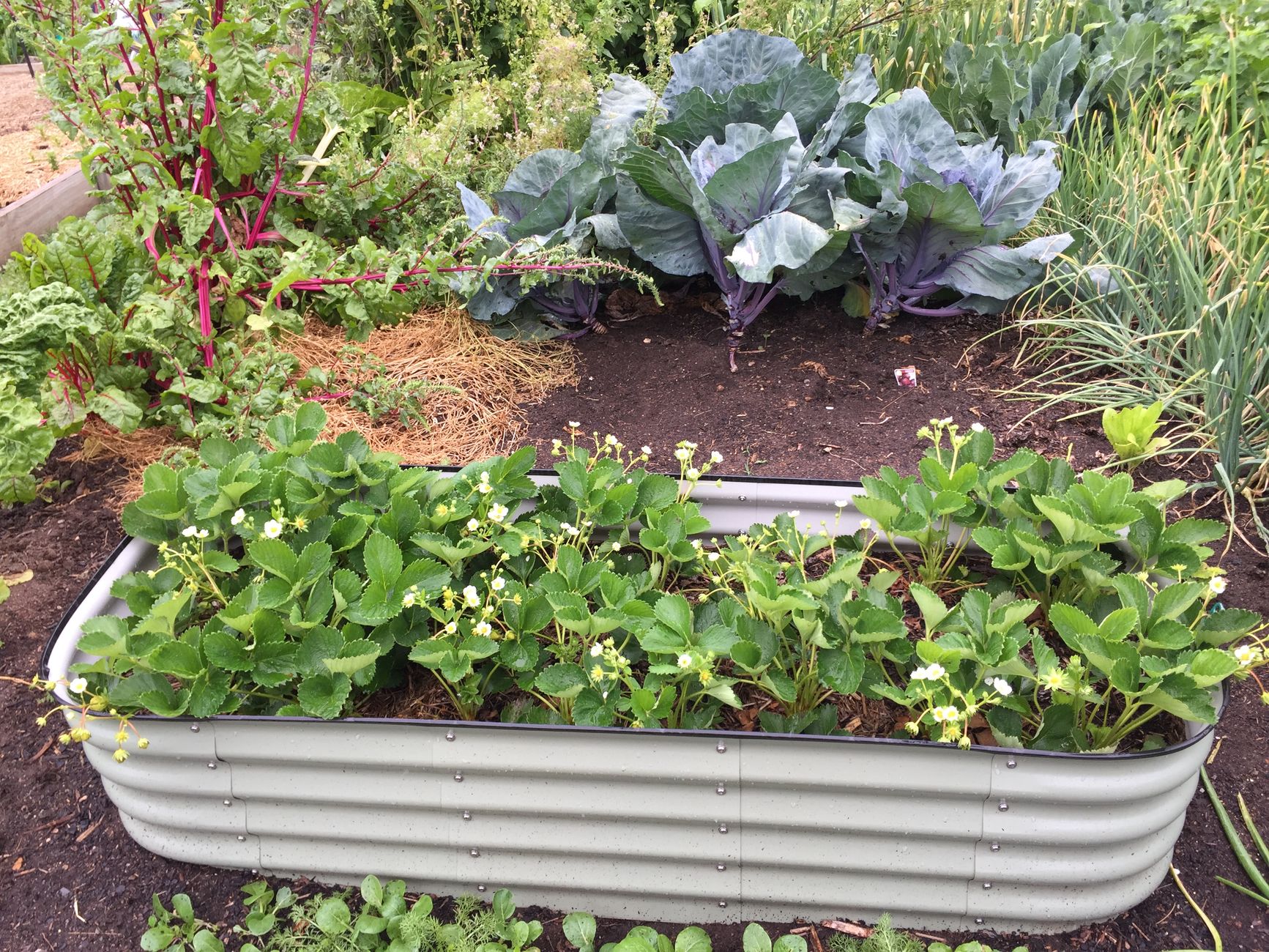
The Mechanics of Water Efficiency: Why Wicking Beds Outperform Traditional Methods
We observe a persistent inefficiency in how most container gardeners manage hydration. Traditional watering methods rely on surface saturation, which means water is subject to rapid evaporative loss directly from the soil matrix. This process necessitates frequent manual intervention, creating a maintenance burden that often leads to inconsistent moisture levels and potential plant stress. A superior approach involves designing a closed-loop hydrological system where water delivery is regulated by capillary action rather than simple gravity flow. This principle forms the core mechanism behind building effective self-watering wicking beds.
The fundamental advantage lies in controlling the soil moisture profile at the root zone. In a standard container, the topsoil layer dries out quickly, forcing plants into a state of physiological water deficit between watering events. By contrast, a wicking bed establishes a consistent, buffered moisture reservoir within the soil medium itself. The water source, held in a separate reservoir, is drawn up into the growing medium via capillary action through a wick—a continuous, passive process that negates surface evaporation losses significantly. Our analysis suggests this system allows plants to access exactly the moisture they need, exactly when they need it, promoting healthier root development and reducing overall water waste by minimizing unnecessary runoff or overwatering cycles.
Deconstructing Capillary Action in Horticultural Systems
Understanding how water moves through porous materials is key to optimizing any self-watering design. Capillary action describes the ability of a liquid to flow in narrow spaces against the force of gravity. In our wicking bed construction, the wick acts as the conduit, drawing water from the lower reservoir up into the surrounding growing medium. The efficiency of this transfer depends on several material properties: the porosity of the growing medium and the surface tension characteristics of the wick material itself.
We select materials based on their hydraulic conductivity. Coarse media, such as well-draining compost or coco coir blends, provide ample space for water saturation while maintaining sufficient air pockets for root respiration. If the medium is too dense, capillary flow becomes restricted, and the system fails to deliver adequate moisture to the root zone. Conversely, wick materials must possess high surface energy to effectively draw the liquid upward. Natural fibers, properly treated, or tightly woven synthetic materials perform this function well because they create a continuous interface for water transport. This interaction is a tangible example of applied physics directly influencing horticultural outcomes.
Designing the Self-Watering Structure
Building a functional system requires careful consideration of material layering and structural integrity. A successful wicking bed design necessitates three primary components: the water reservoir, the soil medium, and the wick mechanism itself. We observe that the geometry of these elements dictates the overall performance metrics.
When constructing the reservoir, its volume must be sufficient to buffer against daily evapotranspiration rates. A larger reservoir means a longer cycle between manual refills, which enhances the low-maintenance aspect we aim for in urban gardening. The connection point between the reservoir and the soil must be secure, preventing leakage that would compromise the water supply. We need robust plumbing or direct submersion design to ensure this interface remains impermeable to unwanted flow outside the system boundaries.
The growing medium itself dictates the system’s capacity. A mix rich in organic matter retains moisture effectively through adsorption, slowing down the rate at which the water is drawn into the soil structure. This contrasts sharply with inert materials that rely purely on bulk saturation. When integrating this method into a container garden setting, we must account for the specific needs of urban environments where soil composition can vary widely. For instance, gardeners utilizing composting methods often find that incorporating amendments like those derived from DIY Bokashi for Apartments: Turn Scraps into Potent Soil (https://twigharbor.com/diy-bokashi-apartment-soil/) enhances the medium’s ability to hold moisture and nutrients simultaneously.
Operationalizing Low-Maintenance Gardening
The operational shift from traditional watering to a wicking system is primarily a change in maintenance frequency, not just a change in method. The system shifts the labor from daily, unscheduled top-ups to periodic reservoir replenishment, which can occur weekly or bi-weekly depending on plant density and ambient temperature fluctuations. This predictability minimizes human error regarding over- or under-watering situations.
We must also consider how this system interacts with the broader health of the root environment. When soil moisture remains consistently optimal—neither saturated nor desiccated—the roots are less likely to experience rapid cycles of stress. This stable environment is crucial when managing other variables, such as potential issues like Fungal Diseases in Urban Gardens: Beginner’s Guide (https://twigharbor.com/fungal-diseases-urban-gardening-2/). Stressed plants exhibit compromised immune responses, making them more susceptible to pathogens. A well-hydrated root system is inherently more resilient against opportunistic fungal colonization.
System Integration and Practical Considerations
Integrating the wicking bed into a small urban space requires efficient spatial planning. Since these systems are container-based, the footprint must be optimized for verticality or compact horizontal arrangements. We see that vertical stacking, when paired with self-watering principles, maximizes yield per square foot in dense settings. The physical design of the bed should account for proper drainage pathways, even though the system is designed to manage its own water supply internally.
The choice of container material also plays a role. Terracotta or unglazed ceramic pots can facilitate some passive moisture exchange with the surrounding air, which needs to be balanced against the internal reservoir’s function. Plastic containers, while less breathable, offer superior water retention capacity if the wick system is properly engineered to manage potential overflow risk. Our research indicates that the success of the entire setup depends on establishing a clear hierarchy: ensure the wicking mechanism functions perfectly before optimizing aesthetic container choice.
The long-term viability of the self-watering wicking beds depends on monitoring the water quality and medium health alongside moisture levels. Periodic checks allow us to assess the rate of water absorption and identify any blockages within the capillary pathways. This analytical approach transforms gardening from a reactive chore into a predictable, manageable biological process governed by physical principles. The resulting environment supports vigorous growth because the environmental inputs—water—are delivered with precision and efficiency.
Tags: wicking beds, container gardening, self-watering systems, urban gardening, container gardens, low-maintenance, gardening DIY
Featured Image by LUIS GALLARDO on Pexels.