
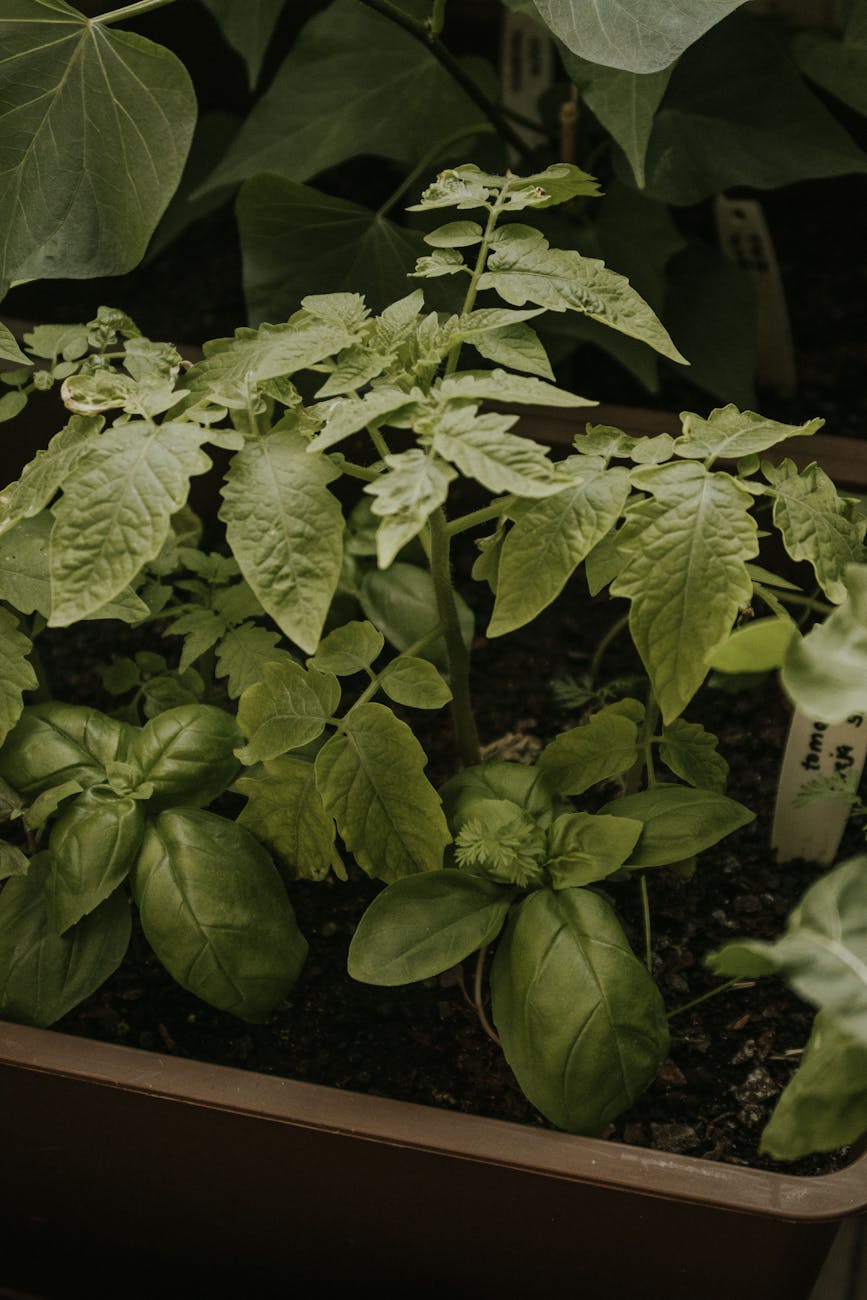
Maximizing Square Footage: The Science Behind Companion Planting Urban Vegetables
When maximizing output in confined urban spaces, we move beyond simply placing plants side-by-side; we begin implementing ecological principles to engineer a more productive micro-ecosystem. Understanding companion planting urban vegetables means recognizing that the interaction between neighboring flora is not arbitrary but a structured biological process designed to optimize resource allocation and mitigate environmental stressors. We observe from the data that intentional plant pairing creates synergistic effects, allowing crops to thrive in conditions where monoculture would fail.
The primary mechanism at play involves nutrient cycling and physical space optimization. Different plants possess distinct root architectures and foliage profiles that influence soil microbiology and light interception patterns. For instance, certain plants exude allelopathic chemicals into the soil, which can inhibit the growth of competing weeds, effectively reducing competition for water and essential minerals. This chemical signaling is a sophisticated, non-verbal negotiation happening beneath the surface of our small garden plots.
Optimizing Nutrient Density Through Symbiosis
We must analyze how companion planting directly impacts the availability of nutrients within the limited soil volume. Plants perform specialized roles in the nutrient cycle. Legumes, for example, fix atmospheric nitrogen through symbiotic relationships with Rhizobia bacteria residing in root nodules. When you strategically plant these nitrogen-fixers near heavy feeders like tomatoes or corn, you are leveraging this biological process to reduce the need for external, synthetic fertilizer inputs. This reduces runoff and reliance on external amendments, leading to a more self-sustaining system.
Consider the concept of the Three Sisters method—corn, beans, and squash—a classic example demonstrating intentional spatial organization. The corn provides a vertical structure acting as a natural trellis, allowing the climbing beans to utilize support structures efficiently, thereby reducing the energy expenditure required for the bean vines to sprawl horizontally. Simultaneously, the beans fix nitrogen into the soil, benefiting the corn, while the broad leaves of the squash shade the soil, suppressing weed germination and maintaining consistent soil moisture levels across the entire arrangement. This is a tangible demonstration of resource partitioning in action.
Pest Management as an Integrated System
A significant advantage of companion planting surfaces when managing pest populations. Introducing a diversity of plant life disrupts the continuous food source available to specialized pests. Many beneficial insects, including predatory wasps and ladybugs, establish colonies based on specific host plant associations. By cultivating a diverse mix of herbs and vegetables, we create habitat complexity that supports these beneficial arthropods. We observe that strong-smelling companion plants—like marigolds or basil—can act as effective deterrents. Their volatile organic compounds interfere with the olfactory cues used by common garden pests, effectively creating an unfavorable environment for infestation before physical intervention is necessary.
This approach shifts pest control from reactive spraying to proactive ecological management. Instead of relying solely on synthetic pesticides that target beneficial insects indiscriminately, we engineer the garden environment so that pest regulation occurs intrinsically. This reduces the chemical load on the soil and the plants themselves, fostering a healthier outcome for the entire growing cycle.
Strategic Spatial Planning for Urban Constraints
Urban gardening inherently forces us to confront spatial limitations. Every square foot must be utilized with maximum efficiency. Companion planting provides a framework for dense, productive layering of crops, which is particularly advantageous when dealing with vertical space or limited container real estate. We must think about plant height and light requirements when planning arrangements on balconies or small patios.
When selecting what to place next to one another, we analyze the light exposure throughout the day. Tall plants should be positioned to maximize light penetration to shorter neighbors, preventing shading that stunts growth. Conversely, placing shade-tolerant herbs near sun-loving vegetables allows for a gradient of light intensity across the planting bed. This deliberate arrangement ensures that no single plant becomes an ecological bottleneck due to suboptimal light absorption.
For those managing containers, understanding soil dynamics is paramount. The medium itself dictates how effectively plants can interact with their neighbors. Using appropriate potting mixes and ensuring excellent drainage—the foundation for any successful container garden—is non-negotiable. When you select your soil components carefully, the benefits of companion planting are amplified because the root systems can access water and nutrients efficiently across the entire spatial arrangement. We find that investing time in the substrate is just as critical as selecting the plant partners. Consider establishing robust systems first; for instance, understanding how to implement DIY Self-Watering Systems for Balcony Containers can ensure consistent moisture delivery regardless of the specific companion planting design you choose.
Selecting Compatible Plant Partners
The success of any pairing hinges on matching the physiological needs of the individual species. We must move beyond anecdotal pairings and look at established botanical compatibility. Plants that share similar water requirements, nutrient demands, and growth habits integrate more seamlessly into a functional system. For example, plants with similar root depths can coexist without intense competition for the same subsurface resources.
When integrating edibles with aromatic herbs, we observe strong synergistic benefits. Basil’s strong scent can enhance the flavor profile of nearby tomatoes, while mint’s vigorous growth helps to cool the immediate vicinity, which is beneficial during hot urban summers. These interactions are rooted in shared biochemical pathways that facilitate mutual support rather than competitive antagonism.
When planning layouts for small spaces, optimizing verticality becomes a crucial analytical step. Utilizing trellising techniques not only maximizes yield per square foot but also allows for more complex layering of different plant types. This spatial manipulation ensures that the light exposure is distributed evenly across all chosen specimens. Thinking about how to structure your space effectively requires understanding the physical constraints of the environment alongside the biological needs of your plants.
The process demands observation and iteration. We test various combinations, track growth rates, and monitor pest incidence to refine our understanding of what works best in a specific urban microclimate. This iterative testing transforms gardening from a series of hopeful attempts into a repeatable scientific practice. When you start experimenting with companion planting urban vegetables, treat your garden as a living laboratory where every arrangement provides data about ecological interaction.
Tags: companion planting, urban gardening, small space gardening, vegetable growing, organic gardening, plant relationships, garden tips
Featured Image by Letícia Alvares on Pexels.