Container Gardening 101: Pots, Soil & Drainage for City Spaces
Starting a garden in an urban environment might seem daunting, but it is incredibly rewarding. Whether you have a sprawling backyard or just a small balcony, container gardening beginner guide is your roadmap to transforming concrete and concrete into vibrant green spaces. Containers offer flexibility, control, and a wonderful connection to nature right in the middle of the city hustle. This comprehensive guide will walk you through everything you need to know about selecting the right pots, choosing the perfect soil, and ensuring excellent drainage for successful plant growth in any city setting.
Choosing the Right Containers for Your Urban Plot
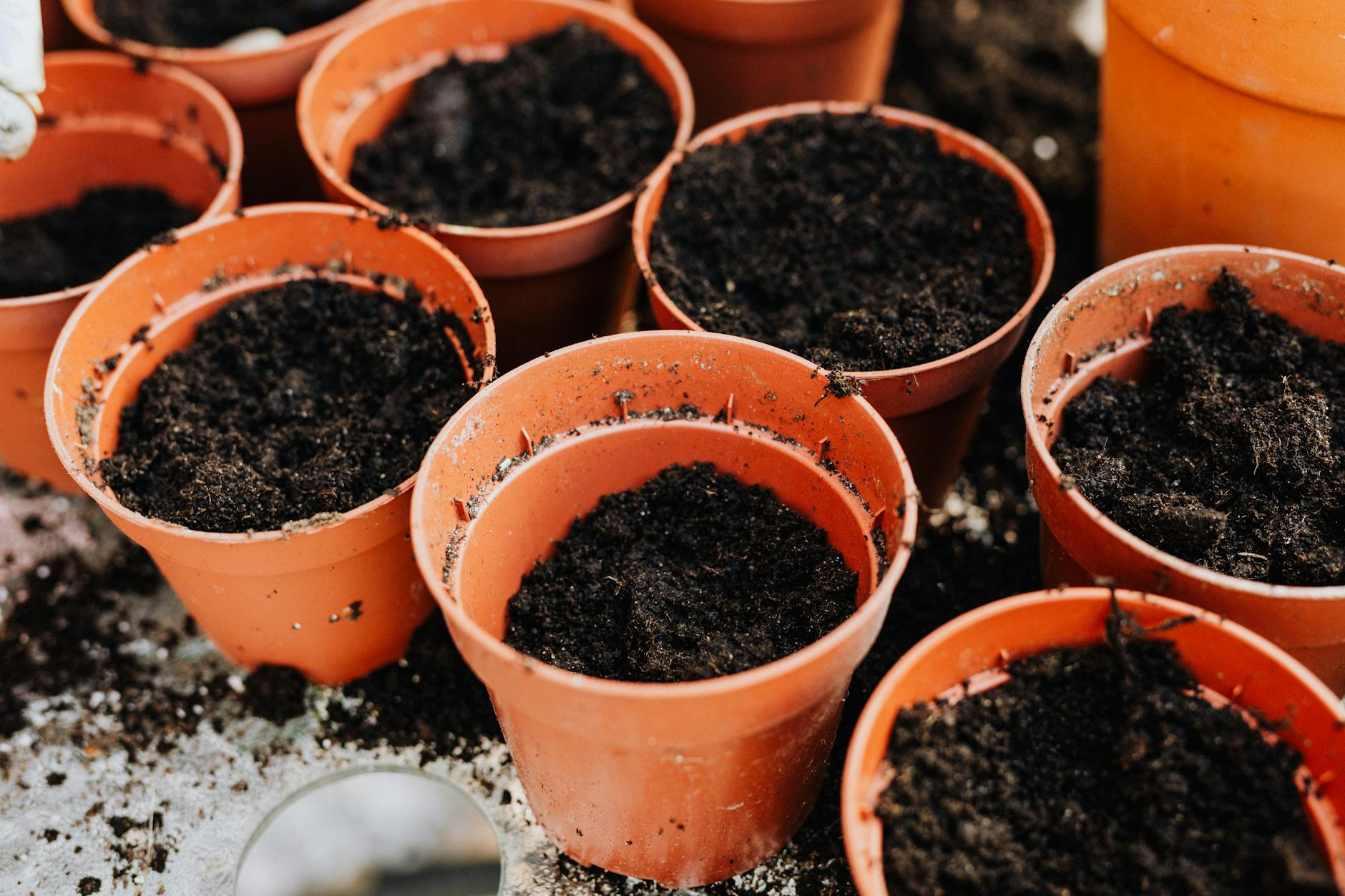
The pot or container you choose is the first physical home for your plants. Selecting the correct vessel is crucial because it directly impacts root health, water retention, and overall plant survival. Don’t just grab the first thing you see; think about size, material, and weight.
Material Matters: Plastic vs. Terracotta vs. Metal
Different materials interact with soil moisture in unique ways. Understanding this relationship will save you headaches later on.
Plastic Containers
Plastic is lightweight, durable, and affordable. Its main advantage is that it retains moisture well, which can be beneficial for plants that like consistently damp soil. However, some gardeners worry about the longevity of certain plastics or potential chemical leaching if not properly sourced. Ensure you use food-grade plastic for vegetable gardens.
Terracotta (Clay) Pots
Terracotta pots are porous, meaning they breathe. This porosity allows excess moisture to evaporate through the sides of the pot, which helps prevent root rot. They have a beautiful, earthy aesthetic popular in urban settings. Be aware that terracotta dries out faster than plastic, meaning you might need to water more frequently.
Metal Containers (Aluminum/Steel)
Metal pots offer excellent durability and can handle temperature fluctuations well. While they generally don’t absorb much moisture, they can heat up quickly in direct sun, which might stress sensitive roots if not shaded appropriately. They are great for heavier, long-term installations.
Sizing Your Pots: Giving Roots Room to Breathe
A common beginner mistake is choosing a pot that is too small. Small containers restrict root development, leading to stunted growth and poor yields.
- Root Space is Essential: Roots need room to spread out and anchor the plant. For herbs or small vegetables, aim for a minimum depth of 8-10 inches.
- Drainage Consideration: Deeper pots allow for a deeper layer of appropriate soil and better water management.
- Balcony Considerations: If you are gardening on a balcony, consider how much weight the pot can safely bear, especially when fully saturated with water.
The Foundation of Growth: Selecting the Perfect Potting Soil
You cannot simply use dirt from your yard in a container; it will compact too easily and become waterlogged. The soil you use is the nutritional backbone of your container garden.
Understanding Soil Composition
Container gardening requires a specialized, light, and airy mix. Standard garden soil is often too dense for pots, which suffocates roots and prevents proper drainage.
The Role of Potting Mix
A quality potting mix is specifically formulated to provide aeration (air pockets) while still retaining necessary moisture. Good mixes typically include components like peat moss or coir (coconut fiber), compost, and perlite or vermiculite.
Essential Soil Ingredients
- Compost: Provides slow-release nutrients essential for healthy, thriving plants.
- Aeration Agents (Perlite/Vermiculite): These lightweight materials create air pockets in the soil, which allows roots to breathe and prevents compaction. This is vital for good drainage.
- Organic Matter (Compost/Coir): This ensures the soil retains some moisture without becoming heavy or waterlogged.
Ensuring Excellent Drainage
Poor drainage is the single biggest killer of container plants—leading directly to root rot. When you water, the water must be able to escape freely.
The Importance of Drainage Holes: Every single container must* have adequate drainage holes at the bottom. If a pot lacks holes, you must create them yourself or use a double-pot system (a cachepot inside a larger pot with holes).
- Layering for Drainage: When filling your pots, place a layer of coarse material (like broken pottery shards or large gravel) at the very bottom before adding the potting mix. This acts as an extra barrier and ensures water has a clear exit path.
Mastering Watering Techniques for Container Gardens
Container gardens dry out much faster than in-ground gardens, especially during hot, sunny urban summers. Mastering the art of watering is key to keeping your container gardening beginner guide successful.
When and How Much to Water
Overwatering leads to root rot; underwatering leads to wilting and stress. Finding that balance requires observation rather than strict scheduling.
- The Finger Test: Before watering, stick your index finger about one to two inches deep into the soil. If it feels dry, it’s time to water thoroughly. If it feels damp, wait another day or two.
- Deep Watering is Better: When you do water, water deeply until you see excess water running out of the drainage holes. This encourages deep root growth. Shallow, frequent watering only encourages weak surface roots.
- Watering Time: Water early in the morning when temperatures are cooler. This allows the water to soak in before the heat causes rapid evaporation, and it gives foliage time to dry before evening moisture can promote fungal diseases.
Environmental Factors: Sun, Shade, and Urban Heat
City environments present unique challenges, particularly regarding sunlight intensity and temperature fluctuations that affect container health.
Understanding Sunlight Exposure
The amount of direct sun your containers receive dictates what you can successfully grow.
- Full Sun (6+ hours): Most vegetables (tomatoes, peppers), herbs (rosemary, thyme), and many flowering plants thrive in full sun exposure.
- Partial Shade (4-6 hours): Leafy greens (lettuce, spinach), some root vegetables, and many shade-tolerant ornamentals can manage well with partial shade, especially during the hottest part of the day.
- Shade: Areas that receive less than 4 hours of direct sun are best suited for shade-loving foliage plants.
Managing Urban Heat Island Effects
Urban areas often experience the “heat island effect,” where concrete and asphalt retain excessive heat, making containers hotter and drier than surrounding areas.
- Mulching is Your Friend: Applying a layer of organic mulch (like straw, wood chips, or shredded leaves) on top of the soil acts as an insulating blanket. This significantly reduces water evaporation from the soil surface and keeps the roots cooler.
- Container Placement: Position containers where they receive morning sun but are protected from intense, scorching afternoon sun if possible. Consider using shade cloth for extremely hot spots.
Advanced Container Gardening Tips for City Dwellers
Once you have mastered the basics of pots, soil, and water, you can explore ways to maximize your small urban space.
Feeding Your Urban Garden
Since container plants rely entirely on you for nutrients, they need supplemental feeding over time.
- Slow-Release vs. Liquid Feed: Start with a slow-release granular fertilizer mixed into the soil at planting time. Supplement this every 2–4 weeks with a diluted liquid organic fertilizer (like fish emulsion or seaweed extract) to provide immediate nutrition.
- Compost Tea: For an extra boost of beneficial microbes, use compost tea when feeding your container plants.
Vertical Gardening: Maximizing Limited Space
When horizontal space is limited—such as on a small balcony or patio—think upward! Vertical gardening systems are perfect for maximizing yield in tight urban settings.
- Maximizing Wall Space: Utilize walls for climbing plants, such as using trellises or hanging baskets. Exploring solutions like Vertical Gardening: Maximize Flowers on Urban Walls can turn an unused wall into a productive green space.
- Balcony Hacks: For extremely small balcony spaces, innovative vertical setups are essential. Check out tips for making the most of tiny areas with resources like Vertical Gardening Hacks for Tiny City Balconies.
Summary: Your Container Gardening Beginner Guide Checklist
To ensure your journey into container gardening beginner guide is successful, keep this checklist handy:
- Containers: Choose materials based on your needs (plastic for retention, terracotta for breathability). Ensure every pot has drainage holes!
- Soil: Never use heavy garden dirt. Use a light, airy potting mix amended with compost and aeration agents (perlite).
- Watering: Check the soil moisture regularly using the finger test. Water deeply when you do water, and water consistently based on plant needs, not a strict schedule.
- Environment: Monitor sun exposure and use mulch to manage urban heat and evaporation.
- Growth Strategy: Feed your plants with balanced nutrients and consider vertical solutions to expand your edible landscape!
By following these principles, you are setting yourself up for success in creating beautiful, productive, and thriving container gardens right in the heart of the city. Happy gardening!
Tags: container gardening, urban gardening, potting soil, plant drainage, balcony gardening, small space gardening, beginner gardening
Featured Image by www.kaboompics.com on Pexels.