
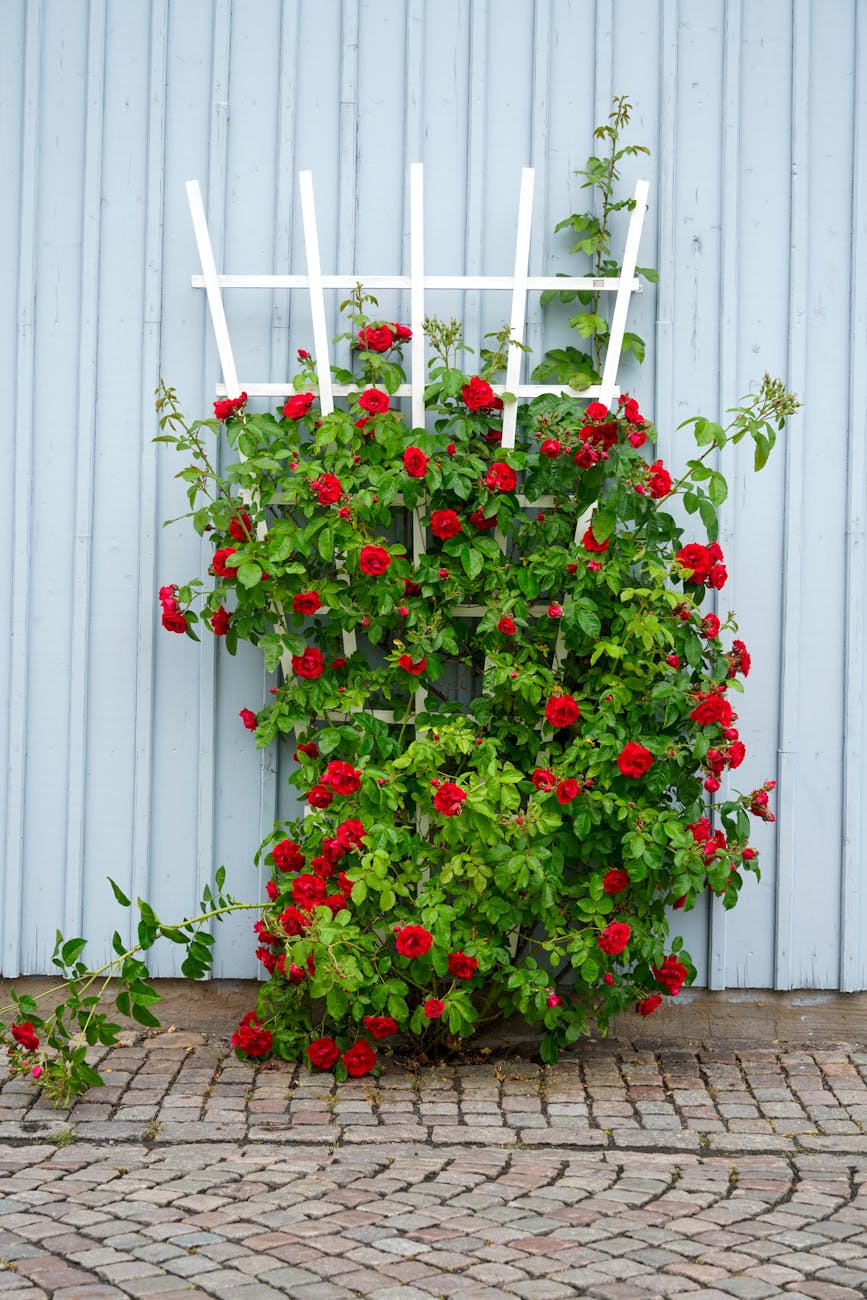
Transforming Walls into Vibrant Greenscapes with Vertical Gardening Flowers
The constraints of urban living often dictate where we can grow. Balconies, narrow patios, and even forgotten exterior walls present limited horizontal space. This reality forces a creative pivot toward the vertical plane. Embracing vertical gardening flowers isn’t just an aesthetic choice; it is a necessary spatial optimization strategy for small urban gardeners. It allows us to exploit otherwise unused vertical real estate, transforming neglected architectural surfaces into lush, productive ecosystems. We move beyond simple container gardening and engage in architectural horticulture.
Understanding the Mechanics of Vertical Gardening Systems
Setting up a successful vertical garden involves understanding the physical and biological mechanics at play. Unlike traditional ground-level planting, vertical systems introduce new challenges regarding water retention, root aeration, and light exposure. The system you choose dictates how effectively moisture moves through the plant structure and how nutrients are distributed.
The primary consideration is substrate depth versus plant root capacity. If you are utilizing wall-mounted planters or tiered systems, the weight distribution becomes critical. You must assess the load-bearing capacity of the wall material before introducing heavy, saturated soil mixtures. A common mistake is overloading weaker structures, leading to structural compromise and eventual failure of the planting system itself.
Furthermore, water management demands specific attention. Gravity becomes your ally, but poor drainage design leads directly to root rot. Implementing a proper self-watering mechanism or ensuring excellent runoff pathways prevents saturation. Think about how water infiltrates the system; excessive pooling negates the benefit of vertical setup entirely. This is where selecting appropriate growing media becomes non-negotiable. When selecting materials for these systems, always consider drainage rates and porosity, referencing guides on Choosing Containers for Small Urban Gardening Spaces.
Selecting the Right Trellising and Mounting Techniques
The physical structure supporting your flowers is as important as the plants themselves. The method of attachment directly impacts the longevity of the setup and the ease of maintenance. We are looking for systems that offer secure anchoring without causing undue damage to the wall surface.
Pallet and Lattice Systems: These offer a rustic, accessible aesthetic. Wooden pallets, when properly secured, provide excellent foundational support. The inherent texture of wood interacts nicely with flowering plants, offering a charming contrast. However, ensure any metal fasteners used are rust-resistant, as prolonged moisture exposure accelerates corrosion. Lattice work provides an open framework, allowing air circulation to reach the lower foliage, which is vital for preventing fungal diseases common in dense urban plantings.
Pocket and Panel Systems: These modern approaches prioritize clean lines. Fabric or modular panel systems attach directly to the wall. This method offers greater flexibility in design—you can create geometric patterns rather than simple rows. The material choice here matters significantly; synthetic fabrics must be chosen for UV resistance, while natural materials age gracefully with exposure.
DIY Trellising with Scaffolding: For more substantial setups, utilizing temporary scaffolding or carefully installed brackets provides robust support. This requires careful measurement and adherence to safety protocols. The process involves establishing anchor points that distribute the weight evenly across the wall surface. Think about the physics: tension versus compression forces must be managed to prevent sagging over time.
Optimizing Plant Selection for Vertical Environments
Not all flowers thrive equally under the unique conditions imposed by vertical gardening. Sunlight exposure, wind resistance, and root confinement all alter plant requirements. Selecting appropriate flora is the key to achieving sustained beauty.
Sunlight dictates placement. South-facing walls receive the most intense, direct light throughout the day. North-facing walls offer softer, indirect light, which suits shade-tolerant varieties perfectly. Understanding your wall’s orientation is the first diagnostic step in optimizing plant health.
Wind exposure is another critical variable. Walls facing prevailing winds will experience greater physical stress from wind shear. Plants requiring more structural support or those with more delicate stems should be situated in areas offering some degree of buffer, perhaps utilizing denser planting or heavier substrate layers near the base anchors.
Choosing the right flower type involves considering growth habit. Trailing plants, such as certain clematis or jasmine varieties, are inherently suited for vertical systems. They naturally seek support and cascade beautifully down the structure. Bushier flowers or those with very deep taproots may require deeper pockets to establish themselves successfully in confined spaces. Experimentation is key; observe how light hits your specific wall at different times of the day before committing fully.
Soil Composition: The Foundation for Vertical Success
The medium you use for vertical gardening flowers must compensate for the limited volume and concentrated exposure inherent in these systems. Standard garden soil compacts too easily when packed tightly against a wall, leading to poor aeration and slow water percolation.
This is why specialized soil amendments are essential. You need a lightweight, highly porous mix that retains necessary moisture without becoming waterlogged. Incorporating materials like perlite or expanded shale helps increase the air pockets within the growing medium. This improved aeration directly feeds the roots oxygen, which accelerates nutrient uptake. When you focus on maximizing container yields in small spaces, soil quality becomes paramount. For this reason, integrating amendments is crucial to ensuring that every plant thrives in its allocated vertical space. Reviewing strategies for Maximize Container Yields: Essential Soil Amendments for Urban Gardening provides excellent insight into balancing water retention and drainage.
Maintenance Protocols for Long-Term Vibrancy
Once the system is established, maintenance shifts to consistent monitoring. Vertical gardens require more frequent attention because environmental stresses—like heat reflection or localized moisture issues—are amplified when plants are tightly packed.
Watering schedules must be precise. In vertical systems, the soil in the upper tiers can dry out much faster than ground-level beds due to increased evaporative surface area exposed to the air. Establish a routine that accounts for this increased rate of transpiration. Overwatering is a silent killer in these setups; monitor the top inch of soil regularly by feeling for moisture rather than relying on a fixed schedule.
Pruning becomes an active process. Removing dead or diseased foliage from one section does not affect the health of the entire wall structure, but it prevents the plant from diverting energy to non-productive growth. Regular light pruning encourages bushier flowering and ensures that the remaining plants receive optimal light penetration. Consider how the density affects air flow; allowing some space between plants permits necessary airflow, which helps manage humidity and disease risk across the entire vertical arrangement. This mindful approach sustains the beauty of your urban flower wall season after season.
Tags: vertical gardening, urban gardening, flower walls, trellising, small space gardening, vertical gardens, flower growing
Featured Image by Damir K . on Pexels.