
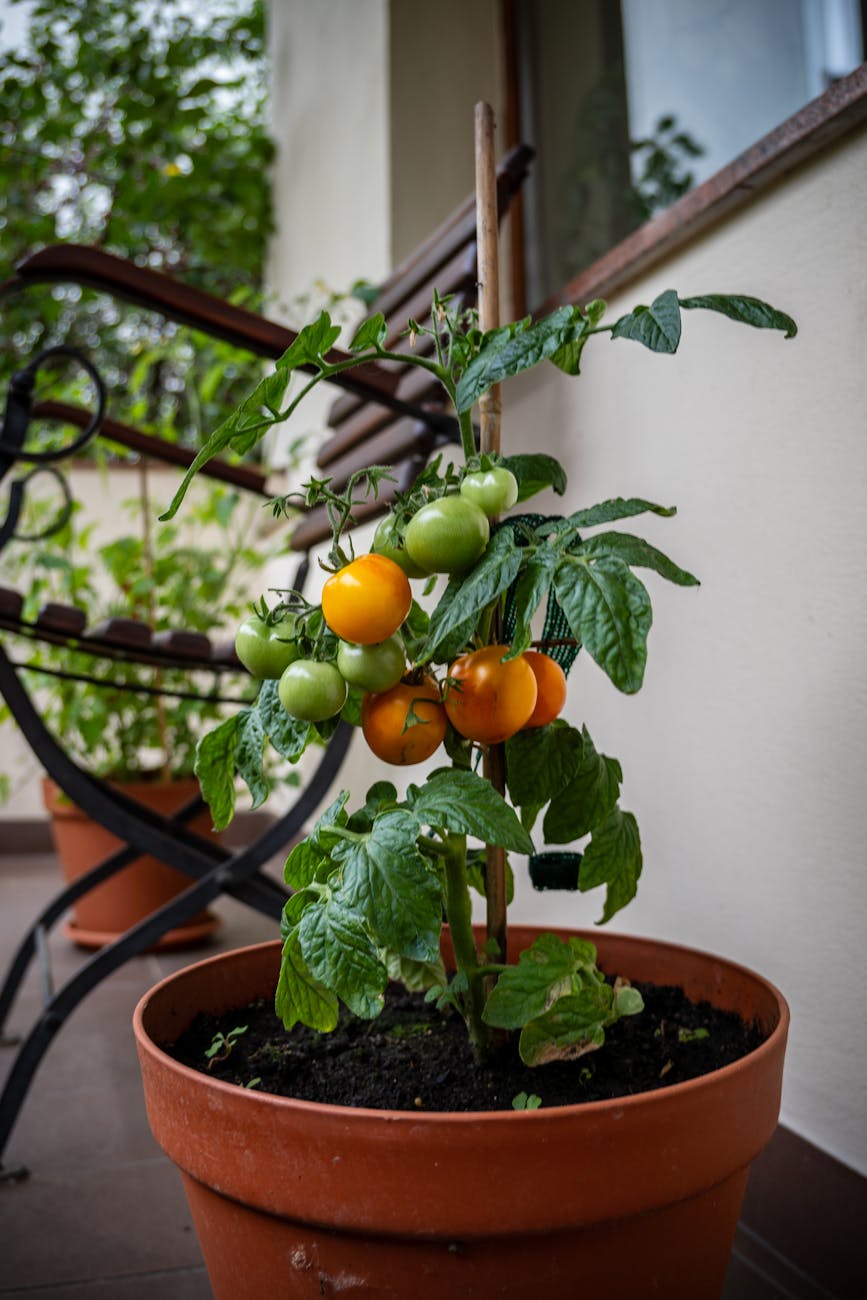
Maximizing Yield: Engineering Your Vertical Vegetable Garden
The constraint of limited horizontal space in urban environments demands a shift in horticultural strategy. When considering vertical vegetable gardening small space, we are not merely arranging pots; we are engineering a three-dimensional growing system designed to optimize light exposure, water retention, and root access within confined architectural boundaries. Observing how plants naturally seek upward growth provides the fundamental mechanism for maximizing productivity on balconies and patios. This approach converts restrictive two-dimensional area into accessible vertical real estate.
The Mechanics of Vertical Stacking Systems
The efficacy of any vertical system hinges on efficient resource distribution. We must analyze how different structures facilitate plant health. Trellises, pallet gardens, and stacked planter boxes all operate by manipulating the plant’s photosynthetic surface area relative to ambient light intensity. A climbing bean or cucumber vine uses a trellis not just for support, but as an external scaffolding that increases the total area exposed to direct sunlight throughout the day. This mechanical advantage allows vines to sprawl and maximize sun exposure rather than remaining stunted in a confined pot.
Consider the principle of surface area maximization. By placing plants in layers, we effectively utilize vertical plane space that would otherwise remain unused. A single, deep planter might yield modest results, but a system that utilizes wall space or railings creates multiple growing zones simultaneously. We observe that when roots are encouraged to explore vertical planes, they develop more robust, exploratory root systems, which increases nutrient uptake efficiency across the entire structure. This contrasts sharply with traditional container gardening where root mass is restricted by the physical confines of the container walls.
Selecting Appropriate Vertical Structures
Choosing the right structural element dictates the system’s long-term viability. Materials and installation methods must account for weight distribution and moisture management. Wooden pallet systems, for instance, offer a cost-effective method for creating tiered planters; however, wood requires proper treatment to prevent rot, especially when exposed to consistent moisture cycling common on balconies. Metal shelving units provide excellent rigidity for heavier, deeper planters, offering a more permanent solution if the structure is affixed securely to the balcony supports.
For systems involving climbing plants, the choice of support material directly impacts vine health. Woven wire or bamboo poles provide adequate tensile strength for lighter gourds and beans. Conversely, dense netting or sturdy wooden slats are necessary when supporting heavier tomato cages or indeterminate squash varieties. We must calculate the load-bearing capacity before installation; an improperly secured system represents a significant risk to both the gardener and the structure itself.
Optimizing Soil and Nutrient Delivery
The physical structure addresses space; the substrate addresses nutrition. In vertical systems, soil volume is often minimized, meaning nutrient concentration becomes critical. Plants in shallow containers or stacked systems require a carefully formulated potting mix that balances water retention with aeration. Standard garden soil compacts easily when confined, leading to anaerobic conditions where roots suffocate and nutrient uptake stalls.
We find that using a high-quality, lightweight potting medium is essential for this methodology. Incorporating materials like perlite or coarse sand into the mix increases porosity, allowing water to penetrate evenly and facilitating gaseous exchange around the root mass. When dealing with resource cycling in small urban settings, understanding soil health extends beyond simple container planting. Exploring methods that recycle organic matter offers a pathway to sustainable nutrient delivery; systems like Urban Worm Composting: Fire Escape Vermicompost Bin Guide demonstrate how organic waste can be transformed into nutrient-rich material suitable for intensive small-scale food production.
Water Management in Multi-Tiered Systems
Watering vertically stacked gardens introduces new hydrological challenges. Gravity dictates that water will flow downward, meaning the top tiers must be managed to prevent overwatering and runoff into lower levels. A well-designed vertical system incorporates a reservoir or carefully designed drainage channels between tiers to ensure efficient distribution. If water pools in one section, the plants in that area suffer from root saturation while other sections remain parched.
Monitoring moisture levels requires simple, localized checks. Using self-watering techniques, such as building small wicking systems within each planter box, allows the soil to regulate its own moisture content based on actual plant demand. This minimizes the frequency of manual intervention and ensures consistent hydration across the entire vertical expanse. Observing this feedback loop shows that passive water management significantly reduces the labor overhead associated with intensive urban gardening.
Cultivating High-Yield Crops Vertically
The types of vegetables best suited for this method are those that utilize vertical growth patterns effectively. Cucumbers, peas, pole beans, and certain varieties of lettuce thrive when given access to upward support. These crops naturally follow the scaffolding provided by trellises or netting. Leafy greens, such as spinach and kale, benefit immensely from stacked systems where they can be grown in succession, maximizing the use of a single vertical footprint for different harvest cycles.
We observe that indeterminate crops require more robust structural support than determinate varieties. The larger biomass necessitates stronger supports to manage the weight during peak growth periods. Successful vertical vegetable gardening small space relies on matching the plant’s growth habit with the chosen physical structure. Experimentation in placement and support is the primary mechanism for determining optimal yield potential within a balcony setting.
Integrating Soil Health Through Closed-Loop Systems
The goal of intensive urban gardening should be symbiotic resource management, not just high-volume output. When managing small footprints, understanding where nutrients originate and where waste is directed becomes paramount. Introducing methods for soil regeneration closes the nutrient loop. For instance, engaging in composting transforms kitchen scraps into amendments that enrich the limited volumes we manage. Exploring Worm Farming for Urban Soil: Living Compost Systems reveals a highly efficient biological process for generating humus, which acts as a slow-release, finely textured medium superior to simple bagged potting mixes.
When worm composting systems are employed, the resulting castings deliver a potent, naturally balanced feed directly into the growing medium. This eliminates reliance on external, often heavily processed fertilizers. We see a direct correlation: systems that incorporate biological cycling produce healthier plants with fewer external inputs required for sustained production. This holistic approach moves gardening from simply filling containers to actively managing an ecosystem on a small scale. The resulting soil possesses superior microbial diversity, which directly enhances the plant’s resilience against urban environmental stresses.
Tags: urban gardening, small space gardening, balcony gardening, vertical gardening, container gardening, city gardening, small balcony garden
Featured Image by Michał Robak on Pexels.