
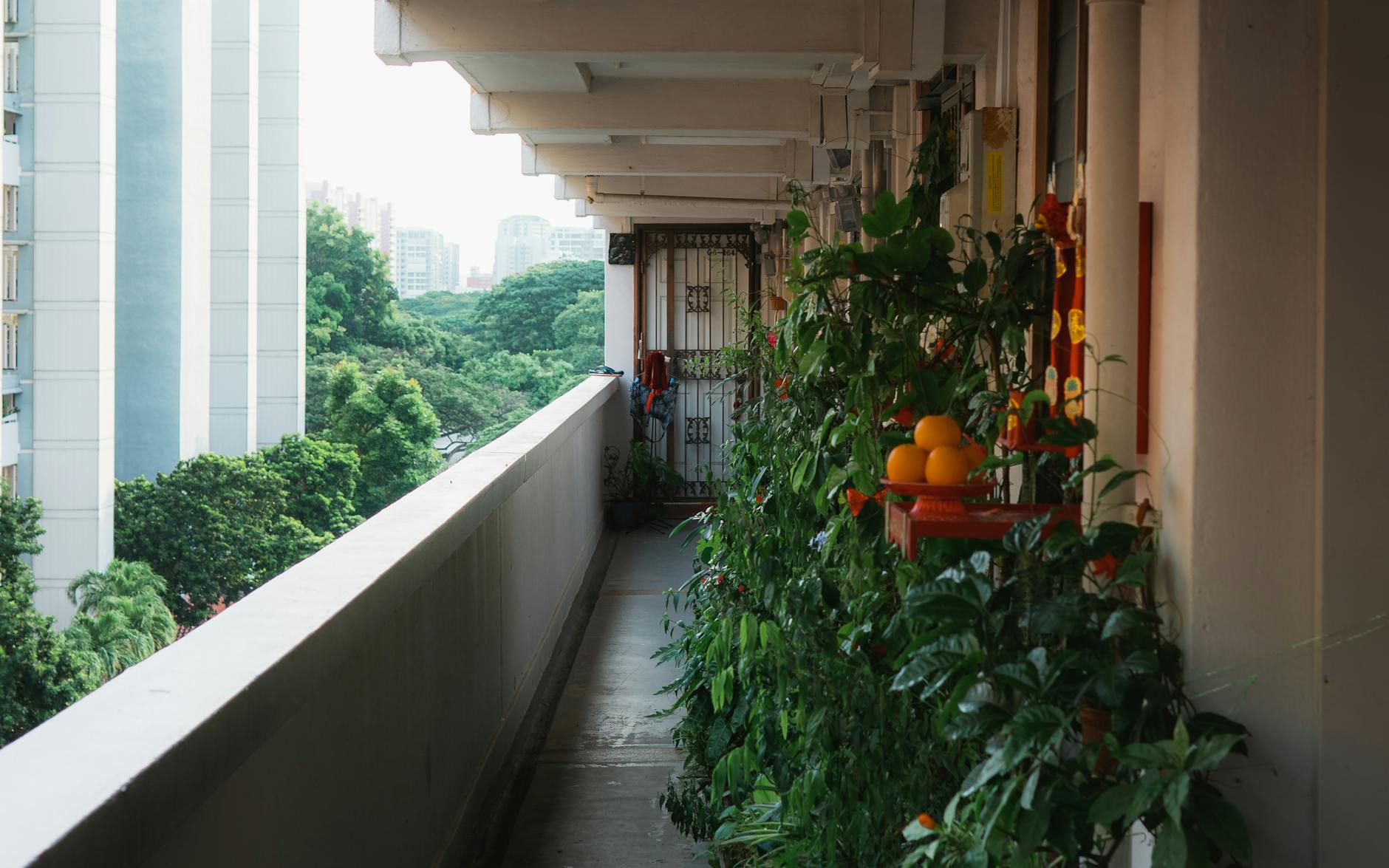
Understanding the Ecology of Urban Pest Infestations
When initiating urban gardening pest control beginners, the initial step requires shifting perspective from simple eradication to understanding ecological balance. Pests do not simply appear; they emerge because the environmental conditions—the specific microclimate of your balcony or indoor space—create an attractive, resource-rich environment for them to thrive. We observe that successful management hinges on disrupting this established cycle rather than applying broad-spectrum chemical interventions indiscriminately.
The mechanisms driving pest populations in urban settings are intrinsically linked to habitat availability and food supply. Small, overlooked crevices in window frames or the soil substrate itself provide ideal overwintering sites for insects like aphids or spider mites. These microscopic organisms reproduce rapidly when resources are abundant, leading to exponential population growth once an infestation is established. Understanding this dynamic dictates the appropriate intervention strategy.
The Life Cycle of Common Indoor and Balcony Invaders
Many common pests exhibit predictable life cycles that we can exploit. For instance, aphids, which feed by sucking sap from plant tissues, multiply rapidly on tender new growth. Their reproductive rate accelerates when temperatures are warm and humidity levels remain high, conditions frequently met in poorly ventilated indoor spaces. Spider mites thrive in dry, dusty conditions, directly correlating with the arid nature of many sealed apartment environments.
We analyze the impact of environmental variables on these cycles. High relative humidity, often found near houseplants or in humid bathrooms, significantly lowers the mortality rate for soft-bodied pests. This creates a positive feedback loop where moisture supports pest survival while simultaneously encouraging their proliferation on susceptible host plants. Managing this requires manipulating the environment to stress the pest population into dormancy or reduce their reproductive capacity.
Non-Chemical Strategies for Effective Pest Management
Moving away from synthetic pesticides demands a focus on implementing physical and biological controls that target the specific pest without harming beneficial insects or the surrounding ecosystem. This approach prioritizes long-term resilience over immediate suppression.
Physical Barriers and Mechanical Removal Techniques
The most immediate action involves direct intervention. Physical removal of visible pests, such as clusters of aphids or slow-moving caterpillars, provides immediate localized control. Hand-picking is a viable method for small infestations on foliage. For larger areas, mechanical barriers offer sustained protection. Fine mesh netting draped over plants acts as a physical exclusion mechanism, preventing airborne dispersal and direct contact with flying insects.
Creating physical separation between susceptible plants can also starve pest populations. This involves utilizing spacing effectively during planting. Furthermore, managing airflow is crucial; stagnant air creates microclimates perfect for pest breeding. Ensuring good ventilation prevents the humid pockets that favor infestation growth. When selecting plants for containers, considering their density and structure impacts how pests can colonize them, which connects directly to choices like those discussed in Balcony Bloom Secrets: Choosing Flowers for Container Gardening.
Harnessing Natural Predators and Botanical Repellents
A robust pest control system relies on establishing a community of natural regulators. Encouraging beneficial insects, such as ladybugs and parasitic wasps, allows them to naturally regulate pest populations. This requires providing the necessary habitat components for these predators. Planting flowering herbs or companion plants near vegetable patches introduces nectar and pollen sources that attract these beneficial arthropods.
Repellents function by altering chemical signals in the environment, guiding pests away from the target area. Essential oils derived from plants like rosemary, peppermint, or strong citrus varieties create olfactory deterrents. Applying diluted solutions of these substances offers a non-toxic barrier against insects attempting to land or feed. We observe that this method works best when applied preemptively, creating an unfavorable sensory experience before significant feeding occurs.
Optimizing Indoor Environments for Pest Resistance
Indoor gardening presents unique challenges because the confinement exacerbates environmental risks. The sealed nature of apartments means that any introduced pest population can become highly concentrated, demanding stringent environmental management protocols.
Substrate and Water Management Protocols
The medium in which plants grow plays a significant role in pest incidence. Overly moist or poorly draining soil fosters fungal diseases alongside pest proliferation. Analyzing the substrate composition allows us to adjust water delivery to maintain optimal porosity. Allowing the top layer of soil to dry out between waterings reduces the ambient humidity that attracts moisture-loving pests.
Watering techniques must be precise. Using methods that deliver water directly to the root zone minimizes surface moisture, thereby reducing the environmental conditions conducive to aphid and mite colonization on leaf surfaces. This focus shifts management from treating symptoms to correcting underlying habitat deficiencies within the pot or planter.
Integrating Indoor Plant Selection for Resilience
The choice of plant material influences susceptibility to infestation. Some plants naturally possess chemical defenses that deter generalist pests, while others offer less resistance. We see that selecting robust, naturally resilient species can reduce the overall pest pressure on an indoor garden system. This selection process is intertwined with optimizing space; understanding the spatial constraints informs which plants can thrive effectively in limited dimensions, similar to how one manages Balcony Bounty: Flavorful Gardening on Narrow Balconies.
By selecting plants that naturally thrive under specific conditions, we reduce the need for heavy intervention later on. This preventative ecological design means the garden system itself becomes more self-regulating, requiring less external management input over time.
Long-Term Strategy: Establishing Sustainable Urban Ecosystems
Effective urban gardening pest control beginners must adopt a long-term mindset. Pest management is not a singular event but an ongoing process of monitoring and adaptation within your specific urban ecosystem. We transition from reactive problem-solving to proactive ecological stewardship.
We monitor the garden daily, looking for early indicators—a slight discoloration on a leaf or the presence of webbing—which signal that pest pressure is beginning to escalate. This constant observation allows for micro-adjustments in care before an infestation reaches critical mass. Recognizing the subtle shifts in plant health provides the earliest data point for intervention.
Building resilience means integrating these principles: physical exclusion, biological encouragement, and habitat optimization. When you manage water meticulously, select plants appropriately, and encourage beneficial arthropods through diverse planting, you are constructing a system where pests struggle to establish dominance. This layered approach ensures that your urban garden remains productive, natural, and chemically free. The goal is not zero pests, but rather maintaining an ecological equilibrium where plant health dictates pest density.
Tags: urban gardening, pest control, apartment gardening, organic pest control, balcony gardening, natural gardening, indoor gardening
Featured Image by William Gan on Pexels.