
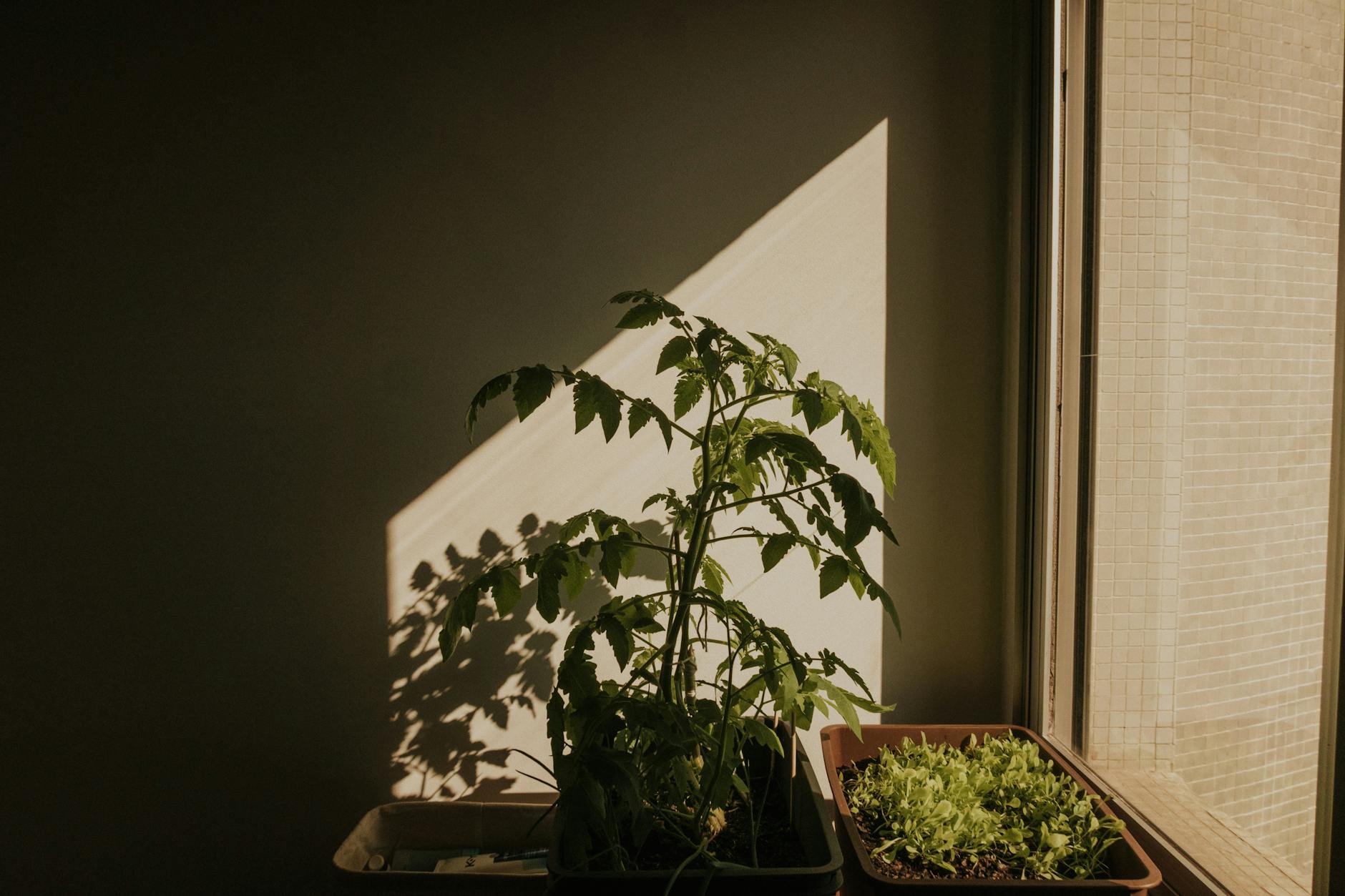
Optimizing Light Exposure Through Strategic Placement
When cultivating a diverse collection of plants within finite urban spaces, managing light exposure becomes a primary constraint we must engineer around. Sunlight is the fundamental energy source driving photosynthesis; therefore, understanding how different plant species react to varying light intensities and durations dictates successful cultivation in containers. We observe that plants are not monolithic entities; they possess specific photoperiodic requirements that dictate their growth patterns when confined to a pot.
The goal of strategic placement is to prevent light competition, which manifests as etiolation or stunted growth in weaker specimens. Imagine placing shade-tolerant herbs directly beneath intense midday sun, forcing them into a survival mode where photosynthetic efficiency plummets. This necessitates a systematic approach to container rotation, a practice integral to maximizing the yield from limited square footage.
The Mechanism of Light Competition
Light intensity changes dramatically throughout the day and across different microclimates within a balcony or patio setting. Direct, unfiltered sunlight can rapidly increase substrate temperature in containers, leading to water stress if the soil dries out too quickly. Conversely, areas receiving dappled shade provide a cooler environment, which some sensitive varieties require for sustained health.
We must analyze the light footprint of each plant before assigning its final position. For instance, sun-loving vegetables like tomatoes or peppers demand at least six to eight hours of direct, intense exposure daily. These plants utilize high levels of light energy to drive robust fruit production. Conversely, leafy greens such as lettuce or spinach can tolerate slightly less intensity, thriving in the bright, indirect light often found near north-facing walls or under an awning.
When implementing a container rotation strategy, we are essentially mapping these photoperiodic demands onto the available space. We assess the spatial relationship between plants to ensure that no single specimen becomes a light sink, blocking essential photons from its neighbors. This careful geometric arrangement prevents one plant from aggressively monopolizing the limited solar energy available in the immediate vicinity of its container.
Implementing Effective Container Rotation Urban Gardening
Container rotation is more than just shuffling pots around; it is an active management technique that manipulates the daily light exposure profile for every plant. We move away from static placement towards dynamic environmental control. In practice, this involves observing the sun’s path across your specific gardening area and positioning plants accordingly throughout the day.
Consider grouping plants based on their tolerance levels. Placing high-light demanding edibles adjacent to shade-tolerant ornamentals creates a beneficial spatial gradient. The intense light cast by the sun during peak hours can be strategically managed by placing taller, light-hungry specimens in positions that receive maximum exposure, while shorter or more shade-sensitive varieties are positioned to benefit from reflected light or partial shading.
This process directly impacts plant physiology. Plants adjust their stem elongation and leaf orientation in response to perceived light gradients. By rotating containers periodically—perhaps weekly or bi-weekly—you ensure that all plants receive a proportionate share of the available solar energy, preventing one group from experiencing chronic light deprivation while another experiences scorching. This rotational dynamic supports uniform growth across your entire container arrangement.
Matching Plant Needs with Light Profiles
Successful optimization hinges on accurate assessment of specific plant requirements before initiating any physical rearrangement. Not all plants respond identically to the same amount of light; this differentiation is critical for avoiding common cultivation errors.
For example, many flowering annuals require intense, sustained light to produce abundant blooms. If you are selecting species for your space, consulting resources on flower selection helps establish baseline needs. Understanding which flowers thrive in full sun versus partial shade informs where they should be situated within the rotation scheme. For instance, certain vibrant bloomers need maximum exposure to trigger the necessary phototropic responses for flowering initiation.
We also observe that the orientation of the container relative to the light source matters immensely. A pot placed on a south-facing balcony will receive significantly more intense, direct radiation than one nestled against an east-facing wall. This spatial factor must be factored into your rotation plan.
If you are focusing on flowering plants, understanding these needs is paramount. Reviewing guides on flower selection can provide the necessary baseline data for determining appropriate light exposure within your container arrangement. When planning what to grow in a specific spot, matching the plant’s inherent need with the environmental reality of that location establishes a solid foundation for success.
Managing Light Intensity and Heat Accumulation
A significant secondary effect of concentrating light is increased thermal load within the potting medium. Soil acts as an insulator, and when exposed to intense solar radiation, it absorbs heat rapidly. This elevated temperature can exceed the root zone’s tolerance, leading to water stress even if the soil appears moist on the surface.
This heat accumulation is a major consideration in urban container gardening. If you place several high-light demanding containers adjacent to one another, the combined effect elevates the ambient temperature around those pots significantly during peak sun hours. This thermal imbalance stresses the roots, hindering nutrient uptake and transpiration efficiency.
To mitigate this, we must employ physical separation when necessary. Creating a buffer zone between intensely sun-exposed plants and others allows for better heat dissipation into the surrounding air. This spatial distancing supports the principle of container rotation by creating distinct microclimates within the larger garden structure.
When assessing the need for supplemental care, understanding light exposure helps predict potential issues. Plants suffering from excessive heat often exhibit signs of wilting or stunted growth, signaling that the root system cannot effectively manage the thermal stress imposed by concentrated light.
Integrating Soil Health and Nutrient Delivery
The physical arrangement of containers must be paired with an understanding of how nutrients are delivered to support the plants’ light-driven growth. Proper soil health dictates the plant’s ability to utilize the energy it captures from the sunlight you are trying to optimize.
We see a strong correlation between healthy root systems and efficient light utilization. Plants with robust, well-aerated roots can efficiently absorb water and minerals, allowing them to maximize their photosynthetic potential regardless of minor light variations. Therefore, maintaining excellent soil quality is inseparable from managing light exposure in container gardening.
When you focus on providing rich substrate, such as incorporating organic matter, you are establishing a foundation where plants can better manage environmental fluctuations. For instance, feeding the system with beneficial microbial inputs supports the plant’s metabolic processes that are directly stimulated by light energy. Utilizing methods like DIY Vermicompost Tea provides these necessary biological inputs to enhance overall vigor when growth is being pushed by intense sunlight.
This holistic approach—managing light geometry, controlling thermal load, and ensuring nutrient availability—transforms container gardening from simple placement into sophisticated environmental engineering. The strategic execution of container rotation ensures that every plant in your small urban garden has the optimized conditions required for vigorous development.
Tags: urban gardening, container gardening, sunlight management, container arrangement, small space gardening, gardening tips, container rotation
Featured Image by Letícia Alvares on Pexels.