
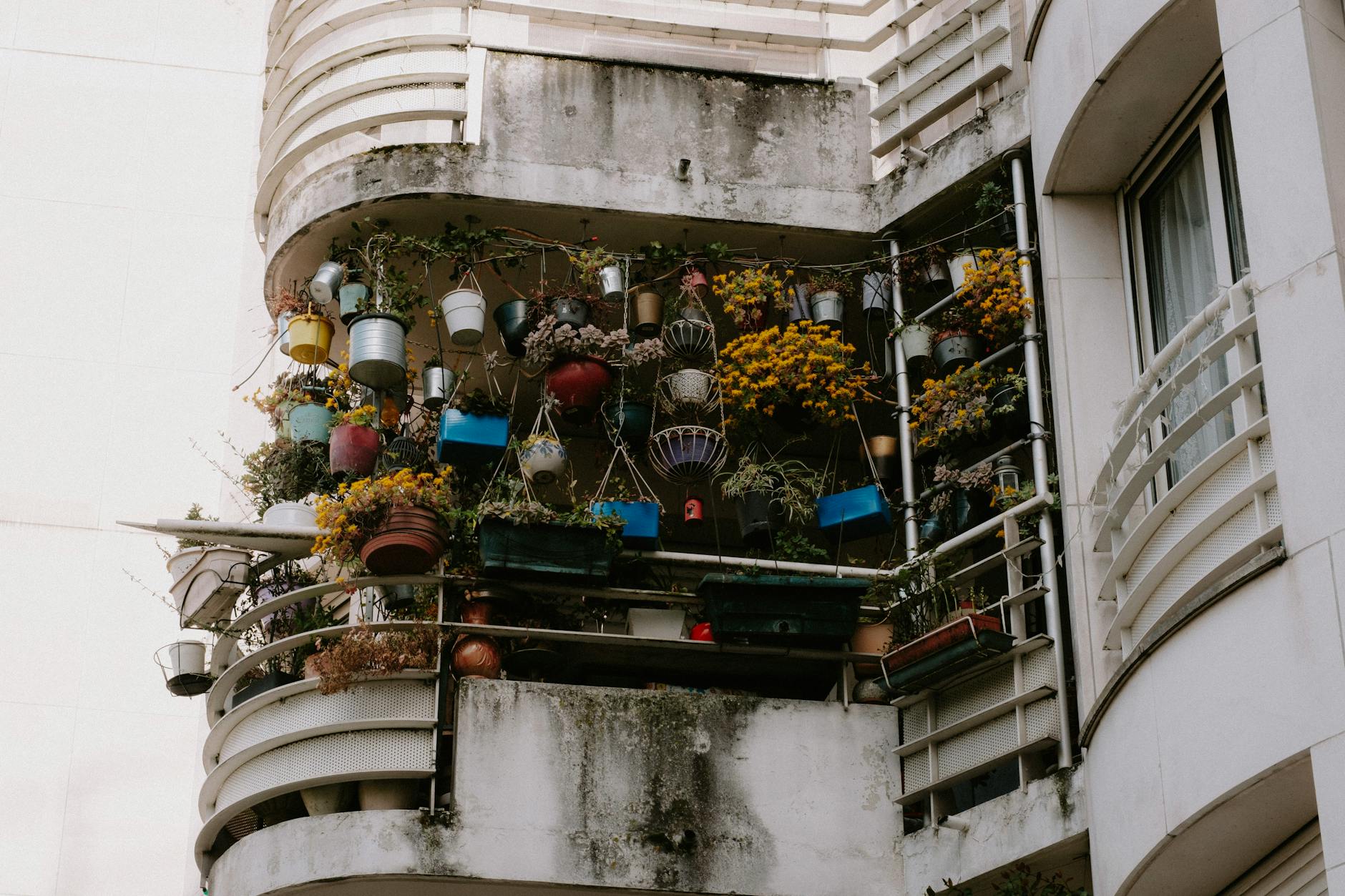
Reclaiming Vertical Real Estate for Botanical Abundance
The constraint of limited horizontal space is a fundamental reality for most urban dwellers. We observe this spatial limitation daily when attempting to cultivate vibrant flora in city environments. However, this physical restriction should not dictate the potential for lush, flowering displays. The solution lies in shifting cultivation strategy; we must exploit the vertical plane. Vertical gardening fundamentally restructures how we engage with our limited footprints, transforming neglected walls and railings into productive ecosystems capable of supporting extensive floral growth. This approach is not merely aesthetic; it is a highly efficient mechanism for maximizing plant density where traditional ground-level planting fails to compete effectively.
The Mechanics of Vertical Cultivation Systems
Implementing vertical gardening requires an understanding of structural support and water management, principles that mirror any successful horticultural endeavor. We move beyond simple container placement when we consider climbing plants or cascading blooms across a surface. Trellises, for instance, are not just decorative frameworks; they provide the necessary physical scaffolding that allows vines to distribute their weight and roots to anchor securely against the structure while accessing maximum sunlight exposure. The structural integrity of the chosen system directly correlates with the health and longevity of the flowering plants we intend to grow upon it.
Wall pockets and pallet gardens represent another viable strategy, offering a more contained yet still elevated growing surface. These systems demand careful consideration of substrate depth and drainage capabilities. If the potting medium retains excessive moisture, fungal pathogens proliferate rapidly, creating an immediate threat to the cultivated specimens. Therefore, understanding soil composition and drainage capacity becomes as critical as selecting the appropriate plant variety itself when engaging in this vertical endeavor. Consider how you manage water; a poorly draining system will quickly lead to root rot, negating all the effort invested in planning the flower display.
Selecting Optimal Structures for Flowering Plants
The choice of vertical structure dictates the type of flowering plants that can thrive successfully within the setup. Some systems favor climbing habits, while others accommodate trailing or cascading varieties. For example, dense netting or wire grids are excellent for supporting vigorous climbers like clematis or climbing roses, allowing them to utilize the entire surface area for aerial root development and subsequent bloom production. Conversely, pockets and shelves are ideal for bedding plants where the growth habit is more compact and self-contained.
We must analyze the light exposure too. Sunlight intensity varies dramatically across different facades in an urban setting; some walls receive intense, direct midday sun, while others experience dappled shade throughout the day. This differential lighting necessitates strategic placement of flowering plants on vertical structures. Plants requiring full sun should occupy the most exposed sections, ensuring adequate photosynthetic activity necessary for producing abundant blooms rather than sparse foliage.
Integrating Planting Strategies with Indoor Cultivation Knowledge
The principles applied to outdoor vertical gardening translate directly into successful indoor cultivation when managing smaller-scale projects or planning seed acquisition. The principle of maximizing space efficiency remains constant regardless of the growing medium—whether it is soil in a wall pocket or specialized media in a hanging planter. When starting seeds indoors, understanding nutrient delivery and root space becomes paramount, which parallels how we manage vertical systems. Observing the needs of your plants dictates the success of their growth cycle, whether they are supported by a trellis outdoors or a windowsill indoors.
For those beginning their journey into urban cultivation, establishing a solid foundation in seed management is crucial before scaling up to complex vertical arrangements. Understanding germination rates and seedling development prepares you for the challenges inherent in any growing environment. Learning how to nurture young plants, perhaps starting with indoor seeds, builds the necessary observational skills required to diagnose issues when dealing with established vertical systems outside.
Water and Nutrient Dynamics in Vertical Systems
Water delivery is a persistent challenge in vertically oriented gardens. Gravity assists drainage somewhat, but improper layering of materials can lead to standing water, creating an anaerobic environment detrimental to root health. We must engineer the system for efficient water flow from the top down or from an external source feeding the structure effectively. Implementing self-watering systems or ensuring adequate substrate moisture retention without saturation requires a calculated approach.
Nutrient uptake also changes based on the plant’s density and exposure. Plants growing closely packed against a support system can exhibit faster nutrient depletion rates than those in spacious container settings. This implies that fertilization protocols must be adjusted to account for the specific demands of dense vertical planting. Applying balanced, slow-release fertilizers ensures that the energy allocated is directed towards flowering and robust stem development rather than simply managing immediate hydration stress.
Achieving Spectacular Vertical Flower Displays
The ultimate objective of employing vertical gardening flowers is achieving visual impact while maintaining horticultural health. We aim for a cascade effect where color flows naturally from one level to the next, creating an immersive botanical spectacle against the urban backdrop. Utilizing a mix of flowering species with varying growth habits—some scrambling, some trailing, and some upright—introduces dynamic texture to the vertical plane. This intentional layering prevents monotonous block colors and enhances the perception of lush abundance.
Consider the choice between annuals and perennials for these structures. Annuals offer rapid, intense bursts of color suitable for seasonal urban refreshers, whereas perennials require a longer-term commitment but establish a more enduring, complex ecosystem over multiple growing seasons. The interplay between the structural support, the chosen soil mix, consistent hydration, and species selection determines the final aesthetic outcome; these variables must be managed with expert attention. Mastering these interactions transforms a simple architectural feature into a living, breathing botanical masterpiece for any small urban space.
Tags: vertical gardening, urban gardening, flower display, small space gardening, vertical gardens, balcony gardening, container gardening
Featured Image by Mathias Reding on Pexels.