
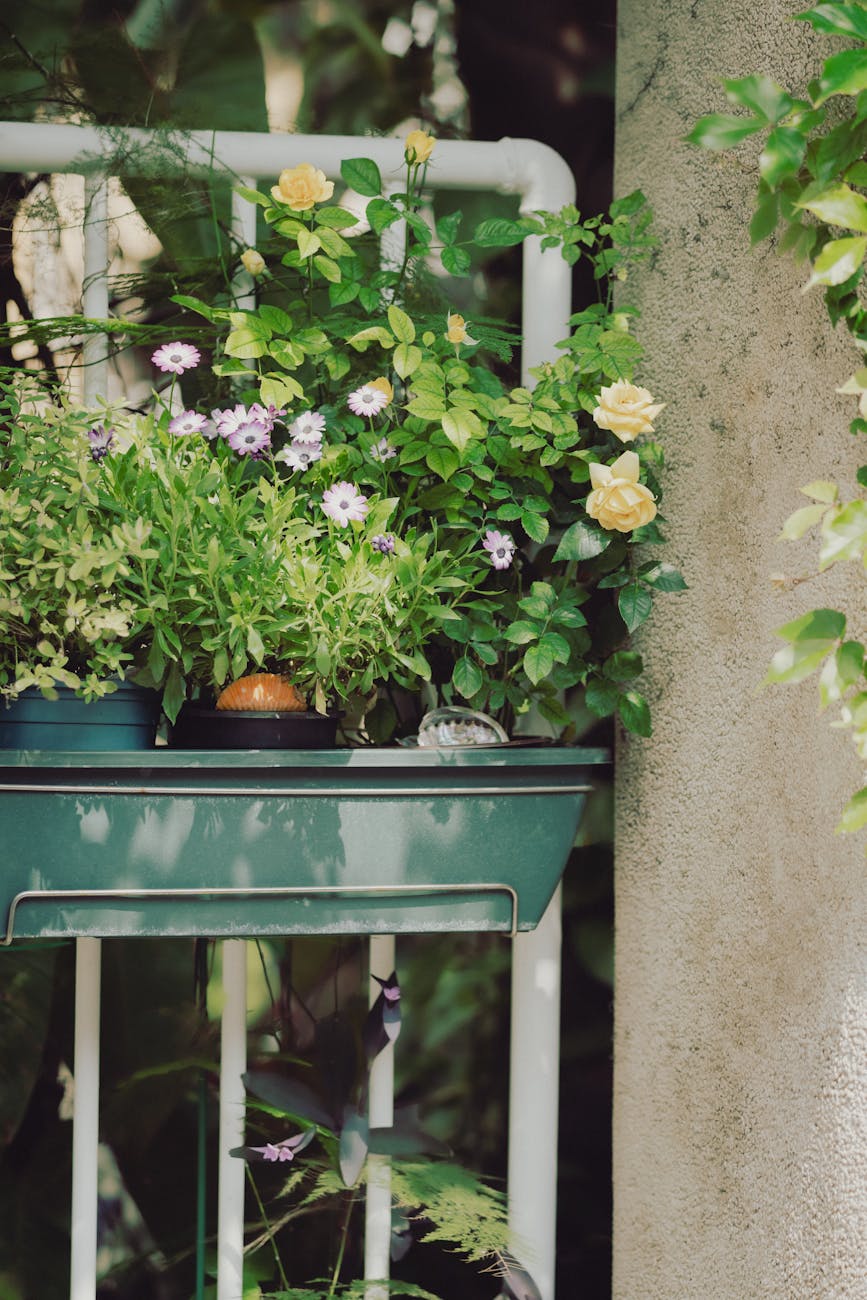
Optimizing Limited Real Estate with Vertical Gardening Systems
The constraint of small urban spaces is a fundamental challenge for city dwellers seeking access to fresh produce. We observe that traditional, ground-level gardening methods often fail when square footage is severely restricted. This spatial limitation mandates a shift in horticultural strategy toward vertical integration. Vertical gardening systems address this by reallocating the growing plane from horizontal surface area to vertical surfaces, effectively multiplying potential cultivation sites within a confined footprint. This mechanism allows for maximizing photosynthetic surface area per square meter of floor space.
We analyze how these systems function. They introduce multi-tiered structures that exploit unused wall space, balconies, or even freestanding architectural elements. The physical structure dictates the flow of water and nutrient delivery, demanding precise engineering regarding substrate depth and drainage capacity. A successful vertical setup is not merely stacking pots; it involves managing hydrostatic pressure and ensuring adequate root aeration across all tiers.
Deconstructing the Mechanics of Vertical Systems
The efficacy of any vertical gardening system hinges on understanding material science and hydrological principles. We are moving beyond simple container placement toward integrated ecological systems. Consider the structural integrity required for these setups. Materials must withstand constant moisture fluctuations, thermal expansion, and the weight of saturated soil and water. Reclaimed materials often present unique opportunities here; pallet wood or repurposed piping, when treated correctly, offer robust structural bases for our growing modules.
The substrate selection becomes critically important at this scale. Because root systems are confined to shallower media than in traditional bed gardening, nutrient delivery must be managed with acute precision. We find that using a light, well-draining mix is essential to prevent waterlogging, which causes anaerobic conditions detrimental to root respiration. When selecting growing media, the ratio of organic matter to inorganic aeration components dictates how quickly water moves through the system and how efficiently roots absorb necessary minerals.
Selecting Appropriate Structures for Urban Environments
The choice of vertical system must align with the specific architectural constraints of the urban setting. A balcony setup requires systems that can be securely affixed without compromising the building structure, often necessitating lightweight yet strong frameworks. For instance, hanging pocket systems or tiered shelving units allow for modular expansion based on the available wall space dimensions. We examine how different structural choices impact water management; a system where water runs down from one level to the next must incorporate internal reservoirs or carefully managed runoff channels to prevent cascading saturation onto adjacent surfaces.
Container Gardening for City Dwellers: Pots, Soil & Drainage Guide (https://twigharbor.com/container-gardening-pots-soil-drainage-7/) provides a foundational understanding of substrate dynamics. Applying that knowledge to vertical setups means ensuring every level has independent, properly draining soil profiles. We see that poor drainage at the bottom tier inevitably impacts the health of the upper tiers through root competition and moisture migration.
Implementing Efficient Water and Nutrient Delivery
Managing irrigation within a multi-tiered configuration introduces complexity regarding water distribution. Gravity assists in some aspects, but precise control over water supply remains necessary for optimal plant health across the entire vertical expanse. We must design systems that facilitate efficient delivery without requiring constant manual intervention at every level. Drip irrigation channels integrated into the framework allow water to be delivered directly to the root zones, minimizing waste and ensuring targeted hydration.
The flow dynamics change significantly when moving vertically. Water accumulates differently depending on the system’s geometry. We observe that utilizing recirculating systems, where water is captured from the uppermost tier and redistributed downwards, creates a closed-loop efficiency. This reduces overall water consumption substantially compared to top-down manual watering methods. Analyzing these feedback loops reveals how technology can enhance resource management in small spaces.
Cultivating Specific Plant Profiles Vertically
The type of plant selected must be compatible with the physical constraints imposed by the vertical system itself. Not all flora tolerate the shallow root environments or the specific light exposure patterns inherent in a dense vertical arrangement. We consider sun exposure; south-facing walls offer intense, direct light ideal for fruiting vegetables, whereas north-facing surfaces demand shade-tolerant greens.
Balcony Bloom Secrets: Choosing Flowers for Container Gardening (https://twigharbor.com/balcony-bloom-flower-selection-2/) details the requirements for flowering plants in constrained environments. When designing a vertical farm, we must match the plant’s specific water and nutrient demands to the system’s capacity. Succulents or certain herbs thrive in drier conditions, while leafy greens require consistent moisture. This necessitates zoning within the vertical structure, creating microclimates tailored to the specific biological needs of each tier.
Reclaimed Materials: The Sustainability Factor
Incorporating reclaimed materials into vertical gardening systems provides an opportunity to address both spatial constraints and environmental impact simultaneously. Utilizing salvaged wood or metal piping reduces the demand for new manufactured goods. However, this necessitates a rigorous assessment of material longevity and safety. Any reclaimed component must undergo appropriate treatment to mitigate potential chemical leaching that could harm plant life or human handlers over time. Our analysis suggests prioritizing materials that are naturally resistant to decay when exposed to continuous moisture cycles.
The process requires an iterative approach. We prototype the framework, test the substrate performance across different material combinations, and then adjust the irrigation mechanics based on observed water retention rates. This hands-on experimentation moves the project from a theoretical concept to a functional, living system. The resulting structure becomes a tangible demonstration of how ingenuity can overcome spatial limitations in dense urban settings.
Tags: vertical gardening, urban gardening, DIY gardening, small space gardening, vertical gardens, container gardening, apartment gardening
Featured Image by Matthew Jesús on Pexels.