
Understanding the Ecosystem: Why Pest Identification Matters in Your Garden
Gardening is a rewarding pursuit, offering the satisfaction of nurturing plants and harvesting fresh produce. However, this process is not always a smooth journey; sometimes, unwelcome visitors arrive in the form of pests. Successfully managing your garden hinges on understanding what you are dealing with. Knowing the difference between a beneficial insect and a destructive pest is the crucial first step toward effective, sustainable pest control. This guide will equip you with the knowledge necessary for accurate pest identification garden management, allowing you to adopt natural methods that protect your plants while supporting a healthy local ecosystem.
The Delicate Balance: Beneficial Insects vs. Garden Pests
The foundation of organic gardening lies in fostering a balanced environment where beneficial insects thrive alongside the pests they consume. A healthy garden is an interconnected system, and understanding this dynamic is key to avoiding the need for harsh chemical interventions.
Recognizing Beneficial Insects
Beneficial insects are nature’s unsung heroes. They play vital roles in controlling pest populations, pollinating flowers, and maintaining overall plant health. When you see these insects, your instinct should be to leave them alone, or even encourage them!
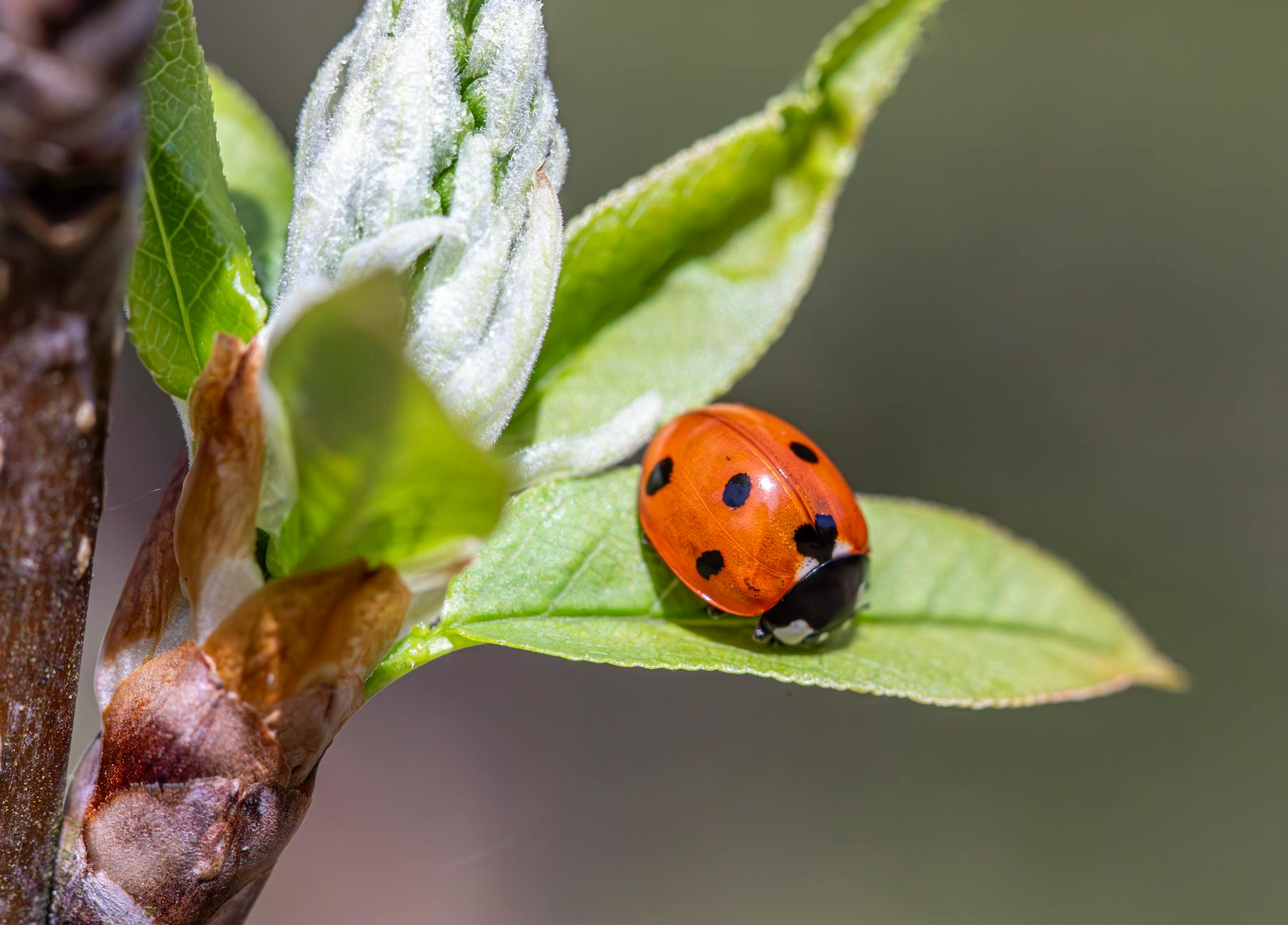
- Ladybugs (Ladybirds): These are voracious predators, especially effective against soft-bodied pests like aphids, scale insects, and mites. They are a cornerstone of natural pest control.
- Praying Mantises: While they eat insects, they are generally not a threat to garden plants and help keep populations in check.
- Parasitic Wasps (e.g., Braconid Wasps): These wasps lay their eggs inside pest insects, leading to the death of the pest, making them incredibly valuable biological controls.
- Lacewings: Their larvae are excellent predators of many small garden pests. They feed voraciously on aphids and spider mites.
- Hoverflies: Many species of hoverflies are beneficial, as their larvae consume aphids and other soft-bodied pests.
Identifying Common Garden Pests
Conversely, garden pests are the unwelcome guests that can rapidly damage foliage, fruit, and stems. Accurate pest identification garden is essential to knowing when intervention is truly necessary.
- Aphids: These tiny, pear-shaped insects cluster on new growth and suck the sap, causing stunted, discolored, or curled leaves. They are a major target for beneficial insects but can cause significant damage if left unchecked.
- Caterpillars (Larvae): The larvae of moths and butterflies are notorious eaters. Common culprits like cabbage loopers, tomato hornworms, and flea beetles chew holes in leaves and consume foliage rapidly.
- Snails and Slugs: These mollusks graze on tender leaves, stems, and fruits, often leaving behind silvery trails or ragged holes. They thrive in damp, shady garden areas.
- Whiteflies: These are extremely small, white, and often found clustered on the undersides of leaves. They feed by sucking plant sap and can cause significant stress to plants.
- Beetles (e.g., Colorado Potato Beetles): Various types of beetles bore into stems or chew holes in leaves, damaging the structure of the plants.
Step-by-Step Guide for Accurate Pest Identification Garden
Accurate pest identification garden relies on careful observation and systematic investigation. Don’t jump to conclusions; take the time to observe the symptoms and the insects themselves.
Observing Symptoms on Your Plants
Before you even look closely at an insect, examine the plant itself. Symptoms often provide the first clue to what is happening in your garden ecosystem.
- Leaf Damage: Are there chewed edges, holes, or wilting patches? This points toward chewing insects (caterpillars, beetles) or sap-sucking insects (aphids, whiteflies).
- Discoloration: Yellowing leaves (chlorosis) can signal nutrient deficiencies, but sometimes it is a sign of heavy pest infestation blocking sunlight.
- Foliage Texture: Is the leaf sticky or covered in a fine, dusty film? This often points toward mites or scale insects.
- Fruit/Vegetable Quality: Are berries small, misshapen, or showing signs of fungal infection alongside insect damage?
Close Examination: Identifying the Culprits
Once symptoms are noted, use magnification (even a smartphone camera can help) to examine the insects directly.
- Location Matters: Where are the pests found? Under the leaves, on stems, in crevices, or on the underside of foliage?
- Movement Patterns: Do they crawl slowly, feed actively, or move quickly when disturbed?
- Size and Shape: Use a reference guide (or simply compare them to known images) to determine if you are looking at an aphid, a small beetle, or a larger moth larva.
Natural Pest Management Strategies Based on Identification
Once you have successfully completed your pest identification garden assessment, you can implement targeted, eco-friendly solutions. The goal is to use the least toxic intervention possible while maximizing the benefit of your natural allies.
Encouraging Beneficial Predators
If you identify beneficial insects, your strategy should be supportive:
- Avoid Pesticides: Absolutely refrain from using broad-spectrum insecticides, as these will kill the helpful predators alongside the pests.
- Provide Habitat: Plant flowering herbs and native flowers that provide nectar and pollen sources for beneficial insects. For instance, planting dill, fennel, or yarrow can attract beneficial predatory wasps and hoverflies.
- Water Wisely: Ensure your garden has a source of fresh water, as this supports the entire insect community.
Managing Pest Infestations Directly
For pest outbreaks, targeted action is more effective than blanket spraying:
- Manual Removal: For larger pests like caterpillars or slugs, physical removal (picking them off or trapping them at night) is often the quickest solution.
- Horticultural Oils and Soaps: For soft-bodied pests like aphids, a gentle application of insecticidal soap or horticultural oil can smother the insects without harming beneficials if applied correctly (targeting the pest directly).
- Creating Barriers: Use row covers or fine mesh netting to physically exclude larger pests, such as cabbage moths, from reaching susceptible plants.
Integrating Pest Control into Garden Design
A proactive approach involves designing your garden to naturally deter pests before they become a major problem. This is where thoughtful layout connects directly to effective pest management.
Companion Planting for Pest Deterrence
Certain plants act as natural repellents or attractants for beneficial insects, creating a layered defense system.
- Strong Aromatics: Plants with strong scents, such as basil, mint, rosemary, and marigolds, can help confuse or repel some pests.
- Repellent Plants: Certain strong-smelling herbs are excellent for creating natural barriers against general garden pests.
- Attracting Predators: As mentioned, planting diverse flowers ensures a continuous food source that supports the beneficial insect populations necessary for long-term control.
Optimizing Space and Water Management
How you manage your space directly impacts pest pressure. For those looking to maximize space efficiency while growing edibles, methods like container gardening can be highly effective, provided the environment is managed correctly. For example, when utilizing Container Gardening for Small Spaces: Maximize Yields on Balconies, ensuring good drainage and adequate feeding will create a healthier microclimate less susceptible to severe pest outbreaks. Similarly, for indoor environments or vertical setups, understanding water and nutrient balance is key; exploring methods like Hydroponics for Apartments: Beginner’s Guide to Indoor Vertical Gardens demonstrates how controlled environments can reduce external pest pressures while maximizing growth potential.
Conclusion: Becoming a Garden Detective
Mastering the art of pest identification garden transforms you from a passive gardener into an active ecosystem manager. By taking the time to observe, learn the differences between helpful allies and harmful invaders, you gain the authority to make informed decisions. Embrace the natural world of your garden. Start small, observe closely, and let the wisdom of nature guide your path toward a healthier, more abundant harvest.
Tags: pest identification, garden pests, beneficial insects, natural pest control, gardening tips, insect identification, organic gardening
Featured Image by Erik Karits on Pexels.