
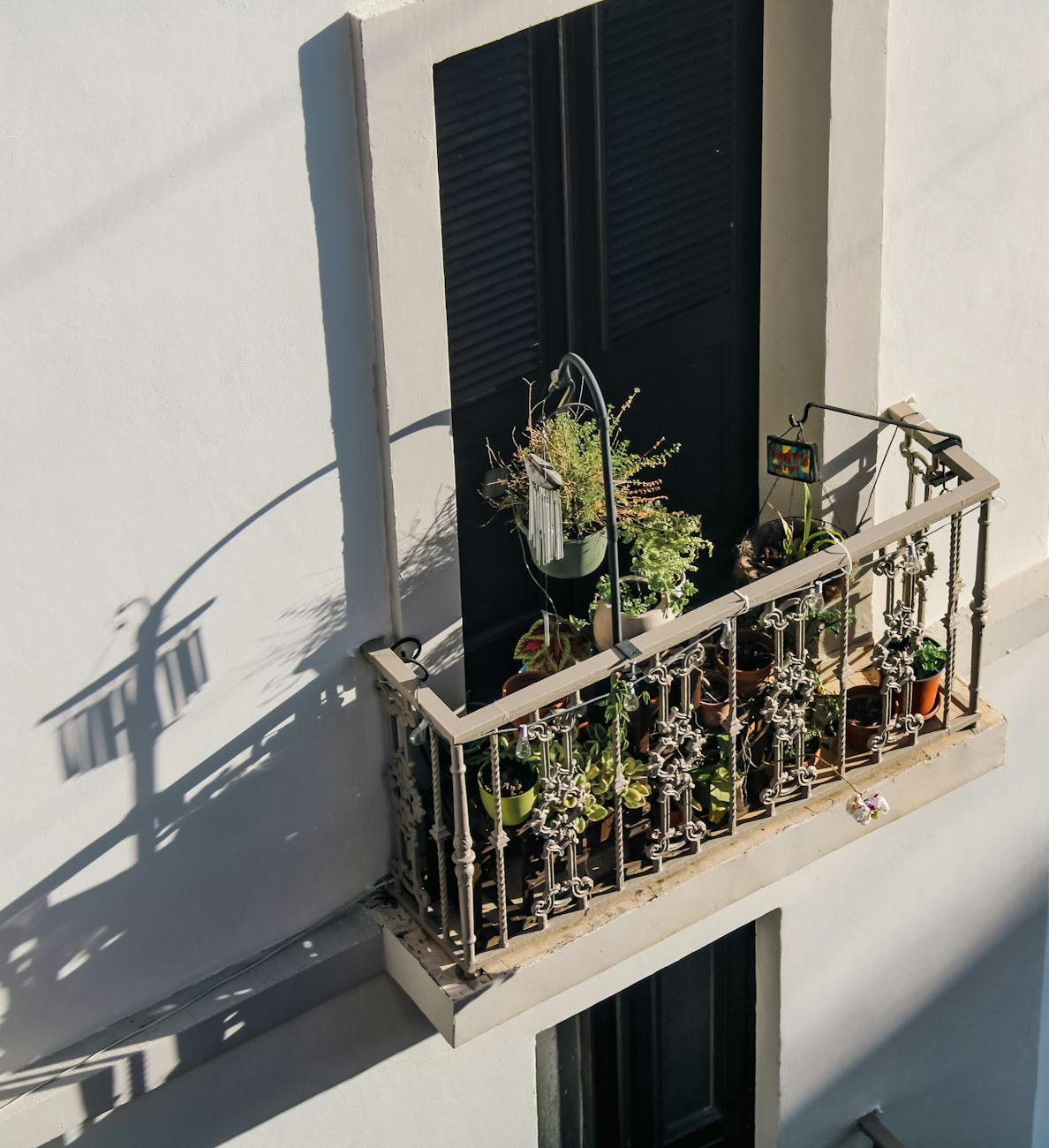
Maximizing Microclimates: Choosing the Right Container Material
When you are working with limited space on a balcony or small urban patio, the material you choose for your planter matters just as much as the plants themselves. It dictates water retention, temperature regulation, and overall longevity. Forget thinking of it as just a decorative item. Think of it as an extension of your growing environment.
The most common materials seen in window boxes—wood, plastic, metal—each possess distinct thermal properties. Wood, for instance, breathes with the moisture cycle. It warms up slowly in the sun, which can be beneficial during cooler mornings, but it also risks rapid dehydration if not managed correctly. Plastic offers excellent water resistance; this is a definite advantage when dealing with unpredictable city rainfall or intense midday sun. Metal, particularly aluminum or galvanized steel, excels at heat dissipation, meaning they can become scorching hot in direct summer light, potentially cooking the roots of delicate herbs.
Understanding these material interactions is key to successful gardening. You are establishing a physical system that will interact with the elements constantly. A poorly chosen material creates internal microclimates that stress your plants long before you even consider watering schedules. This is why a thoughtful window box planter guide must begin with this foundational assessment.
Assessing Weight and Load-Bearing Capacity
Before diving into aesthetics, you need to perform an immediate structural check. Balconies are not always built to handle the weight of saturated soil, water, and heavy plant matter. Always determine the maximum load capacity before purchasing any container. A lightweight plastic box might seem appealing, but if it’s placed on an older balcony structure, the risk of sagging or failure is real.
Examine the support system beneath where you intend to place the planter. Look for visible beams or railings that offer robust support. If you are using railing planters, check how the mounting hardware attaches to the railing itself. Weak attachments lead to inevitable failure when plants become heavy with water. This step moves the decision from an aesthetic choice to a safety and sustainability consideration.
Material Deep Dive: Wood vs. Plastic vs. Metal for Urban Gardening
The longevity of your investment depends heavily on matching the container type to the environmental pressures of the urban setting. Each material presents unique challenges related to moisture, temperature fluctuation, and root health.
Wooden Planters: The Organic Choice
Wood possesses a wonderful, natural aesthetic that connects beautifully with the rustic charm many city dwellers seek. However, wood demands respect. It is highly susceptible to rot if constantly exposed to persistent dampness or direct, intense UV radiation without proper sealing treatments. Furthermore, wood’s porosity means it absorbs and releases moisture rapidly; this fluctuation can confuse roots seeking stable conditions.
If you opt for wood, ensure you use naturally resistant species, and always apply a high-quality, exterior-grade sealant before planting. Think of the process as an ongoing maintenance cycle. You must actively manage the moisture within the wooden walls to prevent decay. For those focusing on edible growth, ensuring the potting mix allows for good aeration is crucial. Consider how your substrate interacts with the wood surface; some gardeners find that using a barrier layer helps mitigate long-term moisture damage.
Plastic Planters: Durability and Water Management
Plastic containers offer superior resistance to moisture intrusion and are incredibly lightweight. This makes them excellent for balconies where weight distribution might be a concern, or where you anticipate frequent exposure to rain or heavy watering sessions. The downside is that plastic can sometimes trap heat when exposed to intense summer sun, potentially creating a thermal barrier around the roots.
The advantage lies in control. Plastic allows you complete mastery over the growing medium inside. Since plastic does not naturally degrade from moisture damage like untreated wood, it offers long-term stability, provided the initial material quality is sound. When selecting plastic, look for UV stabilizers to ensure the material resists degradation from prolonged sun exposure common in high-altitude or intensely sunny urban environments.
Metal Containers: Heat Dynamics and Drainage
Metal planters—whether simple wire mesh or solid aluminum boxes—offer a starkly different experience. Metals excel at shedding excess heat quickly, which can be a benefit during peak summer heat waves compared to dark-colored materials. However, the thermal shock is significant. A metal planter placed directly in scorching afternoon sun will rapidly elevate the temperature of the soil, potentially leading to root burn if not mitigated by adding thick layers of insulation material inside the box.
Drainage is also paramount with metal. Ensure that any drainage holes or gaps are sufficiently large to prevent waterlogging. If using metal, consider the possibility of using a non-reactive potting mix to prevent any potential chemical leaching into the soil over time. This requires careful consideration alongside your efforts on Balancing Urban Soil pH: Natural Amendments for City Gardens.
Designing for Success: Selecting Dimensions and Depth
The material is only one facet of this decision. The physical dimensions of the window box directly influence what you can grow effectively. Small balcony spaces necessitate a strategic approach to depth versus width.
Depth Determines Root Space
A common mistake is focusing solely on surface area. When dealing with container gardening in confined urban settings, root development dictates success more than visual appeal. Deeper containers allow roots to explore further and develop stronger anchoring systems within the medium. Shallow boxes encourage surface-level growth, which results in weak, spindly plants that are easily stressed by wind or drought.
For herbs or shallow-rooted vegetables, a depth of at least 6 to 8 inches is generally recommended. This volume allows for adequate water reservoir and root expansion before the container becomes critically overfilled during irrigation cycles. Think about what you plan to grow; if you aim for larger plants, allocate more vertical space to ensure robust health.
Width and Accessibility
The width of the window box dictates your planting strategy. Narrow boxes force you into linear planting patterns, which can be restrictive. Consider how you will access the plants for maintenance. If the box is too deep or too wide, reaching the center becomes difficult, leading to uneven watering and uneven nutrient distribution.
A slightly wider, shallower box might seem counterintuitive, but it allows for better root-to-soil contact across the entire surface area, promoting more even moisture uptake. When planning your layout, visualize the flow of water and light across the surface. This visual exercise becomes an integral part of your window box planter guide.
Integrating Containers into Your Urban Ecosystem
A container is not an isolated object; it is a component of your larger micro-garden system. Its placement relative to the balcony’s exposure and surrounding structures must be analyzed.
Sun Exposure Mapping
The direction your window faces—east, west, north, or south—imposes specific light patterns throughout the day. West-facing boxes will experience intense, late-afternoon heat, demanding materials that handle thermal stress well. East-facing boxes benefit from gentler morning sun. Understanding this mapping allows you to predict daily moisture loss rates and necessary watering adjustments long before you see wilting leaves.
This is where material choice becomes environmental strategy. A wooden box exposed to intense afternoon sun needs a thicker substrate layer to act as an insulating buffer against the heat transfer, whereas a metal box will require careful monitoring of soil temperature fluctuations.
Water Management Strategies for Small Spaces
Watering in confined spaces requires precision. Containers, regardless of material, dry out at different rates based on their surface area and the material’s thermal properties. Plastic boxes might dry down faster if they are exposed to strong afternoon sun compared to a shaded wooden box.
To manage this effectively, consider using self-watering techniques where possible within the planter structure or employing moisture-retentive amendments in your soil mix. When amending your soil, remember that the balance between water retention and aeration is critical for root health across all container types. Always consult resources on Balancing Urban Soil pH: Natural Amendments for City Gardens to ensure your chosen substrate supports optimal hydration regardless of the planter material underneath it.
Choosing the right window box planter is an act of engineering your small outdoor space. It involves balancing aesthetic desires with the physical realities of heat, moisture, and weight. By analyzing the thermal dynamics of wood, plastic, and metal, and by thoughtfully assessing depth and placement, you move beyond simply planting seeds. You begin constructing a thriving, resilient urban garden right on your balcony.
Tags: window box planter guide, balcony gardening, small balcony garden, container gardening, urban gardening, railing planter, balcony setup
Featured Image by Taylen Lundequam on Pexels.