
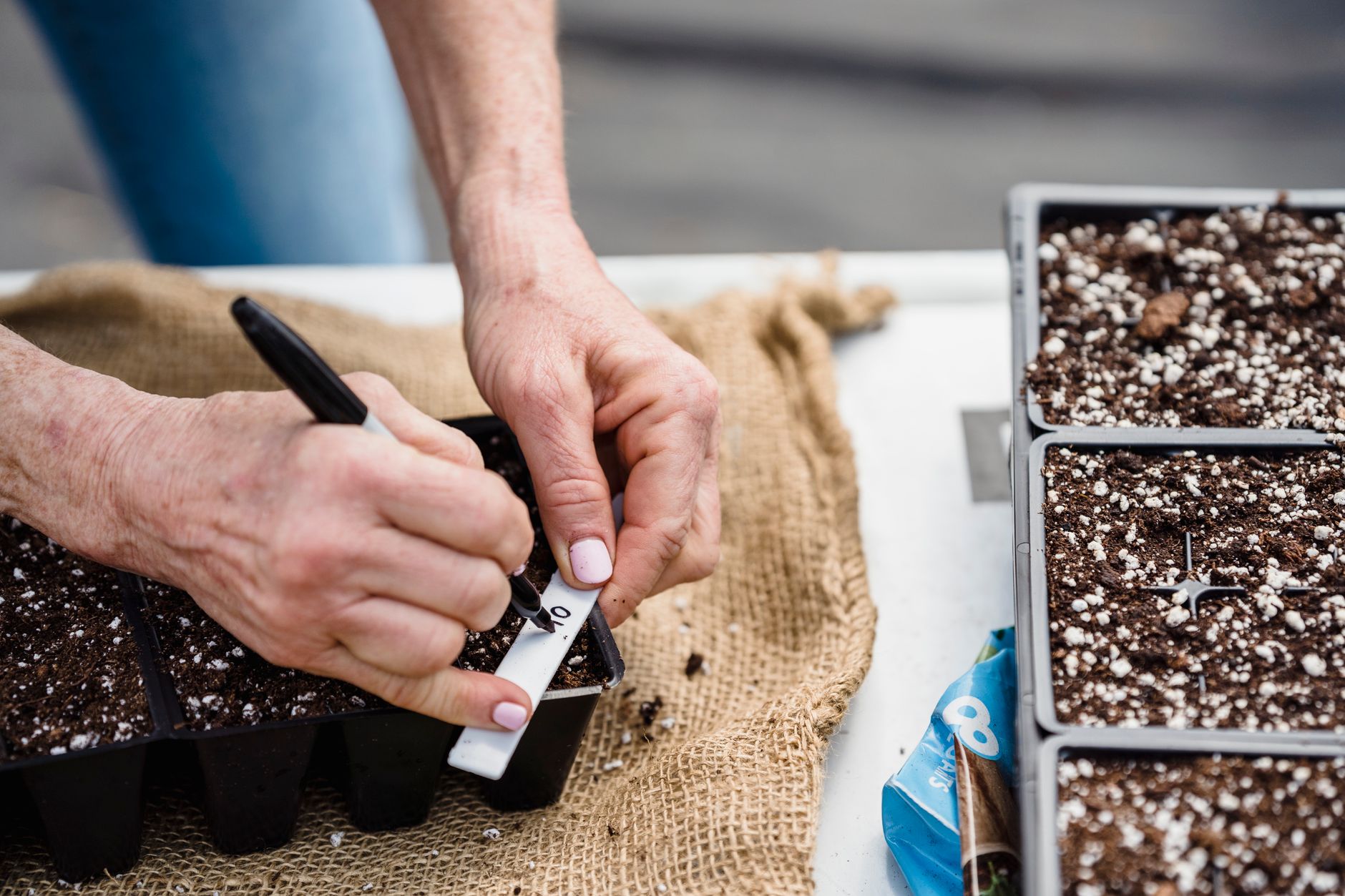
Mastering the Germination Process for Indoor Seed Starting Beginners
Starting seeds indoors is a fundamental step for anyone looking to cultivate produce outside of traditional outdoor growing seasons, especially when space constraints dictate an urban gardening approach. We observe from the data that success in this phase hinges entirely on controlling the microenvironment where the seed interacts with water and air. This process moves beyond simple planting; it becomes applied botany demanding precise management of temperature, moisture, and light exposure. Understanding these mechanisms allows us to transition from hopeful expectation to predictable germination rates.
Establishing the Optimal Seed Environment
The initial environment dictates whether a dormant seed will activate its growth potential or remain inert. Seeds require specific conditions mimicking natural soil environments to break dormancy effectively. The primary mechanism at play is imbibition—the process where the seed rapidly absorbs water, initiating metabolic activity within its tissues. If moisture levels are incorrect, this crucial first step fails immediately.
We must manage substrate choice carefully when setting up these small indoor systems. Using standard potting mix introduces variables that can lead to poor aeration or excessive water retention depending on the specific urban space you utilize. A sterile, lightweight medium allows for precise control over root development. Observing how seeds behave in different media reveals critical information about their immediate needs. For instance, some seeds require a looser, more airy matrix than others to facilitate proper cotyledon expansion.
Temperature regulation is another non-negotiable factor for successful seed starting beginners. Most common vegetables thrive when the soil temperature remains consistently warm, typically between 70 and 85 degrees Fahrenheit. Below this threshold, the rate of enzymatic activity slows significantly, delaying or halting germination. We see that inconsistent temperatures cause erratic growth patterns, making accurate forecasting nearly impossible. A stable environment supports predictable physiological responses from the developing plant.
The Role of Light Intensity and Photoperiod
Light is arguably the most critical external variable we manipulate indoors. Seeds require specific photoperiods—the duration and intensity of light exposure—to trigger the hormonal cascade necessary for germination. Insufficient light energy results in weak, spindly seedlings that are highly susceptible to stress later on. We need intense, consistent light to drive the necessary photosynthesis that fuels early growth.
The mechanism here involves the phototropic response; plants orient their growth based on light direction. In a small urban setup, positioning trays near a bright south-facing window is usually the initial strategy. However, as seedlings develop their first true leaves, light intensity must be managed with extreme care to prevent scorching. Direct, unfiltered midday sun can rapidly dehydrate delicate young roots if exposure is too intense for the initial stages. We experiment with diffused light sources or placing grow lights strategically to mimic natural spectrums.
Techniques for Successful Indoor Seed Starting Beginners
When initiating this process, several practical techniques emerge as essential operational protocols. The method you select directly impacts the success rate of your indoor seed starting beginners venture. Layering techniques offer a controlled environment that mimics outdoor conditions while eliminating external variables.
Covering seeds with moist, sterile paper towels before placing them in a sealed container utilizes the principle of maintaining high ambient humidity. This creates a microclimate where evaporation is minimized, allowing the seeds to imbibe water effectively without the risk of fungal growth on the seed coat itself. This method supports rapid and uniform initial swelling.
For advanced setups, utilizing heat mats beneath the growing trays provides an excellent mechanism for temperature stabilization. A heat mat introduces controlled thermal energy directly into the substrate, ensuring that even cooler indoor spaces maintain the requisite warmth for germination initiation. We monitor the heat output to ensure it does not create localized overheating near the seeds.
When managing propagation, consistent watering technique is paramount. The goal is to keep the substrate consistently moist, never saturated. Overwatering creates anaerobic conditions where oxygen deprivation stunts root development and encourages pathogenic colonization. We observe that allowing the top inch of soil to dry slightly between waterings establishes a feedback loop where the plant actively signals its need for water when the surrounding medium reaches a specific moisture threshold. This careful observation is crucial when planning your planting schedule, particularly when considering crops like those listed in guides such as Top 5 Easy Vegetables for Small Balconies.
Transitioning to Seedlings and Pest Management
Once the seeds have successfully germinated and developed their initial true leaves, the focus shifts from germination mechanics to seedling maintenance. This phase introduces new challenges related to nutrient uptake and environmental stress management. The transition demands a shift in our analytical focus from seed physiology to plant pathology.
Nutrient delivery becomes the next critical mechanism. Seedlings rapidly consume stored energy; therefore, they require soluble nutrients to fuel vegetative growth. A balanced, water-soluble fertilizer applied at lower concentrations than recommended for mature plants prevents chemical burn and supports delicate root development. We calculate nutrient needs based on the observed rate of leaf expansion rather than adhering strictly to a fixed schedule.
The introduction of pests is an inevitable consequence of cultivating living tissue, especially in confined indoor spaces. Small infestations of common urban pests can rapidly decimate a vulnerable crop. Identifying these threats early allows for targeted intervention before widespread damage occurs. For example, monitoring for small insects like aphids or whiteflies is a necessary daily practice. Understanding the life cycles and preferred habitats of these organisms informs our response strategy against them. Analyzing the visual cues presented by the foliage reveals the presence of stress factors that must be addressed immediately. We review detailed guides on urban pest identification and control, such as Aphids vs. Whiteflies: Urban Pest Identification & Control Guide, to implement effective, non-toxic management protocols instantly. This proactive approach minimizes intervention complexity while maximizing crop survival within the small urban garden footprint.
Tags: indoor gardening, seed starting, urban gardening, beginner gardening, indoor seeds, small space gardening, seedlings
Featured Image by Greta Hoffman on Pexels.