
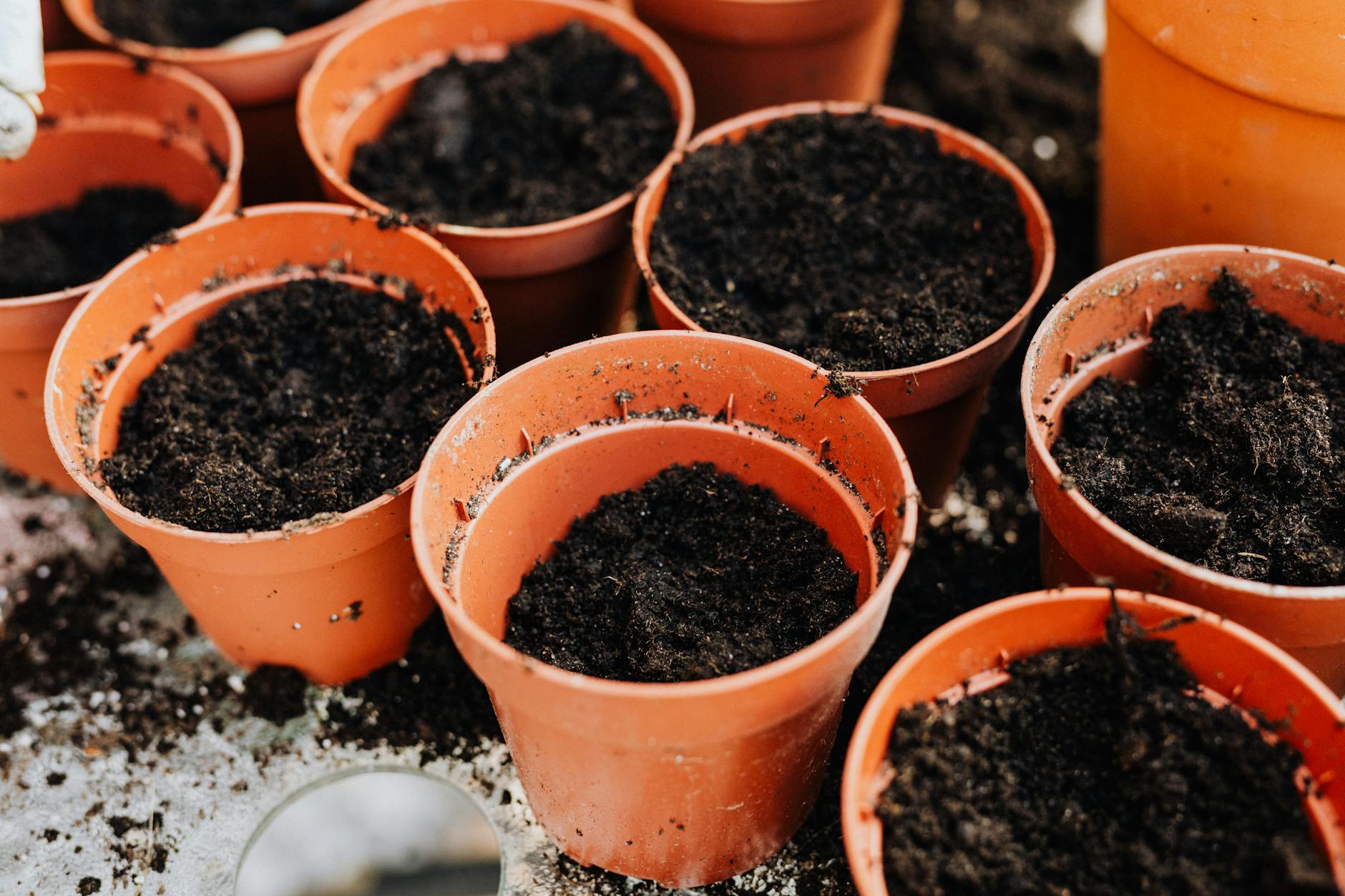
The Secret Life of Shallow Pot Soil: Mastering Nutrition for Container Success
Container gardening has exploded in popularity among city dwellers, offering a wonderful way to bring greenery and fresh produce into urban spaces, balconies, and patios. However, when you are working with shallow pots—whether they are small terracotta, plastic, or fabric containers—the quality of the growing medium becomes absolutely critical. Unlike in-ground gardens where soil structure is naturally established, container gardening demands that you become a master chemist of your potting mix. Getting the shallow container gardening soil right isn’t just about filling a pot; it’s about providing the perfect foundation for root health, nutrient uptake, and ultimately, a bumper harvest.
This guide will dive deep into the essential secrets behind creating superior potting mixes for shallow containers, ensuring your urban garden thrives despite its limited space.
Why Soil Matters More in Shallow Containers
When plants are confined to shallow pots, they have less physical buffer against changes in environment, making their reliance on the soil medium even more pronounced. The soil isn’t just a medium for holding water; it is the plant’s entire pantry and plumbing system.
Root Health: The Foundation of Yield
The roots are the primary organs responsible for absorbing water and nutrients. In shallow containers, roots are physically constrained, meaning they need an environment that supports dense, healthy, and extensive root growth without becoming waterlogged or suffocated. Poor soil leads to stunted, weak, or diseased roots that cannot effectively feed the plant above ground.
Water Retention vs. Drainage
A common mistake in container gardening is using standard garden soil directly. Garden soil is often too dense, compacts easily when wet, and doesn’t drain efficiently in a confined space, leading to waterlogging—a recipe for root rot. The ideal shallow container gardening soil must balance excellent water retention (to prevent constant watering) with superb drainage (to prevent saturation).
Nutrient Availability
Since you are not relying on the slow, natural decomposition of rich earth, every nutrient your plant needs must be supplied directly through the potting mix. A well-formulated mix ensures that essential macronutrients (Nitrogen, Phosphorus, Potassium) and micronutrients are immediately available for uptake by the roots.
Deconstructing the Perfect Potting Mix Recipe
Forget buying a pre-mixed bag of “potting soil” if you want true control over your results. The best approach is to create your own custom blend based on the specific needs of your plants and your growing environment. A successful mix relies on four core components: structure, aeration, water retention, and nutrition.
Component 1: The Base Material (The Bulk)
The bulk of your mix should be composed of materials that provide good structure and prevent compaction while allowing air pockets for root respiration.
- Composted Organic Matter (e.g., Aged Compost or Worm Castings): This is the backbone, providing a slow, steady release of nutrients and organic matter. Avoid using fresh, heavy garden soil directly as it compacts too easily in pots.
- Coarse Materials for Aeration (e.g., Perlite, Pumice, or Coarse Sand): These lightweight amendments are crucial for creating air pockets within the soil. This aeration is vital because roots need oxygen to breathe and function properly, especially when the soil is constantly moist.
Component 2: The Structure Enhancers (The Medium)
These ingredients determine how well the mix holds together without becoming cement-like or overly dense.
- Coconut Coir or Peat Moss: These organic materials act as the primary water-holding agents, ensuring the soil remains moist for longer periods, which is essential in shallow containers where water evaporates quickly.
- Fine Materials (Optional): For some plants that prefer a slightly finer texture, a small amount of finely sifted coco coir can be incorporated to improve overall consistency.
Component 3: The pH Adjusters (The Chemistry)
The acidity or alkalinity of your soil dictates how well the plants can absorb the nutrients you add. Most vegetables and herbs thrive in a slightly acidic range (pH 6.0 to 7.0).
- Elemental Sulfur or Lime: Use these sparingly, based on your initial testing, to adjust the pH if necessary. For most container gardening, aiming for a neutral to slightly acidic pH is the safest starting point.
Component 4: The Nutrient Boosters (The Food)
Since you are building the soil from scratch, you must add nutrients directly to ensure immediate availability.
- Slow-Release Granular Fertilizers: Incorporate slow-release organic fertilizers into your base mix. This prevents the “fertilizer burn” that can occur when high concentrations of soluble salts are introduced too quickly into a small volume of water-retaining soil.
- Worm Castings/Compost Tea: These provide beneficial microorganisms, which enhance nutrient cycling within the pot, supporting long-term soil health.
Tailoring Your Soil for Specific Shallow Container Plants
Not all plants have the same needs. A succulent requires vastly different soil properties than a leafy green like lettuce or a root vegetable like carrots. Adjusting your shallow container gardening soil recipe based on your chosen plant is non-negotiable for success.
For Leafy Greens and Herbs (Lettuce, Basil, Mint)
These plants prefer consistently moist, well-aerated soil rich in organic matter.
- Focus: High organic content and excellent drainage.
- Mix Ratio Example: 40% Compost / 30% Coir / 30% Perlite. This mix ensures moisture is held while roots get plenty of air.
For Root Vegetables (Carrots, Radishes)
Root vegetables require loose, fluffy soil to allow roots to grow straight and penetrate easily.
- Focus: Maximum aeration and minimal compaction.
- Mix Ratio Example: 50% Compost / 35% Coir / 15% Pumice/Coarse Sand. The added coarse material prevents the fine compost from becoming too dense, allowing roots to expand freely.
For Succulents and Cacti
Succulents require soil that drains almost instantly to prevent root rot, as they store water internally and cannot tolerate perpetually wet roots.
- Focus: Extreme drainage and low organic matter.
- Mix Ratio Example: 60% Pumice/Coarse Grit / 40% Inorganic Material (e.g., Akadama or Lava Rock). Avoid heavy compost entirely, as it will hold too much moisture.
Advanced Techniques for Optimizing Shallow Container Gardening Soil
Once you have the basic recipe down, these advanced steps will elevate your container gardening experience from good to exceptional.
The Importance of Repotting and Refreshing
Even the best soil degrades over time as plants draw nutrients and organic matter out of it. In shallow containers, this depletion happens faster.
- Top-Dressing: Instead of completely replacing the soil every season (which can be wasteful), consider top-dressing established pots with a thin layer of fresh compost or worm castings every few months to replenish surface nutrients.
- Root Pruning: For dense plants, gently teasing out circling roots during repotting allows the roots to spread into the new medium, promoting better overall growth in your shallow container gardening soil.
Integrating Water Management Systems
When dealing with small spaces and shallow pots, managing water delivery is just as important as managing the soil itself. Using systems designed for tiny containers can ensure consistent moisture without overwatering or soil saturation. For example, exploring options like DIY Self-Watering Systems for Tiny Urban Containers can dramatically reduce the stress on your potting mix by regulating water delivery precisely where it is needed.
Maximizing Vertical Space
Since horizontal space in urban settings is often limited, thinking vertically allows you to maximize yield per square foot. By successfully managing your soil health in shallow pots, you create a stable base from which you can focus your energy on maximizing vertical growth, such as implementing Vertical Gardening Hacks for Balconies: Maximize Yield.
Troubleshooting Common Shallow Container Soil Issues
| Problem | Likely Cause in Soil Mix | Solution |
| :— | :— | :— |
| Poor Drainage (Water sits for days) | Too much heavy organic material (too much compost), lack of aeration. | Increase the ratio of inorganic materials like perlite or pumice to improve porosity. |
| Waterlogging/Root Rot | Soil is too dense and lacks air pockets, suffocating roots. | Immediately repot into a lighter, more porous mix; ensure excellent drainage holes are present. |
| Nutrient Deficiency (Yellowing leaves) | Nutrients were locked up or leached out quickly. | Use slow-release organic amendments and top-dress with compost regularly. |
| Compaction (Soil is hard to work) | Over-saturation, poor initial structure. | Gently fluff the soil before watering; use lighter amendments in future mixes. |
Conclusion: Growing Smarter, Not Harder
Mastering the art of creating the perfect shallow container gardening soil transforms your small urban space from a potential struggle into a thriving ecosystem. By understanding the roles of organic matter, aeration, and drainage, and tailoring your mix to your specific plant needs, you move beyond simply potting plants—you begin cultivating high-yield, resilient urban gardens. Start experimenting with custom blends today, watch your plants flourish, and enjoy the rewards of smart container gardening!
Tags: container gardening, potting media, soil amendments, urban gardening, shallow pots, plant growth, container soil
Featured Image by www.kaboompics.com on Pexels.