DIY Self-Watering Systems for Urban Containers
Tired of the daily chore of checking and refilling pots? Growing fresh herbs, vegetables, or flowers in urban containers is rewarding, but maintaining consistent moisture levels can feel like a constant battle. Fortunately, you don’t need expensive, complicated commercial systems to achieve perfect garden hydration. This guide will show you how to build simple, low-tech, DIY self-watering container garden systems using materials you likely already have on hand or can easily source.
Why Embrace Self-Watering for Urban Gardening?
Urban gardening, whether on a balcony, patio, or small yard, presents unique challenges. Containers dry out much faster than in-ground gardens, especially when exposed to city sun and wind. Implementing a self-watering container garden addresses these issues by automating the watering process, leading to healthier plants with less daily effort.
The Problems with Traditional Container Watering
Many urban gardeners face specific hurdles when using standard pots:
- Inconsistent Moisture: Overwatering leads to root rot, while underwatering causes wilting and stunted growth.
- Time Commitment: Constantly monitoring soil moisture requires frequent trips to the garden, which is inconvenient in busy city life.
- Water Waste: Manual watering often results in runoff or water evaporating before the roots can absorb it efficiently.
The Benefits of a Self-Watering Setup
By setting up a self-watering container garden, you gain several significant advantages:
- Consistent Hydration: A reservoir at the bottom ensures that the soil stays consistently moist, mimicking ideal growing conditions for most plants.
- Reduced Maintenance: Set it and forget it! You only need to refill the water reservoir periodically rather than water daily or every other day.
- Healthier Plants: Proper moisture management prevents common problems like fungal diseases and nutrient deficiencies caused by erratic watering.
- Water Conservation: Because water is delivered directly to the roots via capillary action, you minimize unnecessary water loss through evaporation.
Exploring DIY Self-Watering System Designs
The beauty of a DIY approach is the flexibility. You can adapt simple household items into highly effective irrigation systems tailored specifically for your container size and budget. Here are three popular and effective methods for creating your own self-watering container garden.
Method 1: The Sub-Irrigated Planter (Wicking System)
The wicking system is perhaps the most elegant and effective low-tech solution. It relies on capillary action to draw water from a reservoir up into the growing medium.
Materials Needed:
- Two containers of different sizes (an outer pot and an inner planter).
- An absorbent, water-retaining material, such as thick felt, nylon mesh, or an old cotton cloth.
- An absorbent wick material, like a strip of rope or thick yarn.
How to Build It:
- Prepare the Inner Pot: This is your growing container. Ensure it has adequate drainage holes at the bottom.
- Create the Reservoir: Place a small, watertight container (like an old yogurt cup or bottle) beneath the inner pot. This will serve as your water reservoir.
- Insert the Wick: Place the absorbent cloth or mesh between the bottom of the inner pot and the water reservoir. Thread a length of absorbent material (the wick) up from the water source, through the cloth, and into the soil of the planter.
- Assemble: Place the inner planter onto the reservoir base. The wick will draw water up from the reservoir, soaking the growing medium as needed.
This method is excellent for larger containers where you want a substantial root zone supported by a reliable water source.
Method 2: The Self-Watering Bottle System (Reservoir Method)
This method is ideal for smaller pots or individual herbs, utilizing simple bottles to create a localized, self-contained watering system.
Materials Needed:
- A clean, empty plastic bottle (e.g., a 1 or 2-liter soda bottle).
- A piece of fabric or screen material.
- Gardening soil and seeds/seedlings.
How to Build It:
- Prepare the Bottle: Cut the bottom off the bottle. You will use the bottle as the water reservoir.
- Create the Wick System: Thread a piece of absorbent material through the neck of the bottle. This material acts as the wick, drawing water up from the base.
- Fill and Plant: Fill the bottle with water and place it in the sun (to allow the water to warm slightly). Place your small plant or soil directly inside the bottle, ensuring the wick is submerged in the soil mixture.
- Positioning: Place the filled bottle on top of the root ball or directly next to the container. The principle here is that the soil absorbs water from the reservoir below it via capillary action.
Method 3: The Layered Container System (The Wick-and-Pot Hybrid)
This approach combines the reservoir idea with a more traditional pot structure, perfect for maximizing vertical space while ensuring moisture control.
Materials Needed:
- A large outer container (the main planter).
- Smaller pots or fabric tubes that fit inside the main container.
- Water reservoir (a tray or container).
How to Build It:
- Drainage First: Ensure your main container has excellent drainage holes.
- Layering: Place a layer of coarse material at the bottom, followed by your plant roots in their individual containers.
- Reservoir Placement: Place the water reservoir underneath or beneath these inner containers. This setup uses gravity and capillary action to ensure that any soil that dries out draws moisture from the larger, constantly supplied base.
Choosing the Right Materials for Your Self-Watering Setup
The success of your self-watering container garden depends heavily on the materials you choose. You want materials that manage moisture effectively without degrading over time.
Selecting the Growing Medium
For containers, avoid heavy, dense garden soil alone. A good potting mix is crucial for aeration and water retention:
- Potting Mix: Use a high-quality, light, well-draining potting mix designed for containers. It should retain some moisture but allow excess water to escape quickly.
- Adding Amendments: Incorporate materials like perlite or coarse sand to improve drainage and aeration, preventing the soil from becoming waterlogged—a common mistake when building any self-watering container garden.
Material Durability and Safety
When using recycled items, ensure they are safe for plant roots:
- Avoid Chemicals: Never use materials treated with harsh chemicals. Use natural fabrics (like cotton or felt) as wicks rather than synthetic materials that might break down.
- Plastic Quality: If using plastic bottles, ensure they are food-grade and free from harmful additives when used for long-term water storage.
Advanced Tips for Thriving Container Gardens
Once your system is built, a few final steps will help you maximize the success of your urban garden.
Understanding Water Needs by Plant Type
Not all plants require the same level of moisture. Adjust your reservoir management based on what you are growing:
- Succulents and Cacti: Prefer drier soil; ensure your system is designed to prevent constant saturation, as these hate wet feet.
- Leafy Greens (Lettuce, Spinach): Need consistent moisture; a self-watering system is perfect for these as they thrive with steady hydration.
- Tomatoes and Peppers: Require deep, consistent watering during fruiting periods; monitor the reservoir levels closely during hot spells.
Integrating Vertical Gardening
Urban spaces are often limited in horizontal space, making vertical solutions essential. Combining your self-watering containers with vertical gardening techniques can dramatically increase your yield. For example, you can use vertical stacking for herbs while using a self-watering container garden system for larger vegetables on the ground plane. Exploring methods like Vertical Gardening Hacks for Balconies: Maximize Yield shows how efficiently space can be utilized alongside smart watering.
Planning for Continuous Harvests
To ensure you are always getting fresh produce, think ahead about your planting schedule. Implementing Succession Planting: Maximize Your Vegetable Patch Yield Year After Year ensures that as one crop finishes, another is ready to take its place, maximizing the productivity of your container space throughout the growing season.
Conclusion: Grow Smarter, Not Harder
Building a self-watering container garden might seem like an extra step, but it transforms gardening from a daily chore into a manageable, rewarding activity. By utilizing simple wicking systems and smart material choices, you create an efficient, sustainable ecosystem right on your balcony or patio. Start small with a few pots, experiment with different DIY designs, and watch your urban garden flourish with consistent, perfect moisture levels!
Tags: urban gardening, self-watering, container gardening, diy gardening, low-tech solutions, container garden, watering systems
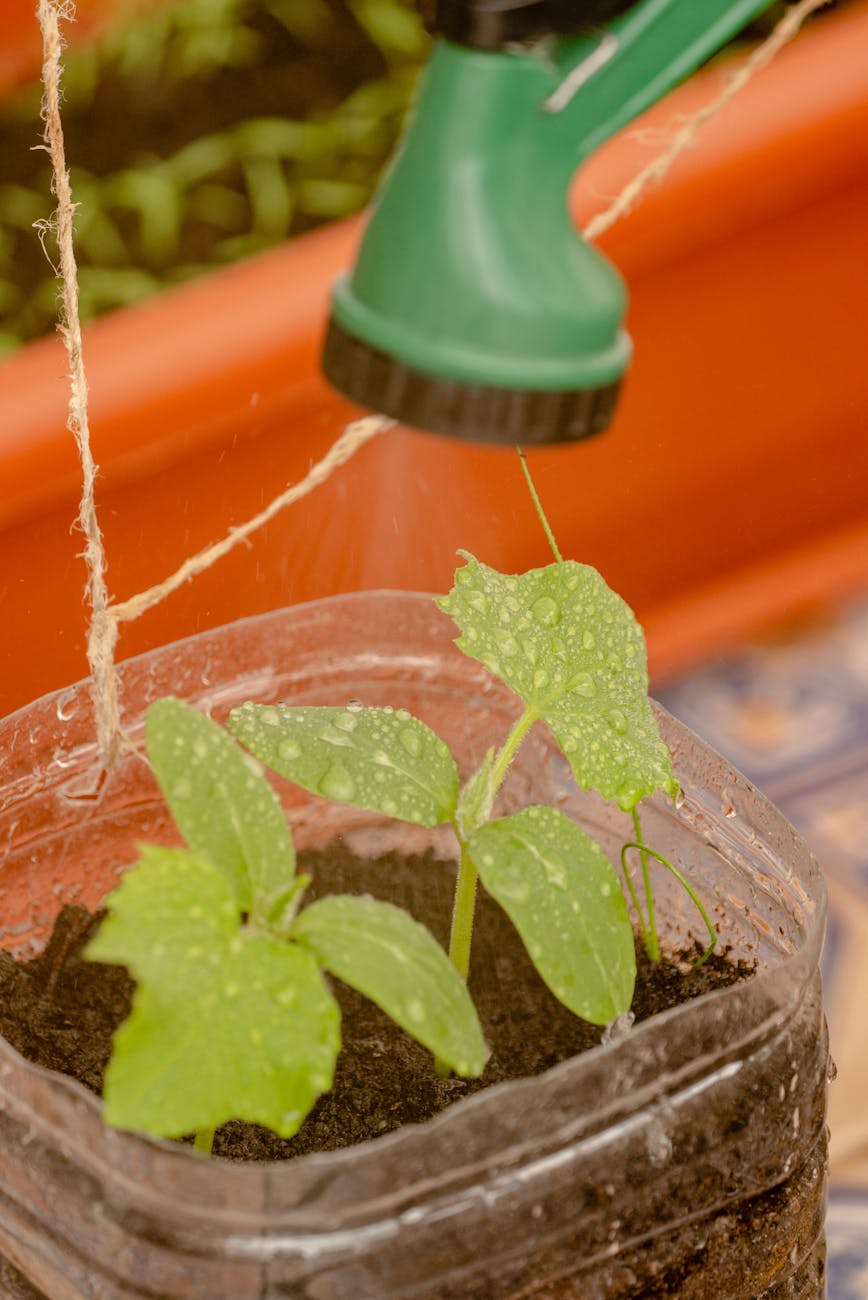
Featured Image by Atlantic Ambience on Pexels.